Location: Home > Micro-process & Surface Compliance
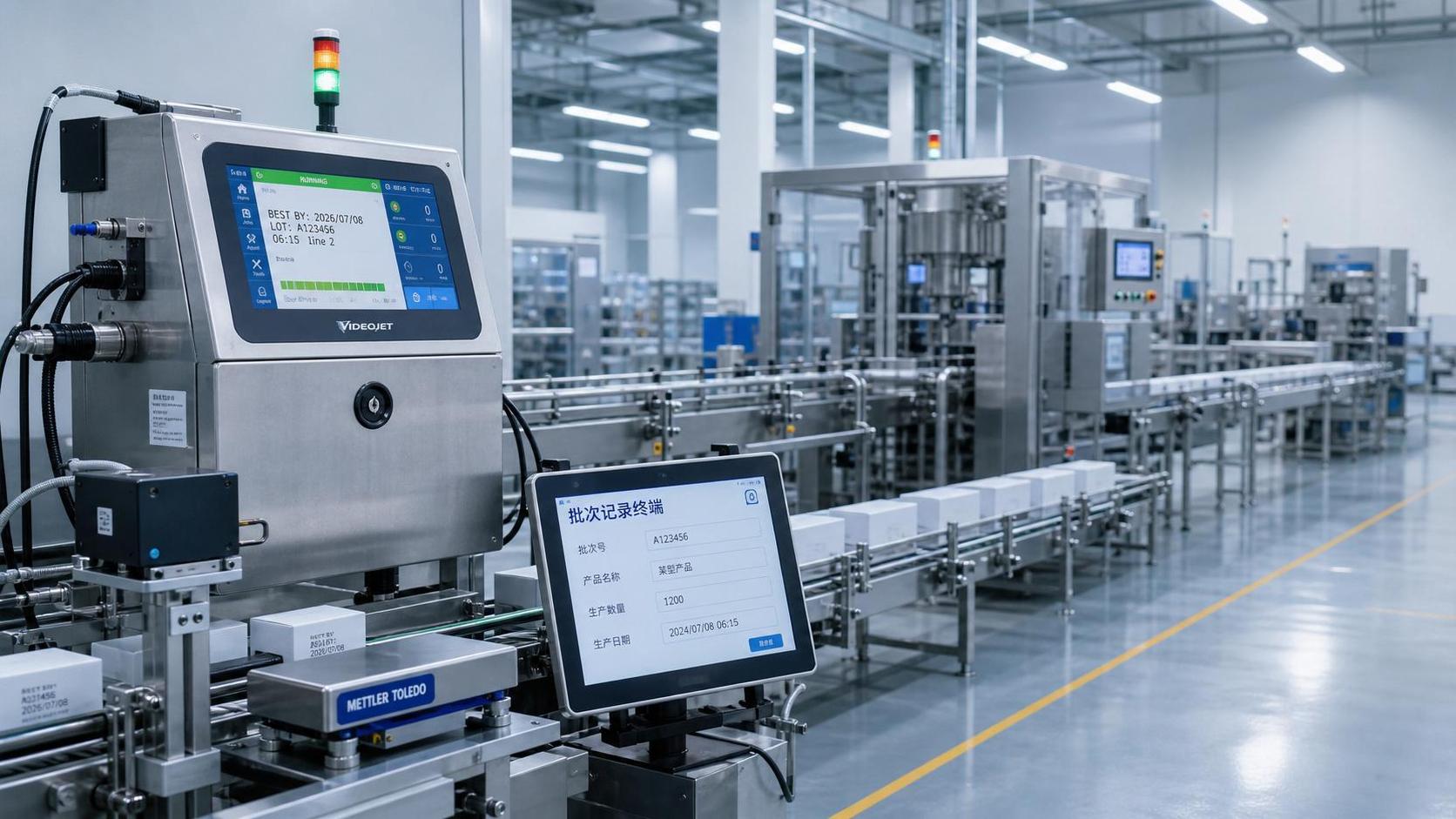
 Micro-process & Surface ComplianceManufacturing Compliance Technology: How to Meet Environmental Compliance RequirementsManufacturing Compliance Technology for environmental compliance helps manufacturers cut waste, improve traceability, and meet stricter regulations with smarter process control.Jul 13, 2026
- Micro-process & Surface ComplianceUniform Wafer Coating Explained: Key Process Factors That Affect Film ThicknessUniform wafer coating explained clearly: discover the key process factors that control film thickness, improve repeatability, reduce defects, and support more stable semiconductor production.Jul 12, 2026
- Micro-process & Surface ComplianceWhat Drives Industrial Process Certification Cost? Budget Factors, Audit Scope, and Hidden FeesIndustrial process certification cost explained: compare budget drivers, audit scope, hidden fees, and recurring expenses to avoid surprises and plan a smarter certification investment.Jul 11, 2026
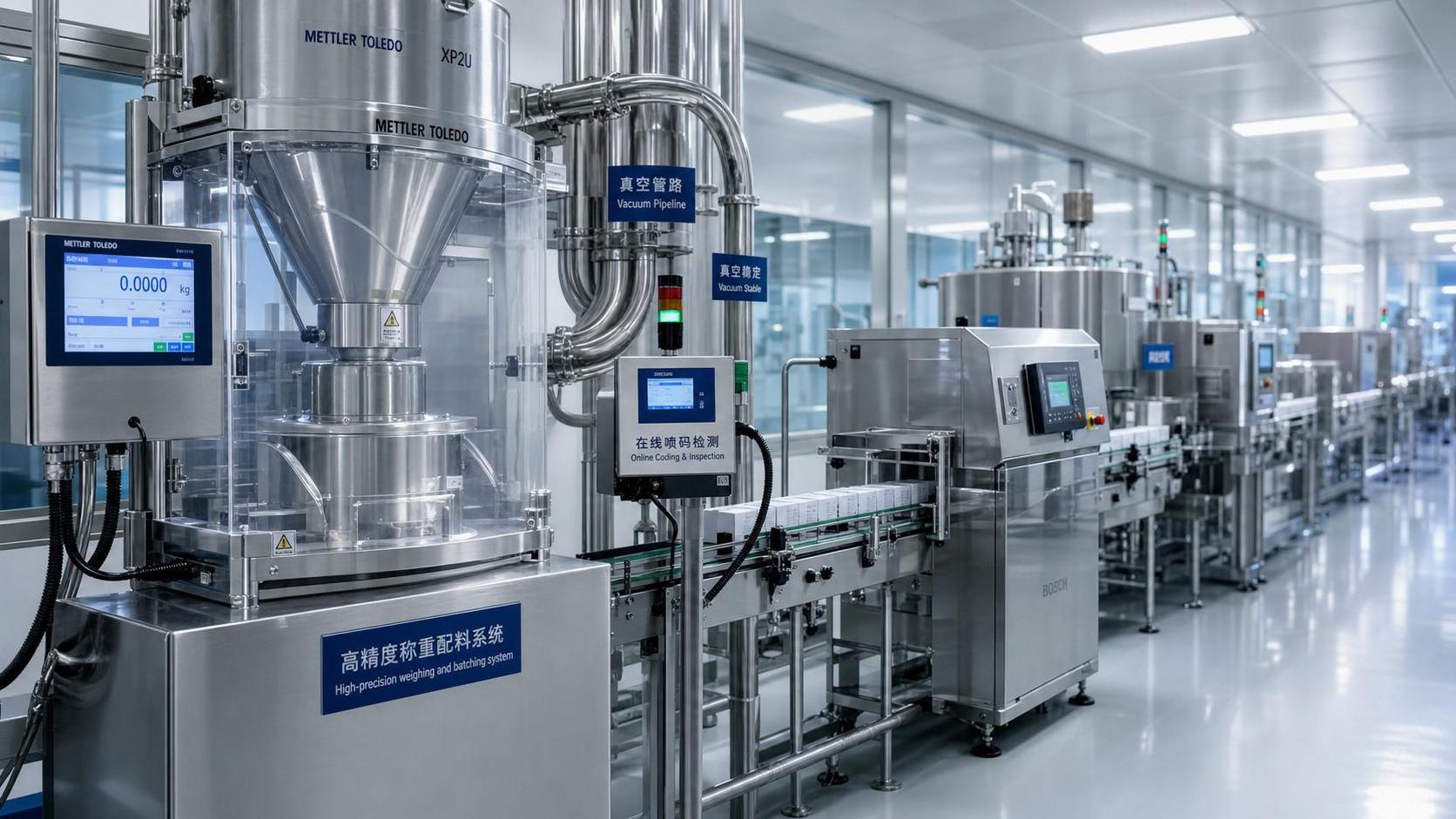
- Micro-process & Surface CompliancePrecision Process Support Systems for Pharmaceuticals: Where They Matter Most in ProductionPrecision process support systems pharmaceuticals depend on are key to GMP compliance, batch consistency, and scale-up success. Discover where they matter most in production.Jul 11, 2026
- Micro-process & Surface ComplianceHigh Performance Coatings: How to Choose for Corrosion, Abrasion, and Heat ExposureHigh performance coatings selection guide for corrosion, abrasion, and heat exposure. Learn how to compare systems, reduce failure risk, and improve equipment reliability.Jul 11, 2026
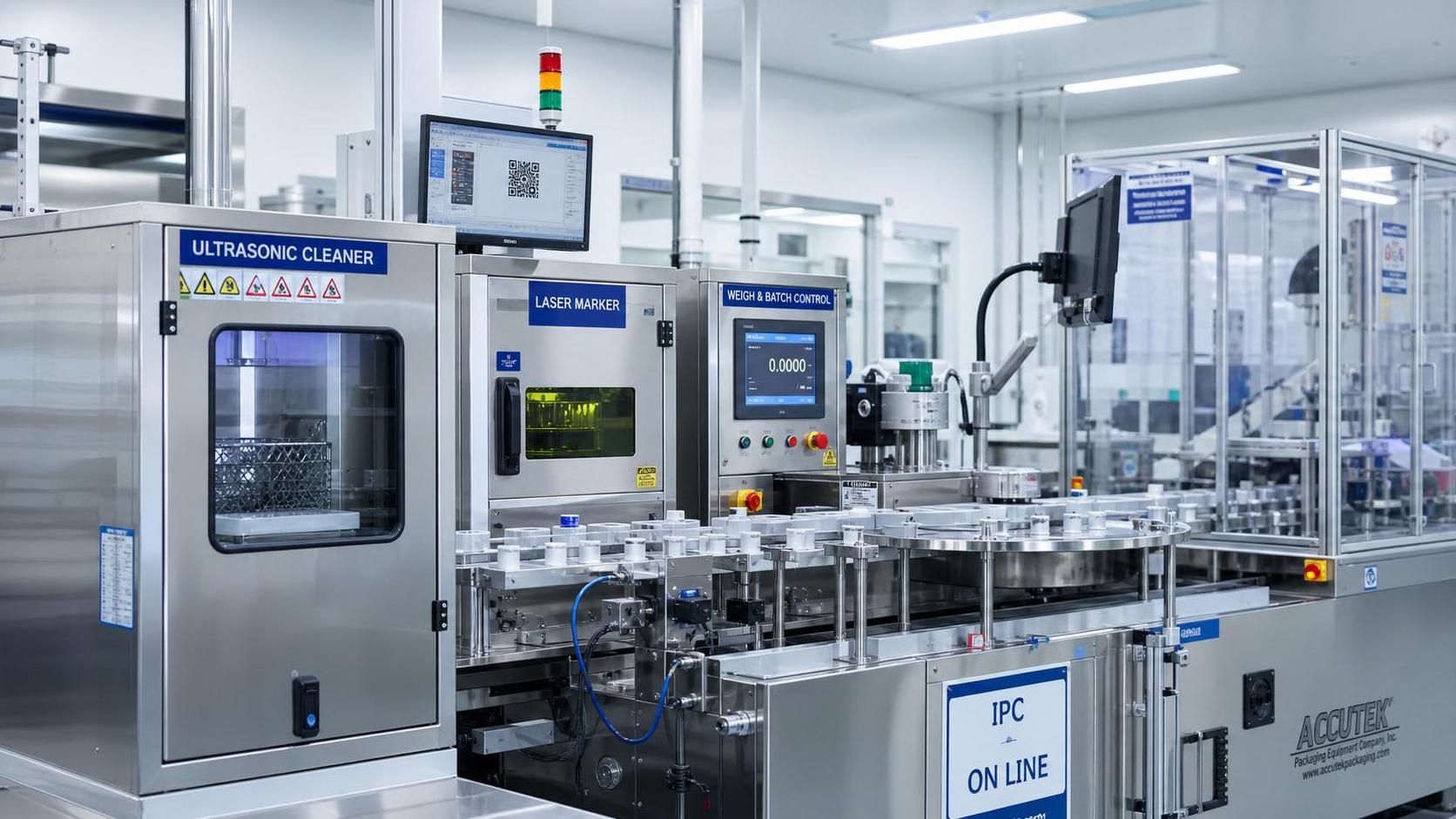
- Micro-process & Surface ComplianceManufacturing Compliance Solutions Supplier: Key Questions for GMP and Audit ReadinessManufacturing compliance solutions supplier guide: learn the key questions for GMP and audit readiness, from traceability and validation to cleaning, coding, weighing, and process control.Jul 09, 2026
- Micro-process & Surface ComplianceWhat to Check Before Comparing a Manufacturing Compliance Technology SupplierManufacturing Compliance Technology supplier comparison starts with risk, not price. Learn what to check in traceability, validation, integration, documentation, and audit readiness.Jul 09, 2026
 Micro-process & Surface ComplianceWhat to Check When Buying Precision Industrial Equipment from GermanyPrecision industrial equipment Germany buyers should verify process fit, compliance, supplier credibility, and hidden lifecycle costs before ordering. Learn the key checks to avoid costly mistakes.Jul 07, 2026
- Micro-process & Surface ComplianceSurface Treatment Engineering for Adhesion Improvement: Key Factors Behind Stronger BondsSurface treatment engineering adhesion improvement starts at the surface. Learn how cleaning, activation, roughening, and primers create stronger, more reliable bonds across materials.Jul 06, 2026

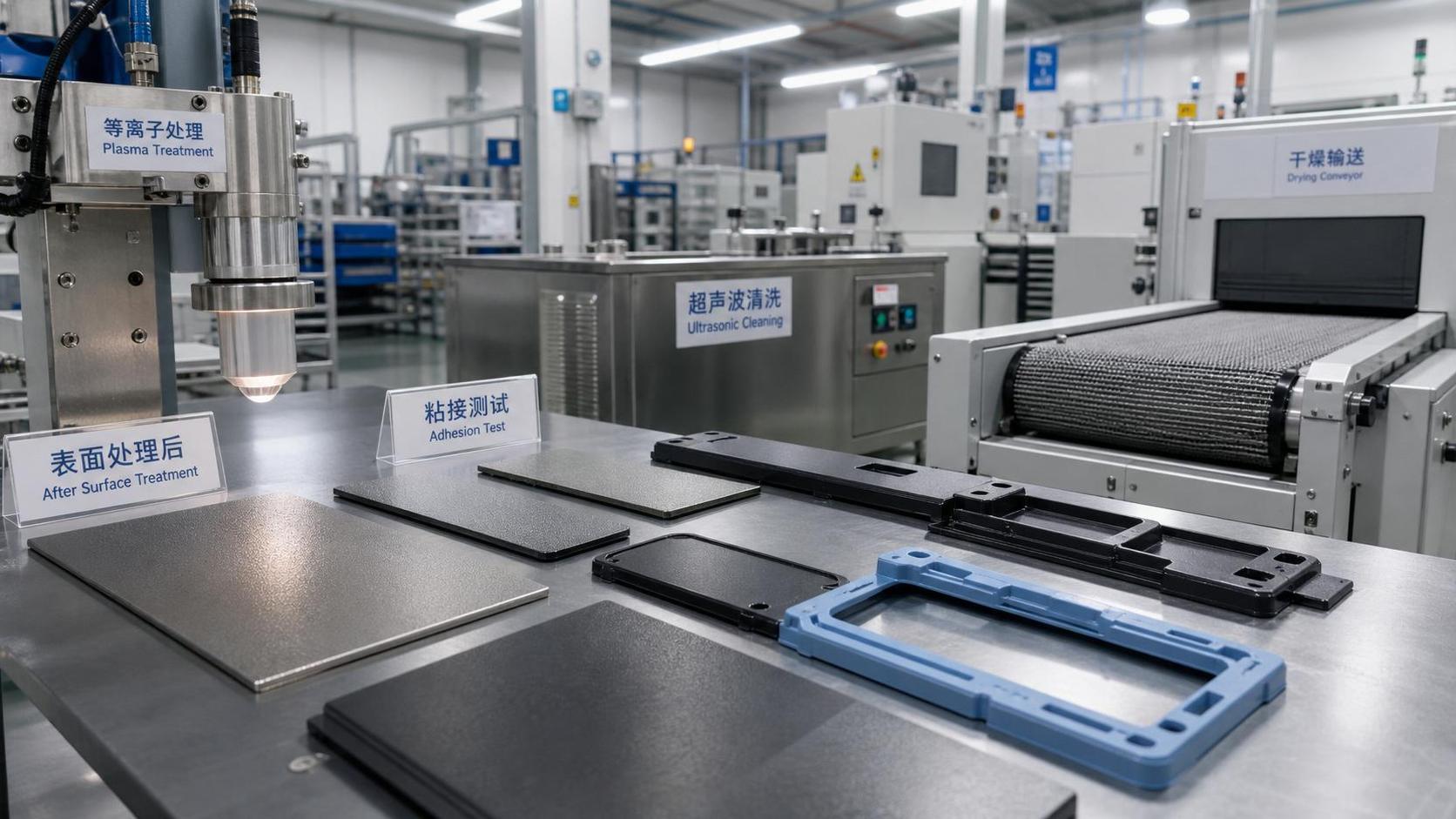

{item.catname}
{item.title}
{item.description}
{item.publish_time}
Related Industries
Trending in Tech
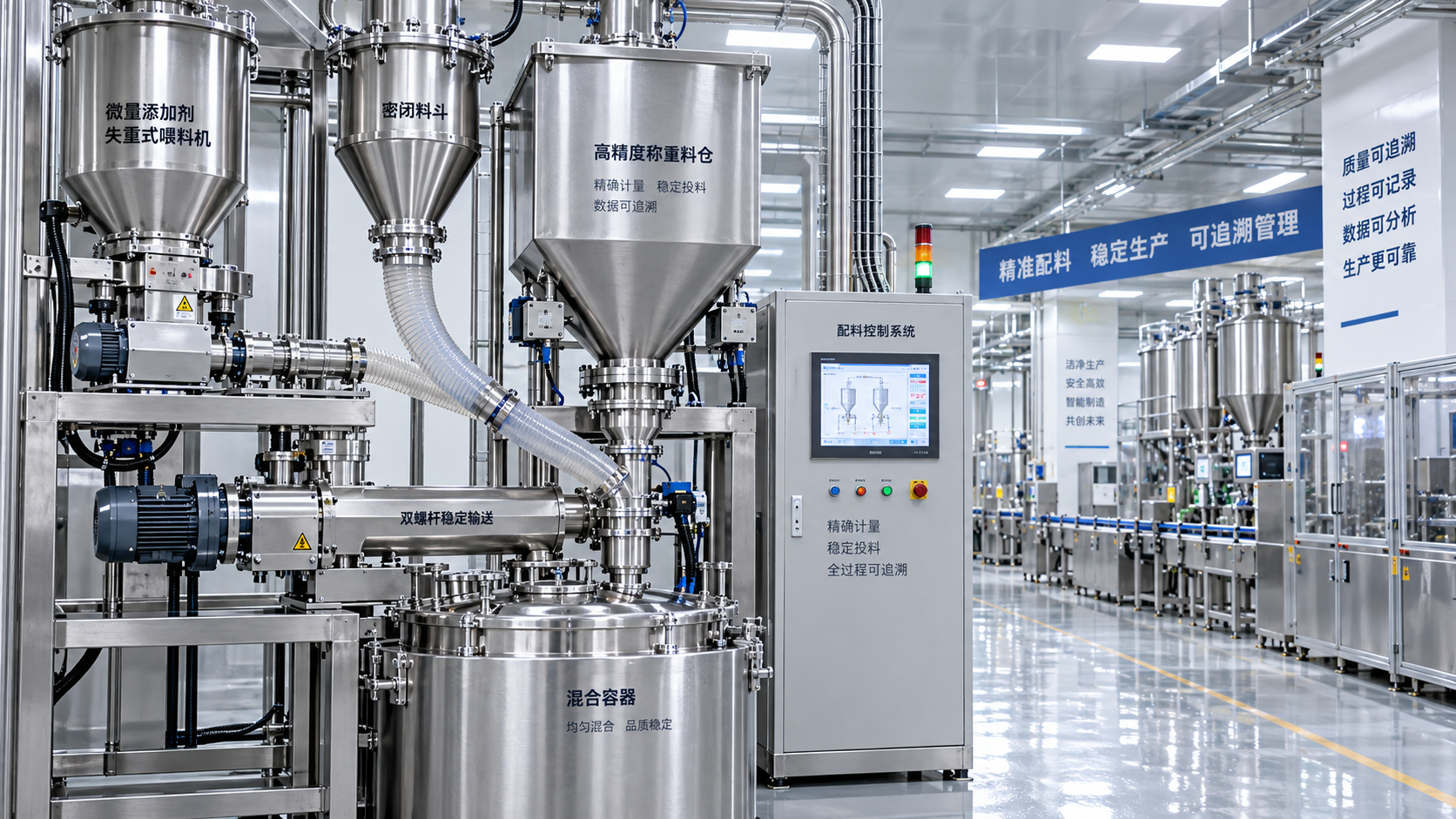
 How to Specify Additive Batching Systems for Tight Dosing TolerancesSep 19, 2026Precision batching systems for additives: learn how to specify feeders, weighing, controls, and validation for tight dosing tolerances, reliable batches, and traceable quality.
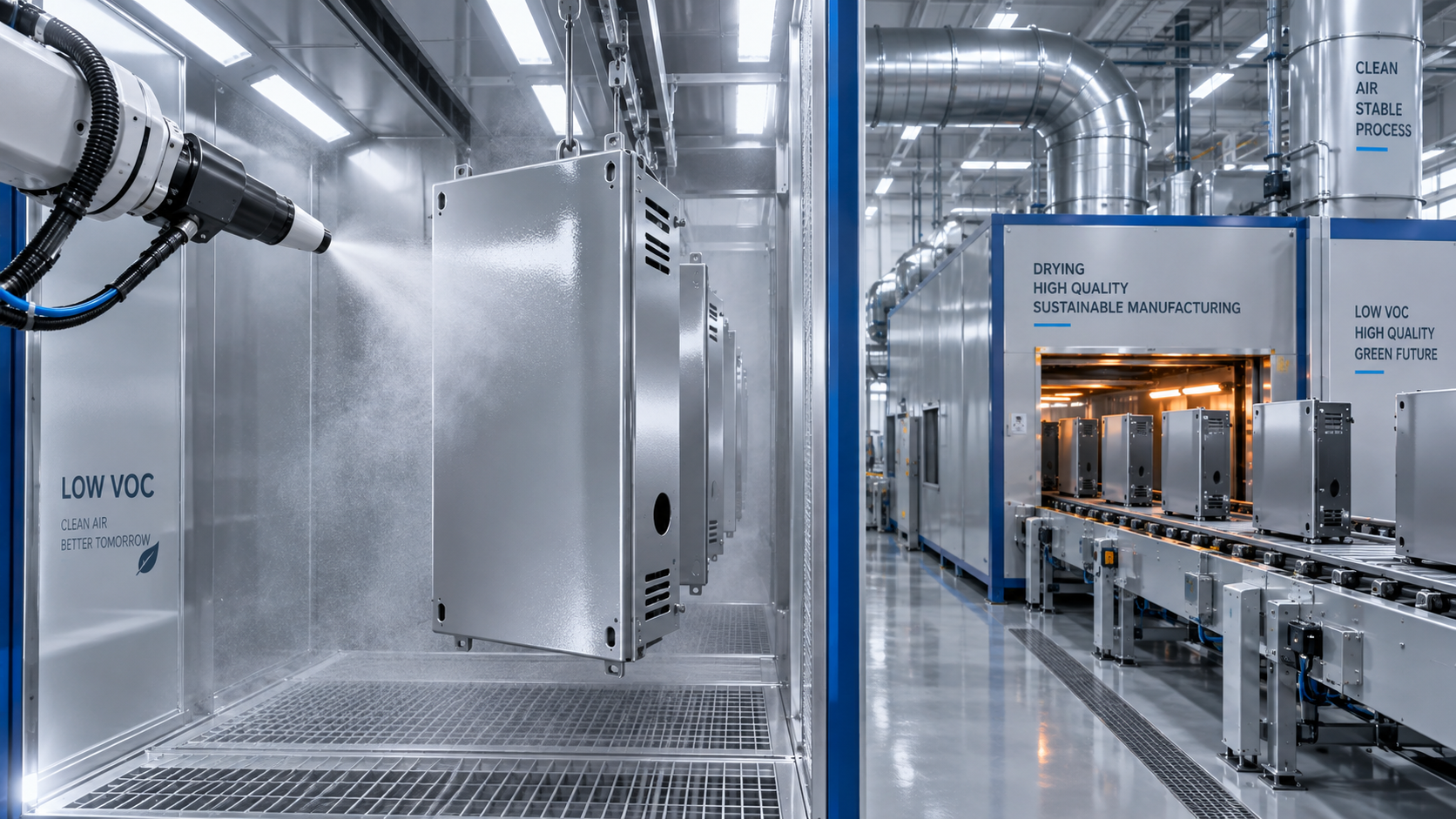
 How Electrostatic Coating Engineers Can Meet VOC Limits Without Sacrificing Finish QualitySep 18, 2026Electrostatic coating engineering VOC compliance: learn how to cut emissions while protecting gloss, coverage, cure performance, and first-pass quality.
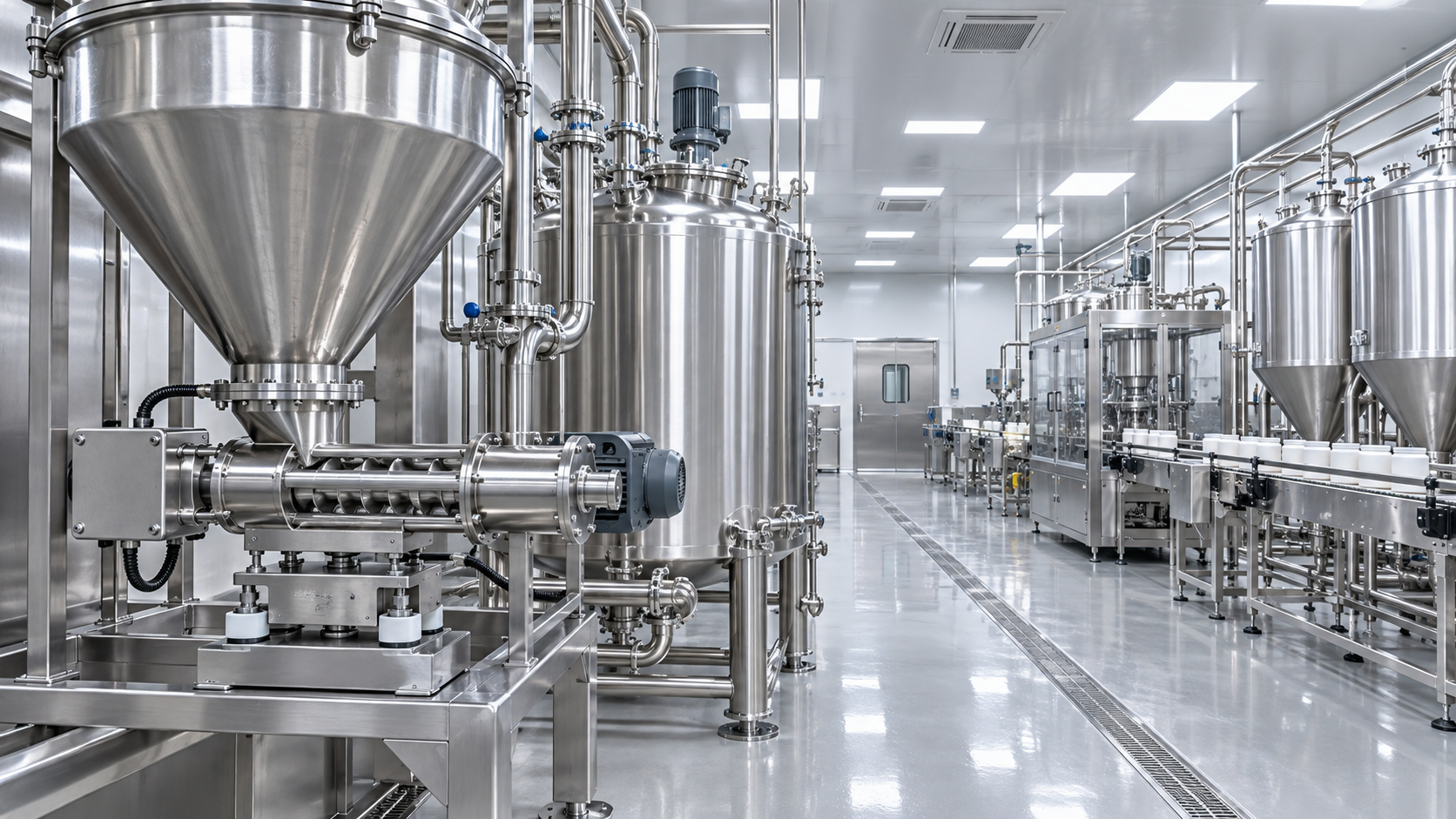
 Selecting Food Industrial Weighing Systems for Hygienic Batching and TraceabilitySep 17, 2026Industrial weighing systems for food: learn how to select hygienic, accurate batching solutions with reliable traceability, recipe control, and sanitation-ready design.
Weekly Insights
Stay ahead with our curated technology reports delivered every Monday.