• Surface Treatment

    
    • Eco-spray Booths & VOCs

    • Plasma Surface Treatment

    • Powder Coating Lines

  • Vacuum Pumps & Systems

    
    • Roots Vacuum Systems

    • Rotary Vane/Liquid Ring

    • Dry Screw/Claw Pumps

  • Weighing & Batching

    
    • Micro-batching Systems

    • Dynamic Checkweighers

    • Loss-in-Weight Feeders

  • Marking & Coding Mach

    
    • Traceability Vision Systems

    • Continuous Inkjet Printers

    • Fiber/UV Laser Markers

  • Ultrasonic Systems

    
    • Multi-tank Wash Lines

    • Plastic Ultrasonic Welders

    • Cleanroom Ultrasonic

    
    Location: Home > Marking & Coding Mach

    • How Batch Number Coding Systems for Bottles Reduce Label Mix-Ups and Traceability Errors
      Fiber/UV Laser Markers
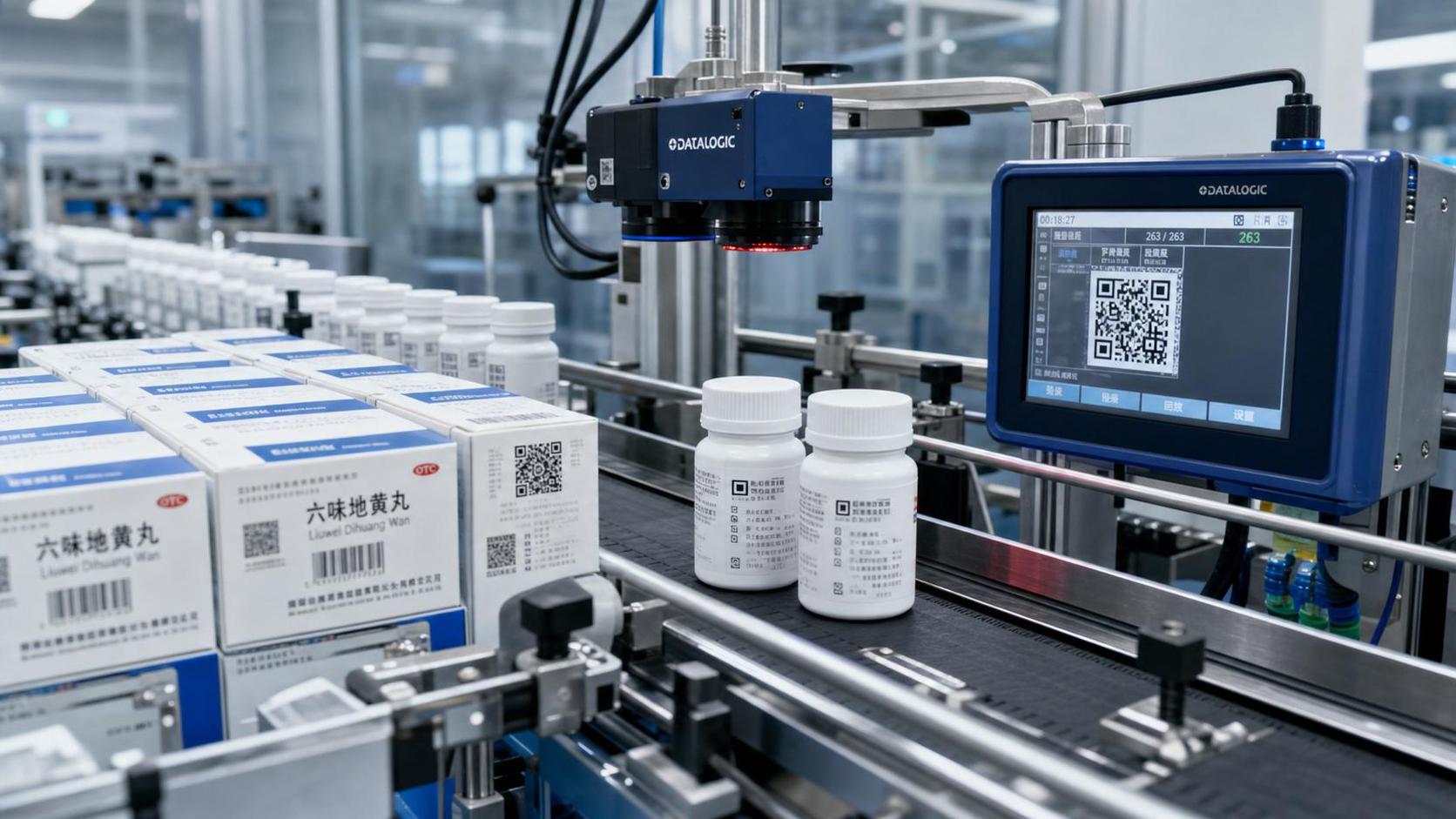
      How Batch Number Coding Systems for Bottles Reduce Label Mix-Ups and Traceability Errors
      Batch number coding systems for bottles help reduce label mix-ups, strengthen traceability, and improve recall readiness. Learn how smarter coding lowers errors and supports compliance.
      Jul 09, 2026
    • FDA Clarifies Audit Trail Rules for Traceability Vision Systems
      Traceability Vision Systems
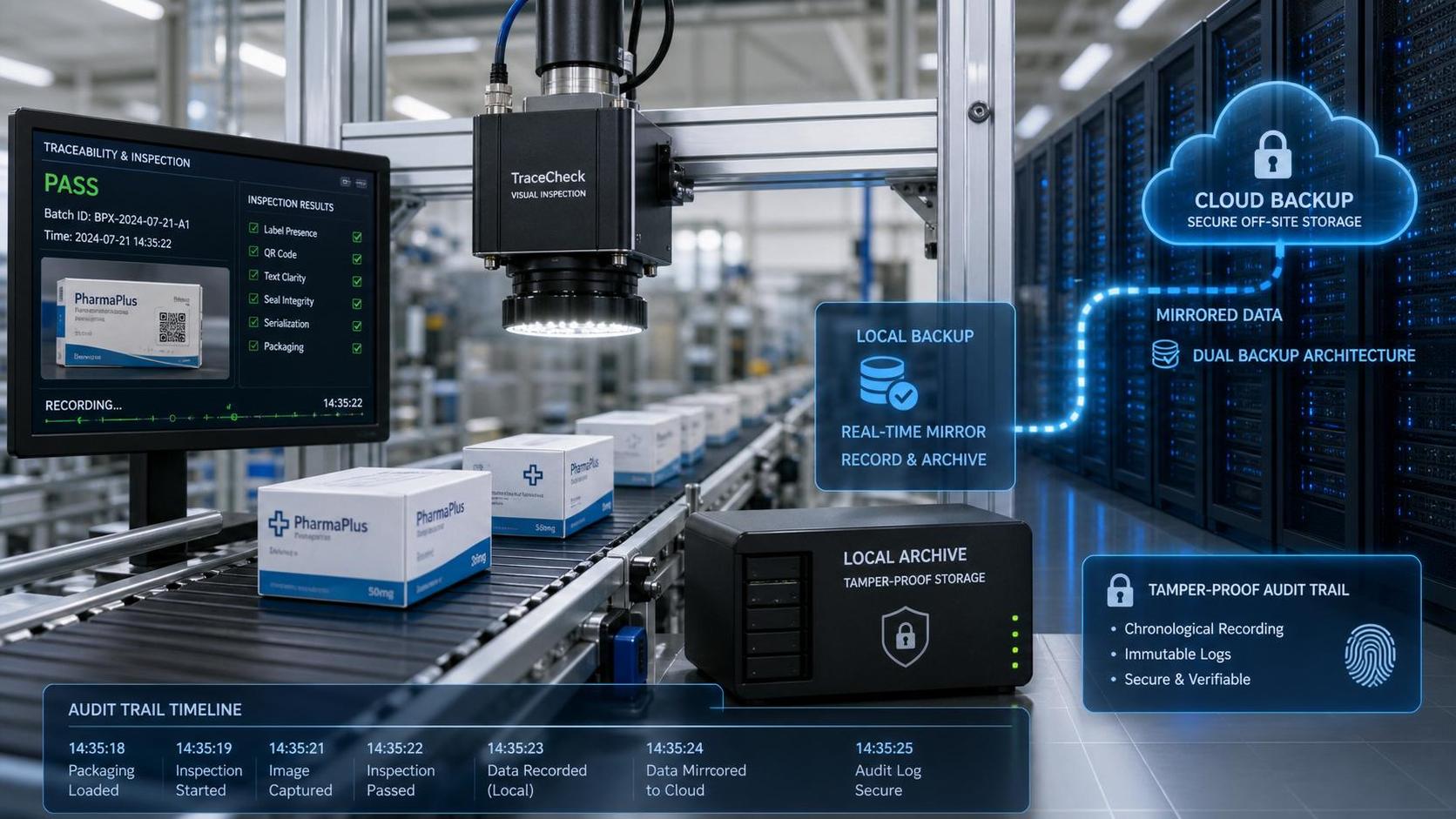
      FDA Clarifies Audit Trail Rules for Traceability Vision Systems
      FDA Clarifies Audit Trail Rules for Traceability Vision Systems, signaling stricter compliance for packaging lines. Learn the key audit log, dual backup, and GMP readiness impacts now.
      Jul 09, 2026
    • Laser Processing Technology Engraving: Best Materials, Limits, and Mark Quality Factors
      Fiber/UV Laser Markers
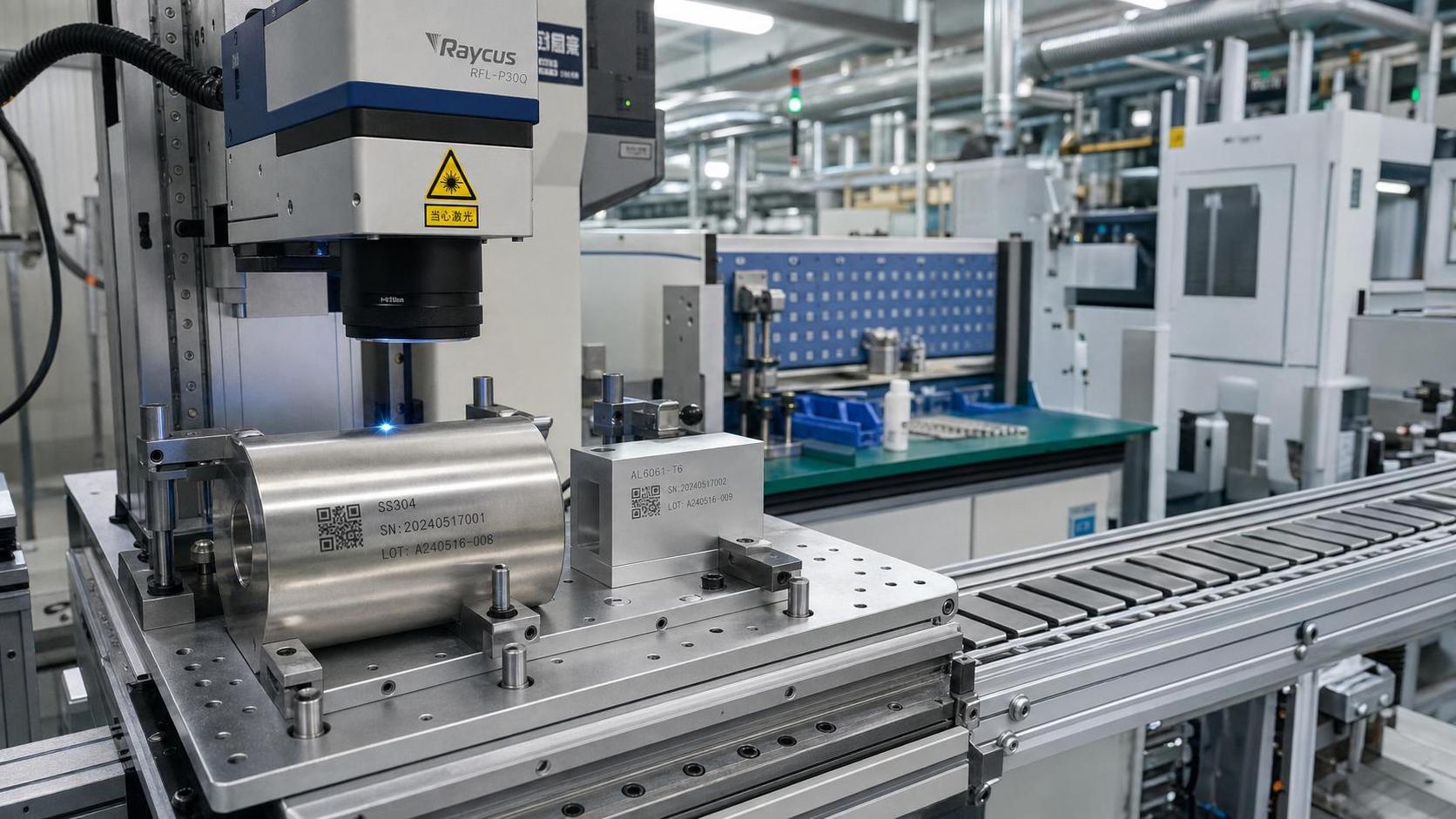
      Laser Processing Technology Engraving: Best Materials, Limits, and Mark Quality Factors
      Laser processing technology engraving explained: discover the best materials, real production limits, and mark quality factors to improve traceability, readability, and process reliability.
      Jul 08, 2026
    • Anti-Counterfeiting for Packaging: Which Technologies Work Best for Brand Protection?
      Traceability Vision Systems
      Anti-Counterfeiting for Packaging: Which Technologies Work Best for Brand Protection?
      Anti-counterfeiting for packaging: discover which technologies best protect brands, improve traceability, prevent fraud, and strengthen customer trust across global markets.
      Jul 08, 2026
    • FDA Part 11 Update Requires Audit Trails in GMP Vision Systems
      Traceability Vision Systems
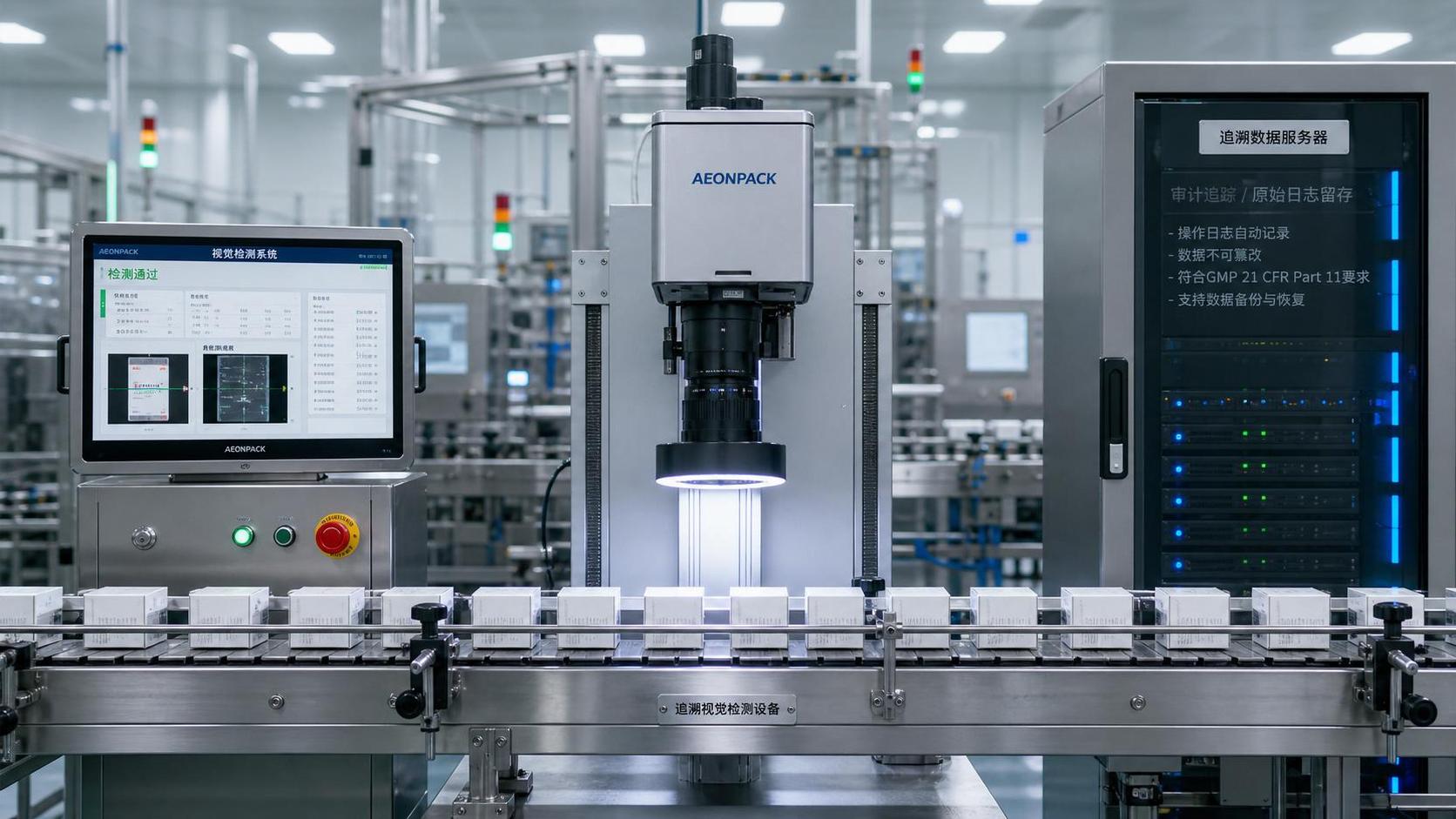
      FDA Part 11 Update Requires Audit Trails in GMP Vision Systems
      FDA Part 11 update now requires audit trails in GMP vision systems. Learn what changes by Oct. 1, 2026, who is affected, and how to prepare for compliant U.S. exports.
      Jul 08, 2026
    • Manufacturing Traceability for Medical Devices: What Data Must Be Captured to Stay Compliant?
      Traceability Vision Systems
      Manufacturing Traceability for Medical Devices: What Data Must Be Captured to Stay Compliant?
      Manufacturing traceability for medical devices starts with the right data. Learn which records, process links, and compliance checkpoints help reduce audit risk and strengthen recall readiness.
      Jul 06, 2026
    • Manufacturing Support Technology Traceability: How to Build a Reliable Track-and-Trace Workflow
      Traceability Vision Systems
      Manufacturing Support Technology Traceability: How to Build a Reliable Track-and-Trace Workflow
      Manufacturing Support Technology traceability made practical: learn how to build a reliable track-and-trace workflow that improves compliance, speeds audits, and reduces production risk.
      Jul 04, 2026
    • What Drives Anti-Counterfeiting Marking Cost in Manufacturing Projects?
      Fiber/UV Laser Markers
      What Drives Anti-Counterfeiting Marking Cost in Manufacturing Projects?
      Anti-counterfeiting marking cost in manufacturing depends on technology, materials, integration, and lifecycle risk. Learn what really drives cost and choose a smarter solution.
      Jul 04, 2026
    • EU Updates EN 14000-3:2026 for AI-Verified Traceability Systems
      Traceability Vision Systems
      EU Updates EN 14000-3:2026 for AI-Verified Traceability Systems
      EU Updates EN 14000-3:2026: learn how AI-verified traceability systems will reshape EU compliance, import declarations, and market access for exporters before 2027.
      Jul 03, 2026
    • <
    • 1
    • 2
    • 3
    • 4
    • 5
    • 6
    • 7
    • ...
    • 9
    • >

    Related Industries

    • Ultrasonic Systems

      
      • Multi-tank Wash Lines

      • Plastic Ultrasonic Welders

      • Cleanroom Ultrasonic

    • Marking & Coding Mach

      
      • Traceability Vision Systems

      • Continuous Inkjet Printers

      • Fiber/UV Laser Markers

    • Weighing & Batching

      
      • Micro-batching Systems

      • Dynamic Checkweighers

      • Loss-in-Weight Feeders

    • Vacuum Pumps & Systems

      
      • Roots Vacuum Systems

      • Rotary Vane/Liquid Ring

      • Dry Screw/Claw Pumps

    • Surface Treatment

      
      • Eco-spray Booths & VOCs

      • Plasma Surface Treatment

      • Powder Coating Lines

    • Micro-process & Surface Compliance

    • Traceability & Vacuum Thermodynamics

    • Batching Capital & Yield Insights

    Trending in Tech

    • Choosing an Ultrasonic Cleaning Systems Supplier: Sample Testing Checklist
      Choosing an Ultrasonic Cleaning Systems Supplier: Sample Testing Checklist
      Oct 22, 2026
      Choosing an ultrasonic cleaning systems supplier? Use this sample testing checklist to verify cleanliness, repeatability, throughput, and costs before you buy. Compare with confidence.
    • AkzoNobel Announces $60 Million Investment in North American Manufacturing
      AkzoNobel Announces $60 Million Investment in North American Manufacturing
      Oct 22, 2026
      AkzoNobel's $60 million North American manufacturing investment includes its Warsaw powder coatings plant. Explore potential impacts on capacity, procurement and supply planning.
    • Semiconductor Vacuum Process Engineering: Balancing Gas Load and Pumping Speed
      Semiconductor Vacuum Process Engineering: Balancing Gas Load and Pumping Speed
      Oct 21, 2026
      Explore vacuum process engineering semiconductor teams rely on to balance gas loads and pumping speed. Discover practical ways to stabilize pressure and improve process control.


    Weekly Insights

    Stay ahead with our curated technology reports delivered every Monday.

    Subscribe Now

    Industries

    • Privacy Policy

    • Links

    • Contact Us

    • About

    • Home

    Resource

    • Ultrasonic Systems

    • Marking & Coding Mach

    • Weighing & Batching

    • Vacuum Pumps & Systems

    • Surface Treatment

    • Micro-process & Surface Compliance

    • Traceability & Vacuum Thermodynamics

    • Batching Capital & Yield Insights

    GIAS

    Global General Industrial Auxiliary Systems (GIAS) is a specialized B2B intelligence portal focused on industrial auxiliary equipment and process-support systems used across advanced manufacturing. The platform covers ultrasonic cleaning and welding, laser marking, inkjet coding, industrial weighing and batching, vacuum pumps, vacuum systems, surface treatment, and electrostatic coating technologies.

    GIAS serves equipment manufacturers, factory engineers, procurement managers, quality control teams, compliance officers, exporters, investors, and industrial solution providers that need reliable information about process quality, traceability, coating performance, cleaning precision, and production consistency. These auxiliary systems may not always appear at the center of a production line, but they directly affect product yield, safety, compliance, brand identity, and long-term manufacturing reliability.

    The platform’s core mission is to help global manufacturers understand how microscopic process control improves final product quality. Ultrasonic systems remove micron-level contaminants from precision parts and weld plastic components without adhesives. Laser marking and inkjet coding systems create permanent product identification for traceability and anti-counterfeiting. Industrial weighing and batching systems ensure accurate recipe control in food, pharmaceuticals, chemicals, and lithium battery production. Vacuum systems support semiconductor processing, freeze-drying, packaging, coating, and degassing. Surface treatment and electrostatic coating technologies improve corrosion resistance, appearance, and environmental compliance.

    GIAS combines industry news, technology analysis, compliance insight, market trends, supplier visibility, and application-based content. It helps buyers evaluate equipment performance, compare process technologies, understand regulatory requirements, and identify reliable suppliers. For manufacturers and exporters, GIAS provides a professional platform to communicate technical capability, product advantages, certifications, case studies, and global market readiness.

    By organizing complex auxiliary equipment topics into clear, searchable, and professionally written content, GIAS supports both human decision-making and digital discoverability. Its content structure is suitable for search engines, AI answer platforms, procurement research, and international B2B marketing. The platform is built around the principle that final product quality depends not only on primary machines, but also on the precision, cleanliness, identification, batching accuracy, vacuum stability, and surface protection delivered by auxiliary systems.

    Copyright © Global General Industrial Auxiliary Systems

    Site Index