
Location: Home > Marking & Coding Mach
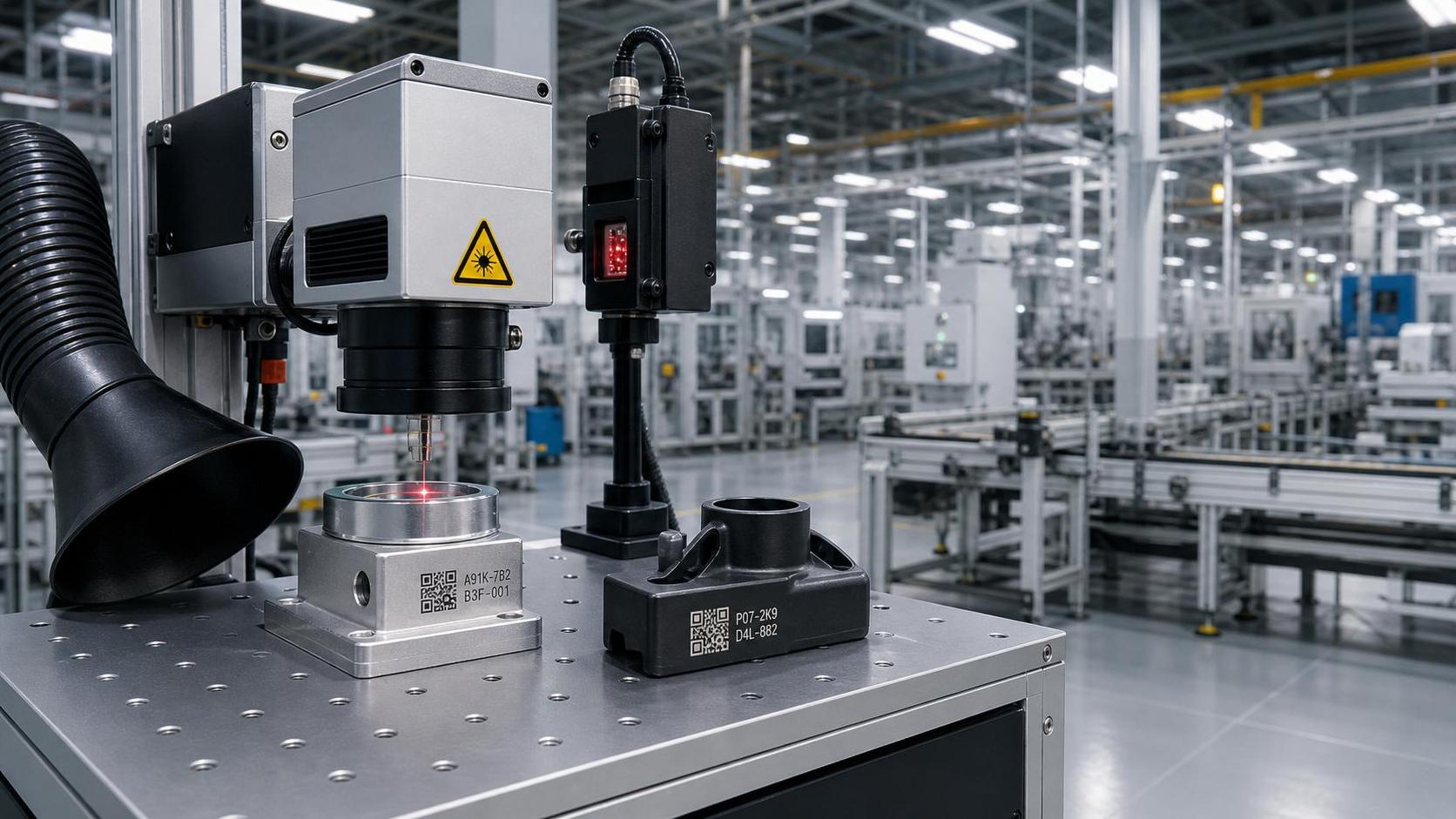
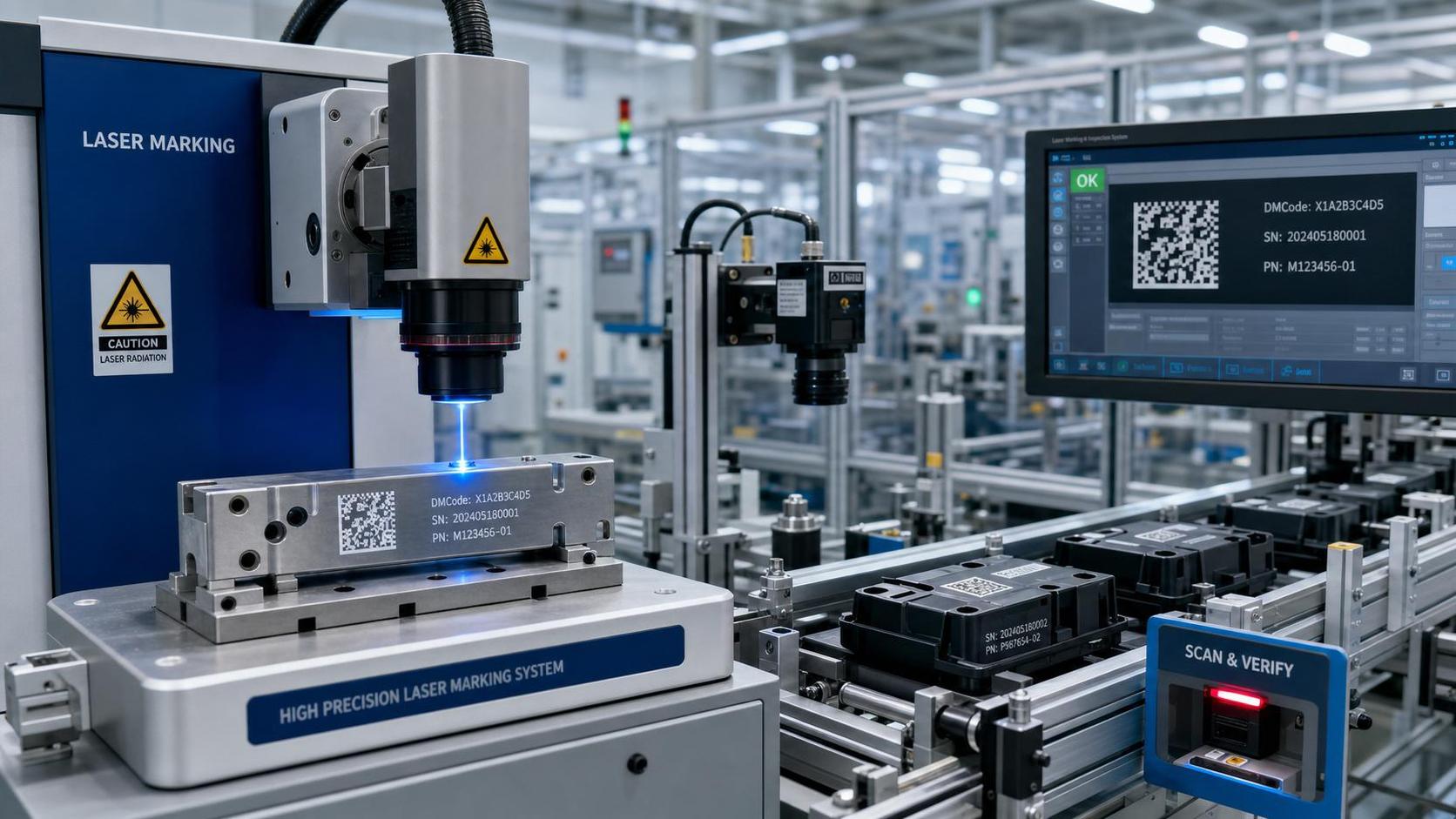
 Fiber/UV Laser MarkersHow Laser Engraving Technology Improves Automotive Part Traceability and ComplianceLaser engraving technology automotive solutions improve part traceability, compliance, and scan reliability across production lines. Discover how durable marking reduces audit risk and supports recalls.Jul 19, 2026
- Fiber/UV Laser MarkersHow to Choose Laser Marking Systems in the USA: Materials, Compliance, and ROILaser marking systems USA buyers trust should match materials, meet compliance, and deliver real ROI. Learn how to compare systems for traceability, uptime, and long-term production value.Jul 17, 2026
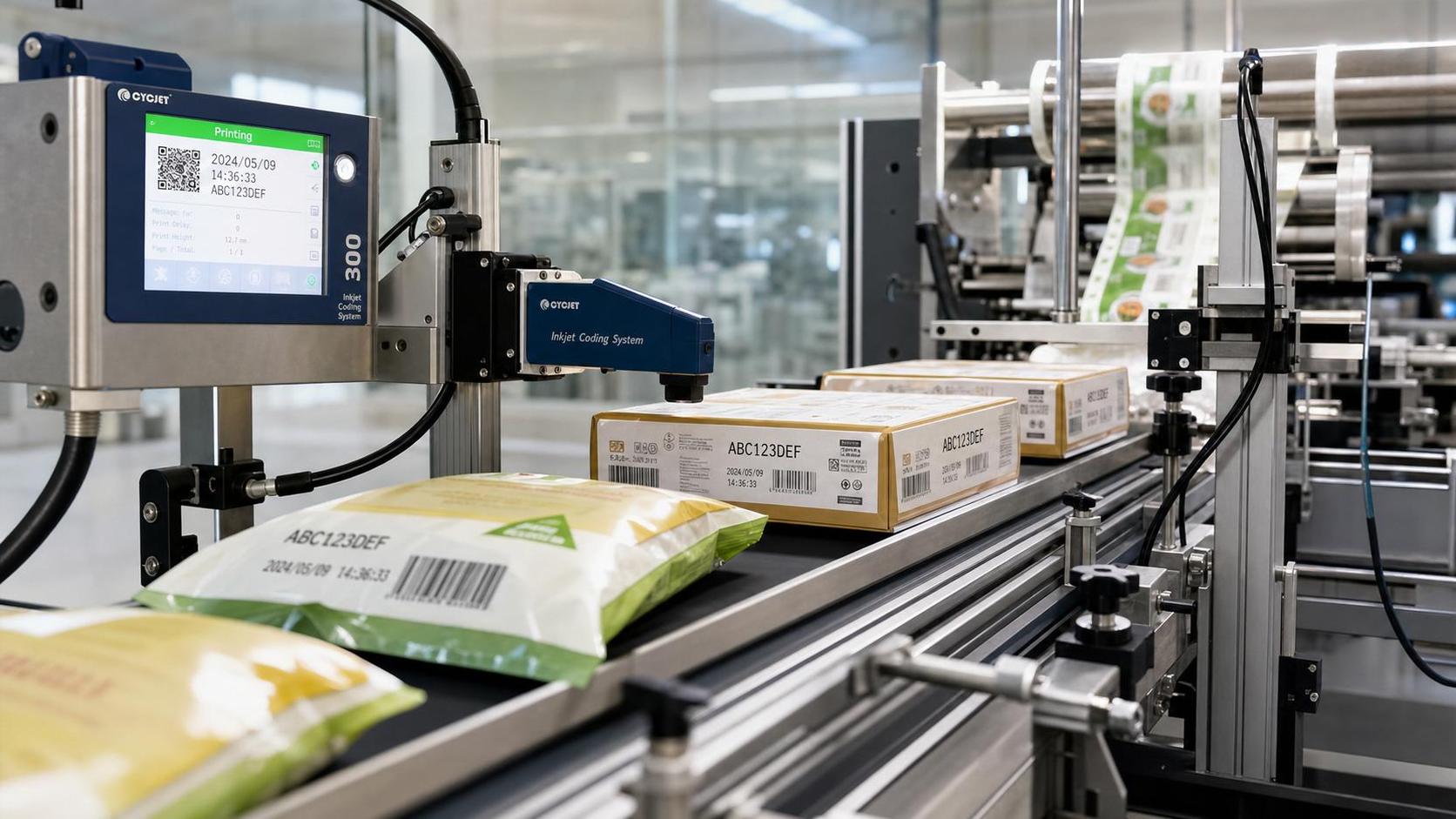
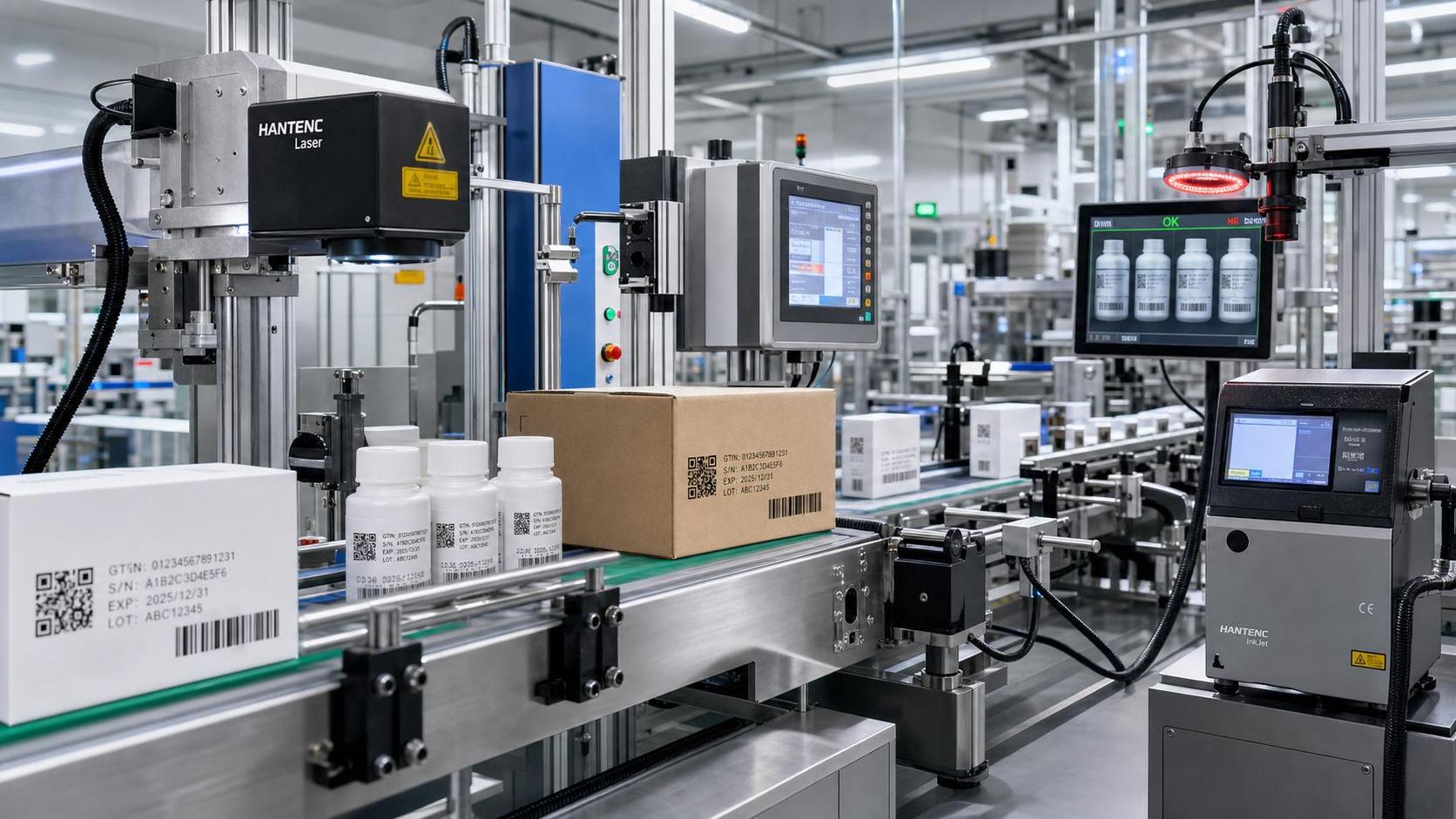
- Continuous Inkjet PrintersContinuous Packaging Coding Explained: Best Fit for High-Speed Cartons, Pouches, and FilmsContinuous packaging coding explained for fast cartons, pouches, and films. Compare CIJ, TIJ, TTO, and laser options to improve code clarity, uptime, traceability, and line efficiency.Jul 15, 2026
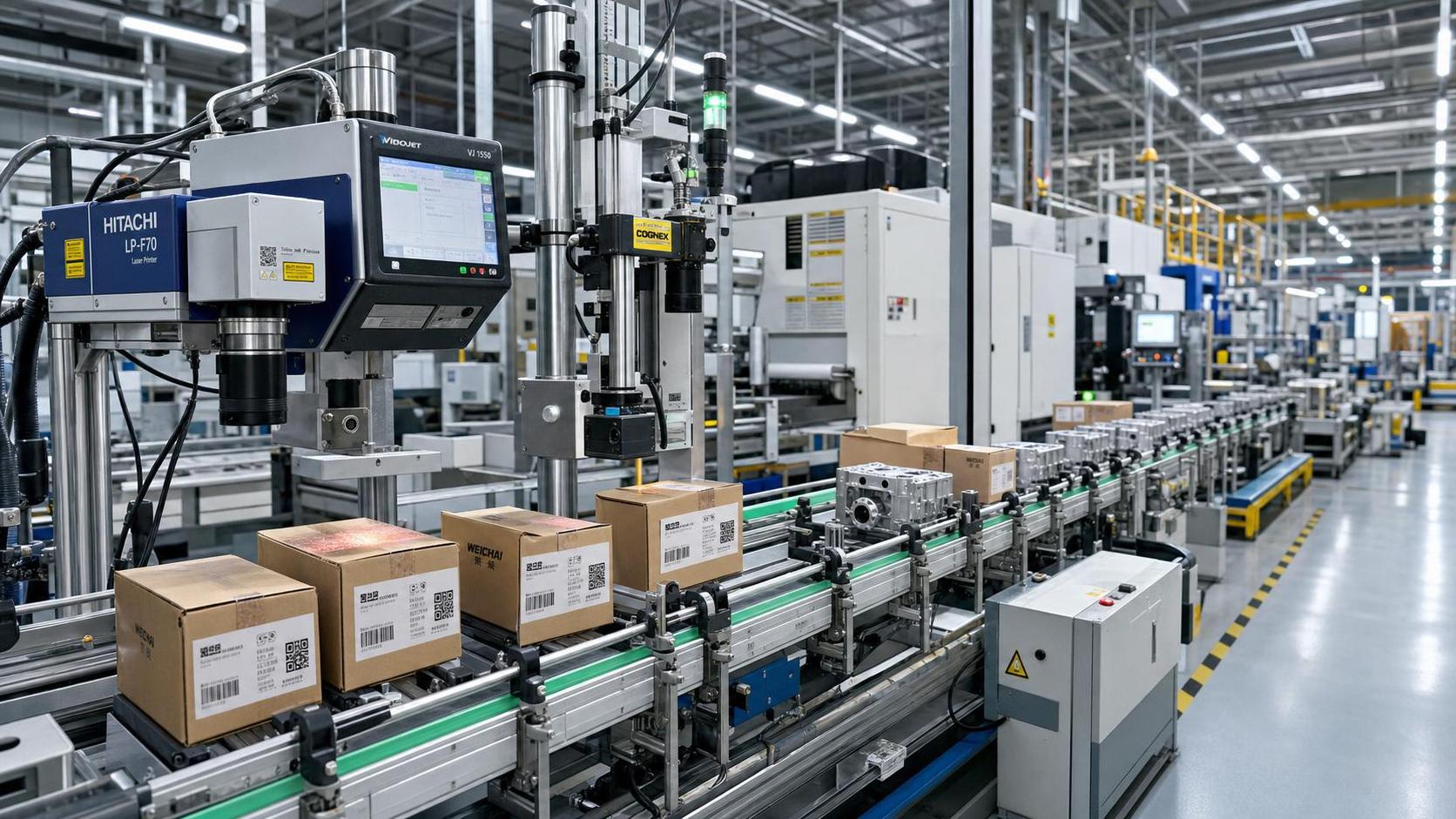
- Traceability Vision SystemsHow to Evaluate an Industrial Coding Systems Supplier for Traceability and Line SpeedIndustrial coding systems supplier selection affects traceability, uptime, and line speed. Learn what to compare, what to test, and how to avoid costly sourcing mistakes.Jul 15, 2026
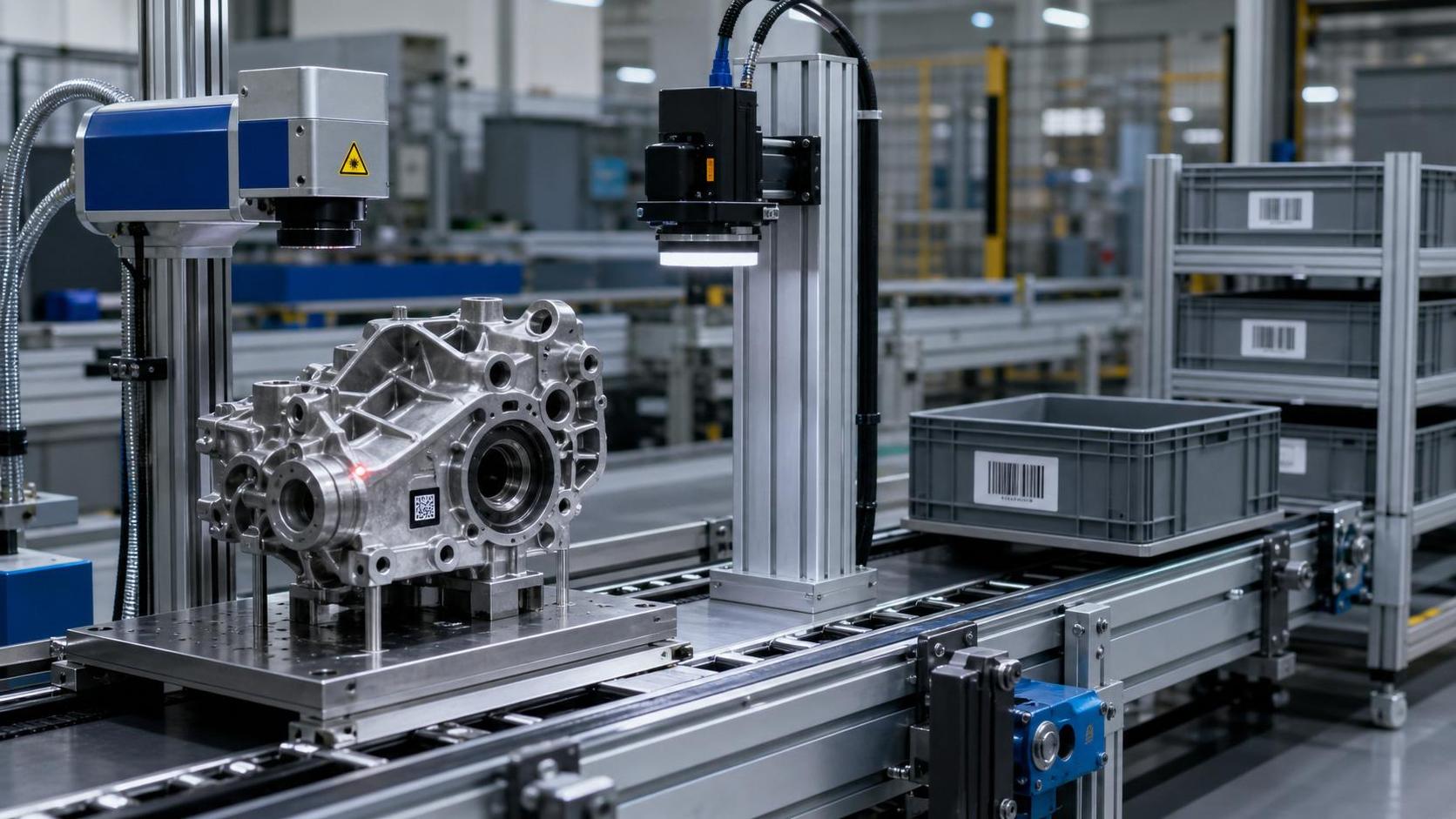
- Traceability Vision SystemsProduct Identification Systems for Automotive: Barcode, Laser, or Vision?Product identification systems automotive teams depend on: compare barcode, laser, and vision for traceability, durability, and quality to choose the best-fit solution.Jul 14, 2026
- Fiber/UV Laser MarkersHow to Choose a Laser Marking Solutions Manufacturer for Traceable Product CodingLaser marking solutions manufacturer selection affects code quality, uptime, and traceability. Learn how to compare suppliers, cut risk, and choose a partner that supports reliable product coding.Jul 13, 2026
- Traceability Vision SystemsHow an Anti-Counterfeiting Marking Supplier Supports Traceability in Packaging LinesAnti-counterfeiting marking supplier solutions strengthen packaging line traceability with reliable coding, serialization, and verification to protect brands, improve compliance, and boost supply chain control.Jul 12, 2026
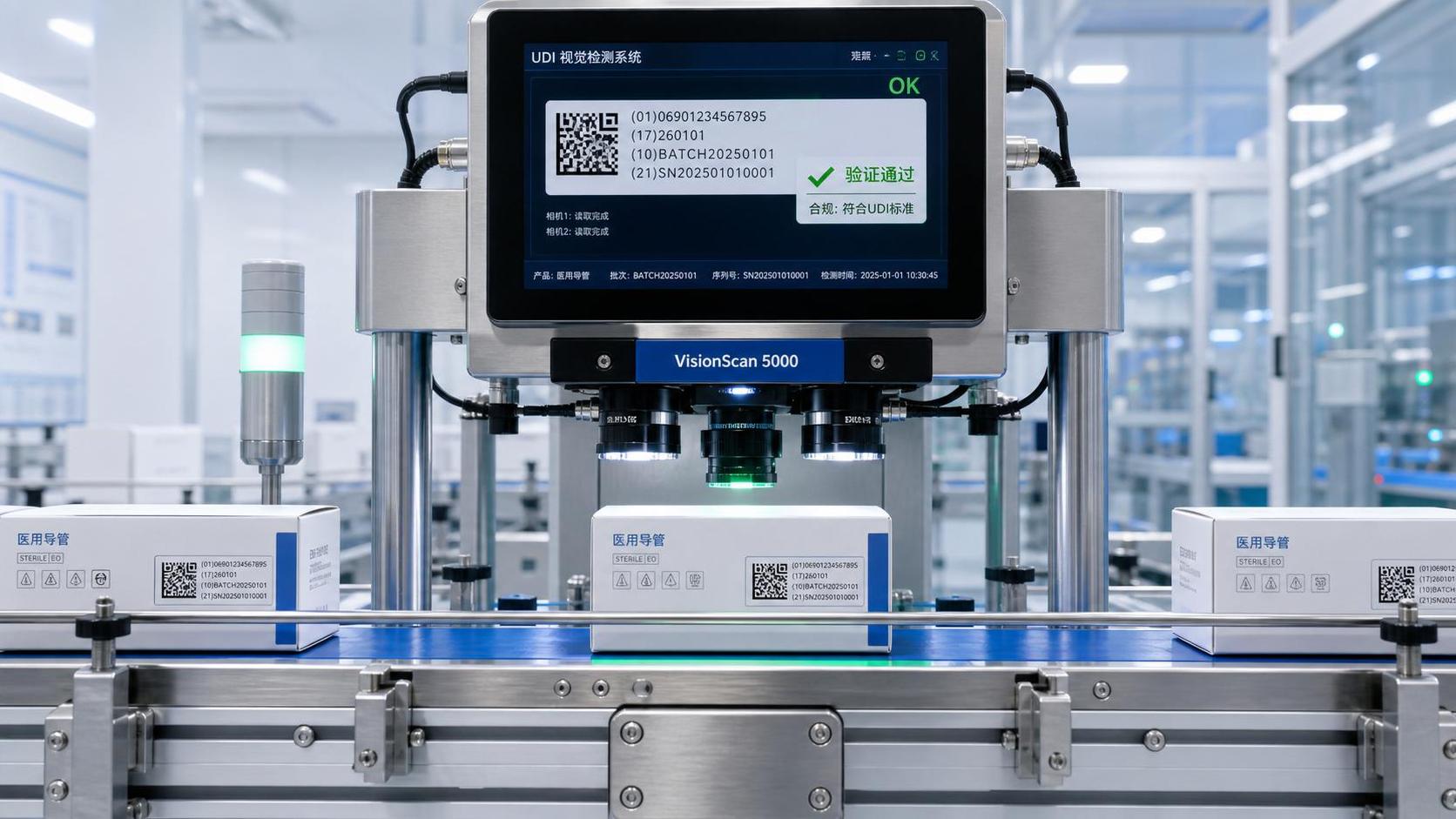
- Traceability Vision SystemsFDA UDI Update Adds GS1 AI-95 Check for Vision SystemsFDA UDI update adds GS1 AI-95 validation for vision systems starting Dec 1, 2026. Learn how this affects medical device compliance, U.S. market access, procurement review, and delivery readiness.Jul 12, 2026
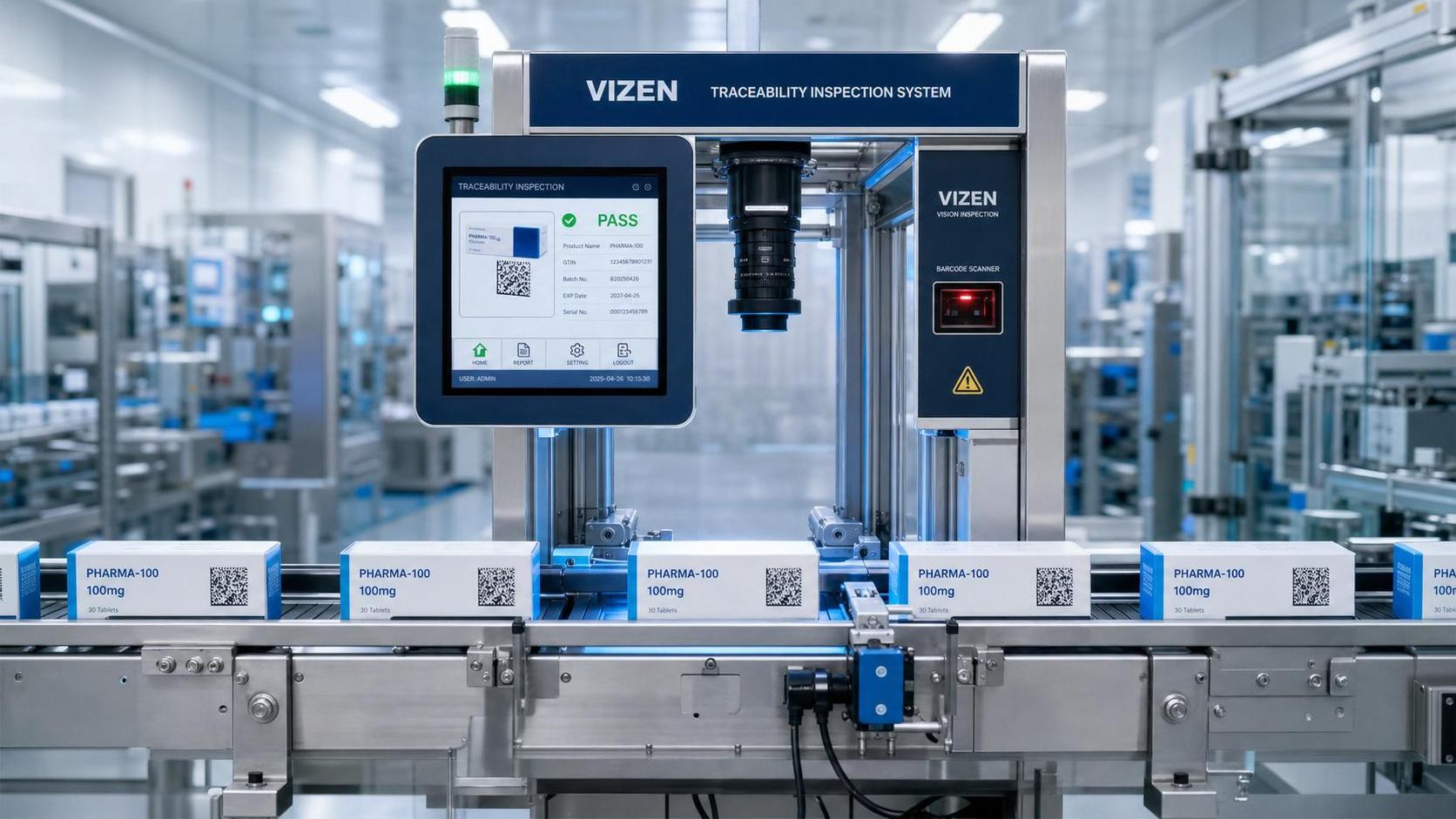
- Traceability Vision SystemsFDA update raises bar for traceability vision systemsFDA update raises bar for traceability vision systems: learn how DSCSA 2027 rules, AI validation, GS1 DataMatrix checks, and UL 62914-2:2026 may reshape pharma supply chain access.Jul 11, 2026


{item.catname}
{item.title}
{item.description}
{item.publish_time}
Related Industries
Trending in Tech
 Selecting Food Industrial Weighing Systems for Hygienic Batching and TraceabilitySep 17, 2026Industrial weighing systems for food: learn how to select hygienic, accurate batching solutions with reliable traceability, recipe control, and sanitation-ready design.
 How to Build an Industrial Quality Assurance System for Traceable ProductionSep 16, 2026Industrial quality assurance system guide: build traceable production, control critical handoffs, strengthen release evidence, and contain deviations faster.
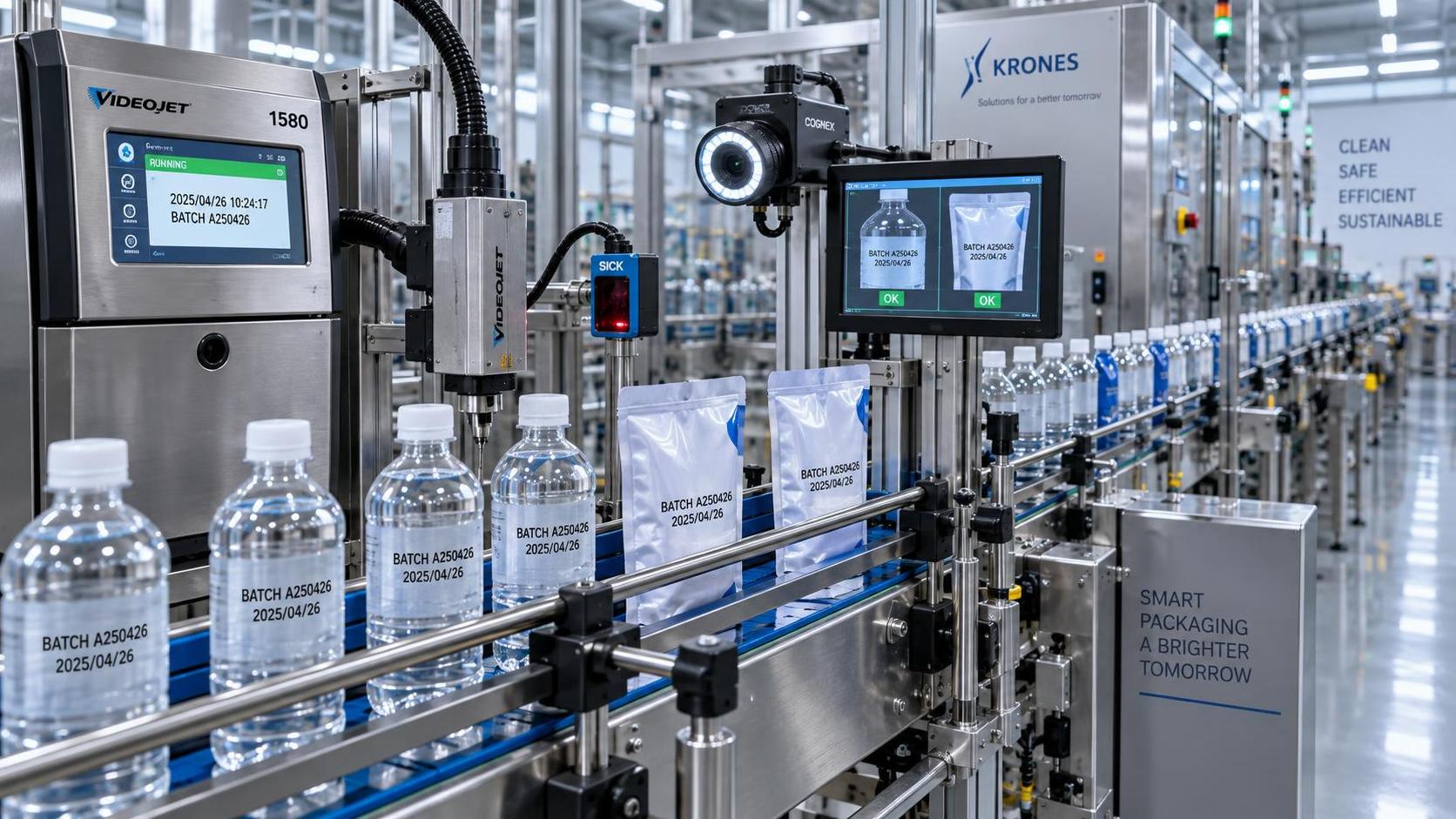
 How Continuous Inkjet Technology Enables Reliable Batch Coding on High-Speed LinesSep 15, 2026Continuous inkjet technology batch coding delivers reliable, high-speed traceability with flexible non-contact printing, robust data control, and durable codes across diverse packaging lines.


Weekly Insights
Stay ahead with our curated technology reports delivered every Monday.