
How Batch Number Coding Systems for Bottles Reduce Label Mix-Ups and Traceability Errors
In bottle production and packaging, even a small coding mistake can trigger label mix-ups, traceability gaps, and costly compliance risks.
Batch number coding systems for bottles help maintain accurate identification across filling, labeling, packing, and shipping.
They also support recall readiness, process discipline, and stronger evidence during audits or customer complaints.
For fast-moving plants, that matters more than ever.
Why Coding Errors Still Happen on Bottle Lines
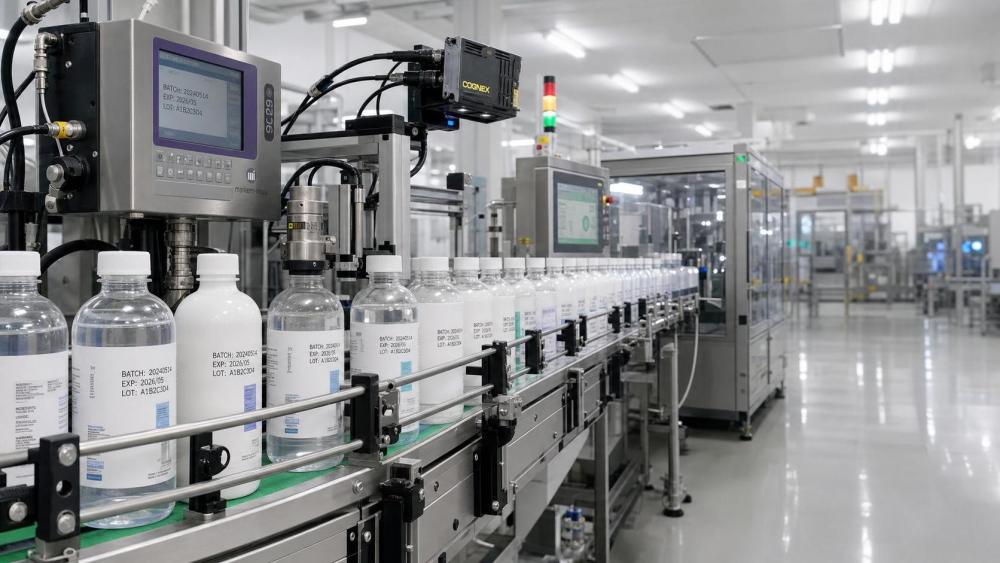
Bottle lines often look automated, but many coding failures begin with small setup weaknesses.
A wrong date field, a reused print file, or a mismatched label roll can create a serious traceability issue.
The risk increases when several bottle sizes, SKUs, or export variants run on the same line.
In practical terms, operators may change caps, labels, and cartons correctly, yet leave the previous batch code active.
That creates a hidden mismatch between physical packaging and production data.
From a compliance perspective, this is not a minor printing defect.
It can affect recall scope, complaint investigation speed, and confidence in released stock.
This is where batch number coding systems for bottles make a measurable difference.
How Batch Number Coding Systems for Bottles Improve Control
A reliable coding system does more than print characters on a bottle.
It connects product identity, production timing, line status, and verification rules into one controlled process.
When designed well, batch number coding systems for bottles reduce opportunities for manual override and format confusion.
Most systems support data input from MES, ERP, or local production databases.
That means the approved batch code can be pushed directly to inkjet or laser coding equipment.
The operator then confirms the job instead of typing critical data from memory.
This shift sounds simple, but it sharply lowers human error.
More advanced setups add vision inspection after coding.
The camera checks whether the printed batch number matches the expected record and remains readable.
If the code is wrong, missing, or blurred, the system rejects the bottle or stops the line.
That creates a closed loop between code generation and code verification.
The Main Causes of Label Mix-Ups and Traceability Gaps
To reduce mistakes, it helps to separate visible defects from system-level causes.
Most traceability failures come from predictable weak points:
- Manual entry of batch codes during product changeovers.
- Separate control of label printing and bottle coding devices.
- Unclear approval steps before production release.
- Poor code contrast on curved or wet bottle surfaces.
- No camera inspection for code presence and readability.
- Lack of digital records linking code, line, shift, and material lot.
Each point can trigger downstream confusion, especially during complaint handling.
A bottle may look correct on the shelf while its recorded identity is incomplete or wrong.
That is why batch number coding systems for bottles should be treated as part of quality infrastructure, not only packaging equipment.
What Better Traceability Looks Like in Daily Operations
Strong traceability is not just about finding a batch after something goes wrong.
It also supports faster release decisions, cleaner handovers, and more reliable production history.
With batch number coding systems for bottles, every unit can be linked back to a defined production event.
That event may include the filling line, shift team, raw material lot, inspection status, and packaging date.
When an issue appears, teams do not need to search through handwritten logs and fragmented spreadsheets.
They can isolate affected output faster and avoid expanding a recall unnecessarily.
This reduces waste, legal exposure, and customer disruption.
It also improves confidence during external audits, where evidence quality matters as much as process claims.
Typical Traceability Benefits
- Faster root cause analysis after complaints.
- Smaller recall boundaries through precise batch identification.
- Better proof of compliance for regulated sectors.
- Reduced quarantine time for suspect stock.
- Clearer accountability during shift changes and contract manufacturing.
How to Choose the Right Coding Setup for Bottles
Not every bottle line needs the same coding method.
The best option depends on bottle material, line speed, code durability needs, and cleaning conditions.
For example, PET, HDPE, glass, and coated surfaces respond differently to marking technologies.
That is why selection should begin with application detail, not vendor claims.
In many facilities, the real upgrade is not the printer alone.
It is the combination of coding device, line integration, software control, and inspection feedback.
That integrated approach is what makes batch number coding systems for bottles consistently useful.
Practical Steps to Reduce Errors Before They Reach the Market
Process control improves fastest when teams focus on a few disciplined actions.
- Standardize batch code formats across plants, SKUs, and export markets.
- Lock approved print templates to prevent unauthorized edits on the line.
- Connect coding data to production orders instead of manual text entry.
- Use vision systems to verify readability and match expected batch information.
- Validate code placement on actual bottle surfaces, not only in trial prints.
- Review rejected bottles by cause to find recurring setup or maintenance issues.
- Train operators on traceability impact, not just machine operation steps.
These actions are especially useful where multiple shifts share one packaging line.
They also help contract manufacturers align with brand-owner requirements more clearly.
Where GIAS Fits into Better Coding and Traceability Decisions
For manufacturers comparing coding, marking, and process-support technologies, decision quality depends on context.
GIAS focuses on the industrial auxiliary systems that quietly shape product quality and line reliability.
That includes laser marking, inkjet coding, inspection support, and other process tools linked to traceability control.
In bottle applications, those systems influence identification accuracy, audit readiness, and packaging consistency.
By organizing technical content into practical comparisons and application-based insight, GIAS helps teams judge what will work on real lines.
Final Takeaway
Label mix-ups rarely begin as dramatic failures.
They usually start with small coding gaps that go unnoticed until a complaint, audit, or recall exposes them.
Batch number coding systems for bottles reduce that risk by bringing control, verification, and traceable data into one process.
For operations that need fewer errors and faster response, the next step is clear.
Review the current coding workflow, identify where manual handling still exists, and upgrade the points where traceability can fail.
That is how bottle coding moves from a packaging task to a dependable quality safeguard.