
On July 8, 2026, the U.S. FDA updated its implementation Q&A for audit trails in food traceability equipment and made a more specific compliance signal for Traceability Vision Systems used on food and pharmaceutical packaging lines. The update is worth close attention because it does not only concern equipment functionality; it also affects FDA registration preparation, GMP audit readiness, documentation expectations, and delivery arrangements for suppliers and import-side operators involved in packaging line equipment serving the U.S. market.
What the July 8 update explicitly clarified
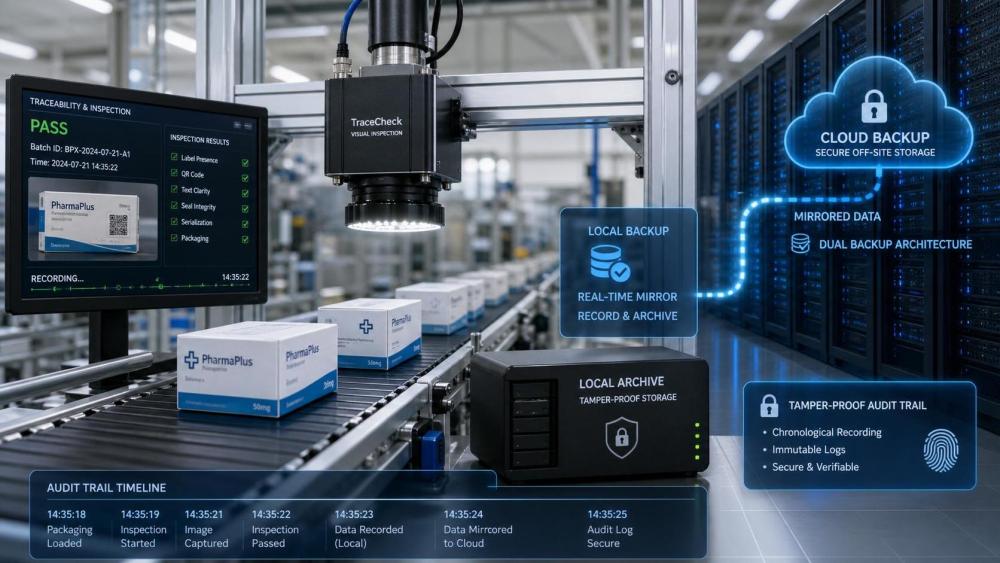
According to the information provided, the FDA updated the implementation guidance for food traceability equipment on July 8, 2026. In that update, it for the first time clearly required that Traceability Vision Systems used on food and pharmaceutical packaging lines must support tamper-proof, time-sequenced audit logs.
The confirmed logging scope includes user operations, parameter changes, and records that show when image archiving is triggered. The update also clarifies that these logs must be stored independently with dual backup at the equipment local level and in the cloud.
The same input information indicates that the new requirement will affect FDA registration filings by Chinese suppliers and GMP inspection preparation by U.S. importers.
Where the rule change is likely to reach first
For equipment suppliers serving packaging lines
From an industry perspective, suppliers of Traceability Vision Systems may be affected first because the update speaks directly to system capability and logging architecture. The practical impact is likely to appear in product specifications, compliance documentation, software configuration, and delivery scope. What deserves closer attention is whether supplied systems can demonstrate tamper-proof chronological records for user actions, parameter adjustments, and image archive triggers, as these points now sit closer to the compliance baseline described in the update.
For Chinese exporters preparing FDA-related filings
Analysis shows that Chinese suppliers involved in FDA registration preparation may need to review whether existing filing materials, technical descriptions, and supporting records properly reflect the audit trail function now highlighted by the FDA. The issue is not limited to hardware shipment; it also touches the completeness of technical files, system descriptions, and any compliance statements tied to traceability features on packaging lines.
For U.S. importers preparing for GMP audits
U.S. importers may feel the impact through GMP audit preparation because the update links audit trail expectations more directly to packaging-line traceability systems. Observably, import-side preparation may need to pay closer attention to whether installed or sourced systems can present independent local and cloud log backups and whether the relevant records are organized in a way that supports inspection review.
For procurement and delivery coordination
Procurement teams and supply chain service providers may also need to reassess technical purchasing terms. Where equipment selection previously focused on inspection performance alone, the update suggests that audit trail design, storage arrangement, and evidence retention may now require clearer treatment in purchase specifications, acceptance criteria, and handover documentation. This may influence supplier qualification checks and delivery readiness for projects tied to the U.S. market.
Practical points companies should review now
Check whether technical files match the clarified logging scope
Analysis shows that companies should first compare their existing technical descriptions against the clarified elements named in the update: user operations, parameter changes, and image archiving trigger records. If these elements are not clearly reflected in product documents or compliance materials, that gap may become more visible during filing or audit preparation.
Review how backup architecture is described and evidenced
What deserves closer attention is the requirement for independent storage with local and cloud dual backup. If current sales documents, tender materials, or compliance files describe storage only in broad terms, companies may need to prepare clearer supporting explanations and records. The input does not provide detailed enforcement criteria, so this should be treated as a compliance focus area rather than an already settled inspection checklist.
Prepare for closer questions during registration and audit readiness work
Observably, this update may lead to more detailed questions around how audit trails are generated, retained, and retrieved. Exporters, importers, and after-sales teams should therefore pay attention to document consistency across filing materials, equipment configuration records, and service support documentation used in audit preparation.
Watch for downstream changes in buyer requirements
From an industry perspective, companies should also monitor whether the clarified FDA position begins to appear in customer technical specifications, qualification questionnaires, procurement documents, or acceptance requirements. The current input does not confirm such downstream changes yet, so this remains an area to watch rather than a confirmed market-wide result.
How this signal should be read at this stage
Analysis shows that this update is more than a routine wording change because it identifies specific audit trail expectations for Traceability Vision Systems on food and pharmaceutical packaging lines. At the same time, it is more appropriate to understand this as a compliance signal with immediate practical relevance, not as a fully mapped enforcement outcome. The confirmed facts establish the direction of the requirement, while the exact execution approach in filings, inspections, buyer documents, and project delivery still requires observation.
Observably, the industry should pay continued attention to later official wording, certification and audit interpretation, tender document updates, and company implementation feedback. Those elements will determine how uniformly the clarified requirement is applied in day-to-day transactions and compliance reviews.
What the update means for current market preparation
At this stage, the July 8 FDA update is best understood as a rule clarification with operational consequences for packaging-line traceability equipment connected to food and pharmaceutical applications. It does not justify broad conclusions beyond the provided facts, but it does indicate that audit trail integrity, chronological logging, and dual backup design are moving closer to the center of compliance review. For affected suppliers and import-side operators, the more rational approach is to treat this as an active execution signal and keep watching how it is reflected in filings, audits, procurement documents, and delivery expectations.
Basis and verification status of this article
This article is generated based on the user-provided news title, event date, and event summary. The factual basis used here is limited to the stated FDA update dated July 8, 2026, the clarified requirement for tamper-proof time-sequenced audit logs covering user operations, parameter changes, and image archiving trigger records, the requirement for independent local and cloud dual backup, and the stated impact on FDA registration preparation by Chinese suppliers and GMP audit preparation by U.S. importers.
Source types commonly relevant to this kind of development may include official regulatory notices, regulator-issued guidance documents, trade or customs authority releases, industry association updates, standard-setting documents, and reporting by established professional media. A specific official source link was not provided in the input, so continued verification remains necessary. What still needs to be watched includes follow-up policy detail, certification and audit interpretation, procurement document changes, industry feedback, and how companies implement the requirement in practice.