Micro-process & Surface Compliance
-
 2026-07-06
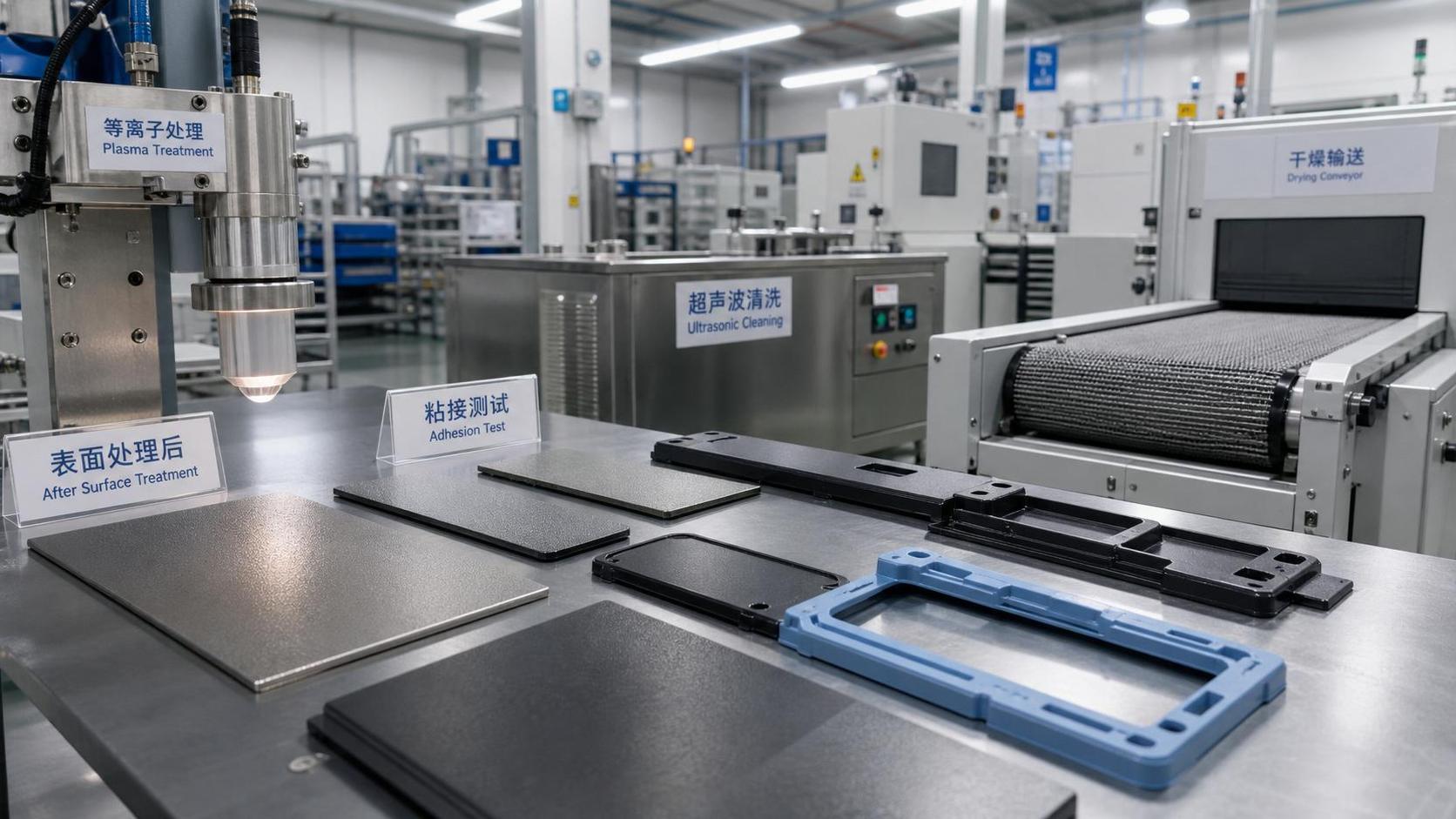
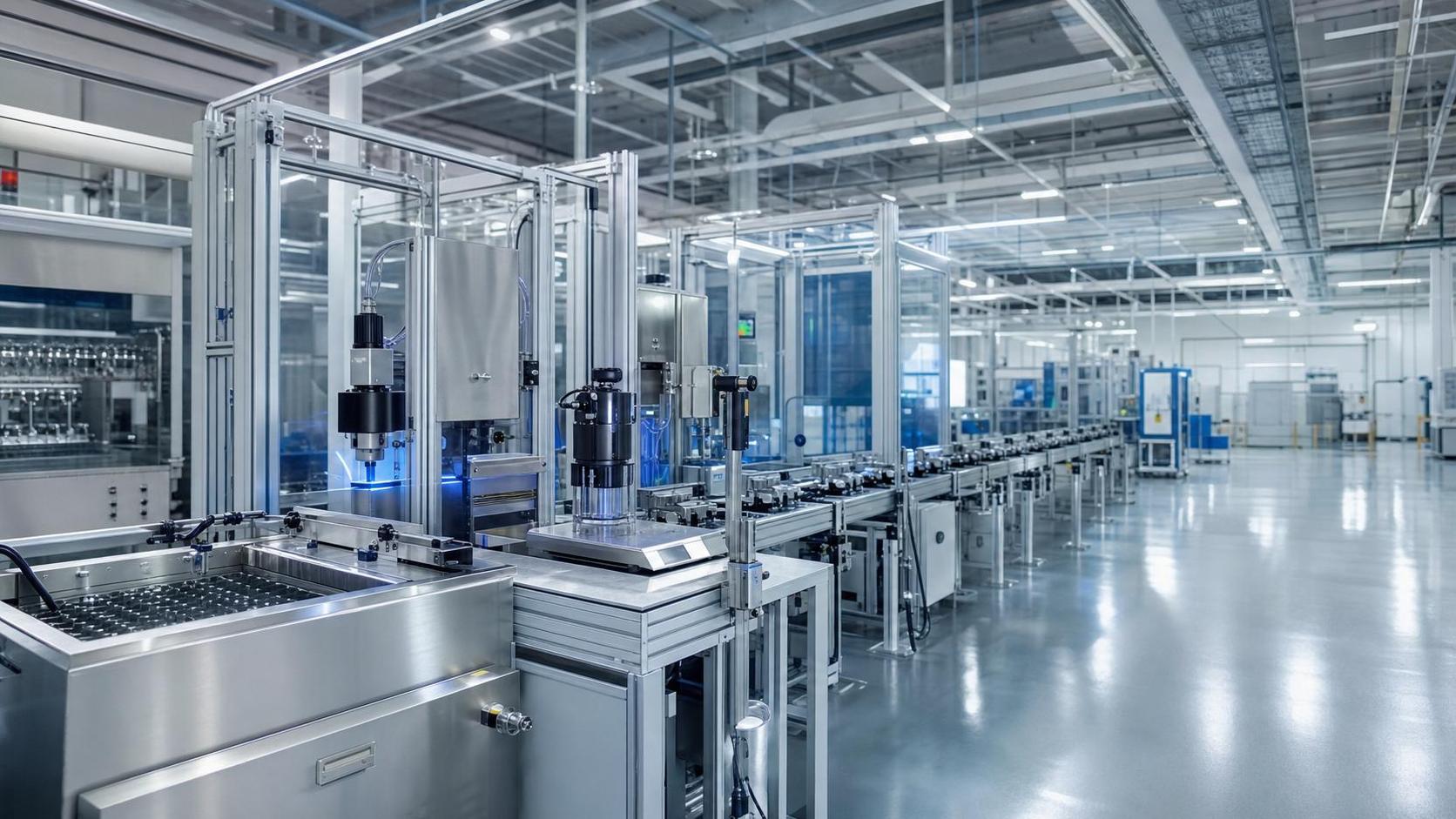
Surface Treatment Engineering for Adhesion Improvement: Key Factors Behind Stronger Bonds
Surface treatment engineering adhesion improvement starts at the surface. Learn how cleaning, activation, roughening, and primers create stronger, more reliable bonds across materials.
-
 2026-07-04
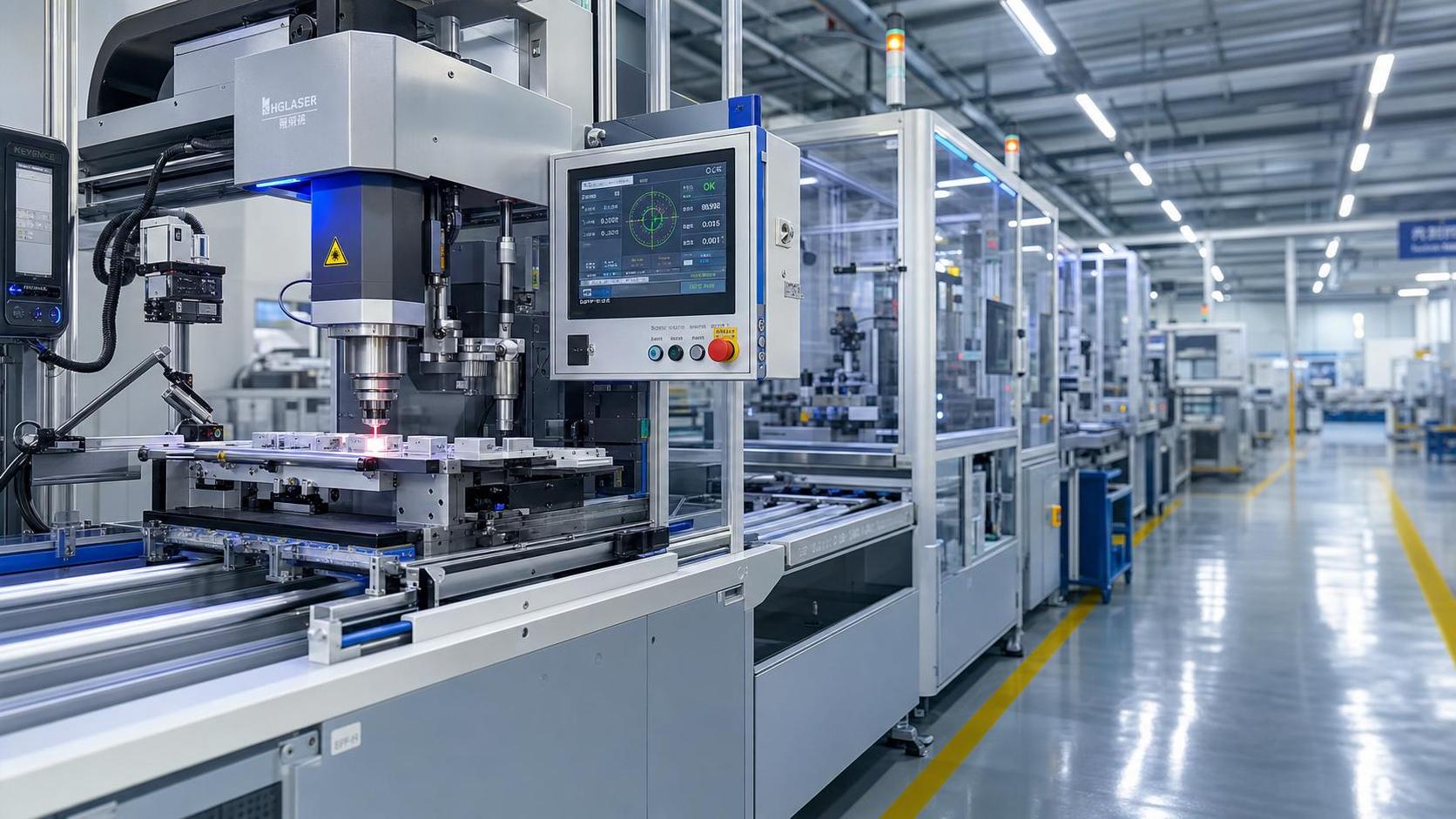
How to Evaluate Precision Industrial Equipment for High-Accuracy Production
Precision industrial equipment high accuracy starts with the right evaluation method. Learn how to compare repeatability, control systems, trials, and supplier support for smarter production decisions.
-
 2026-07-03
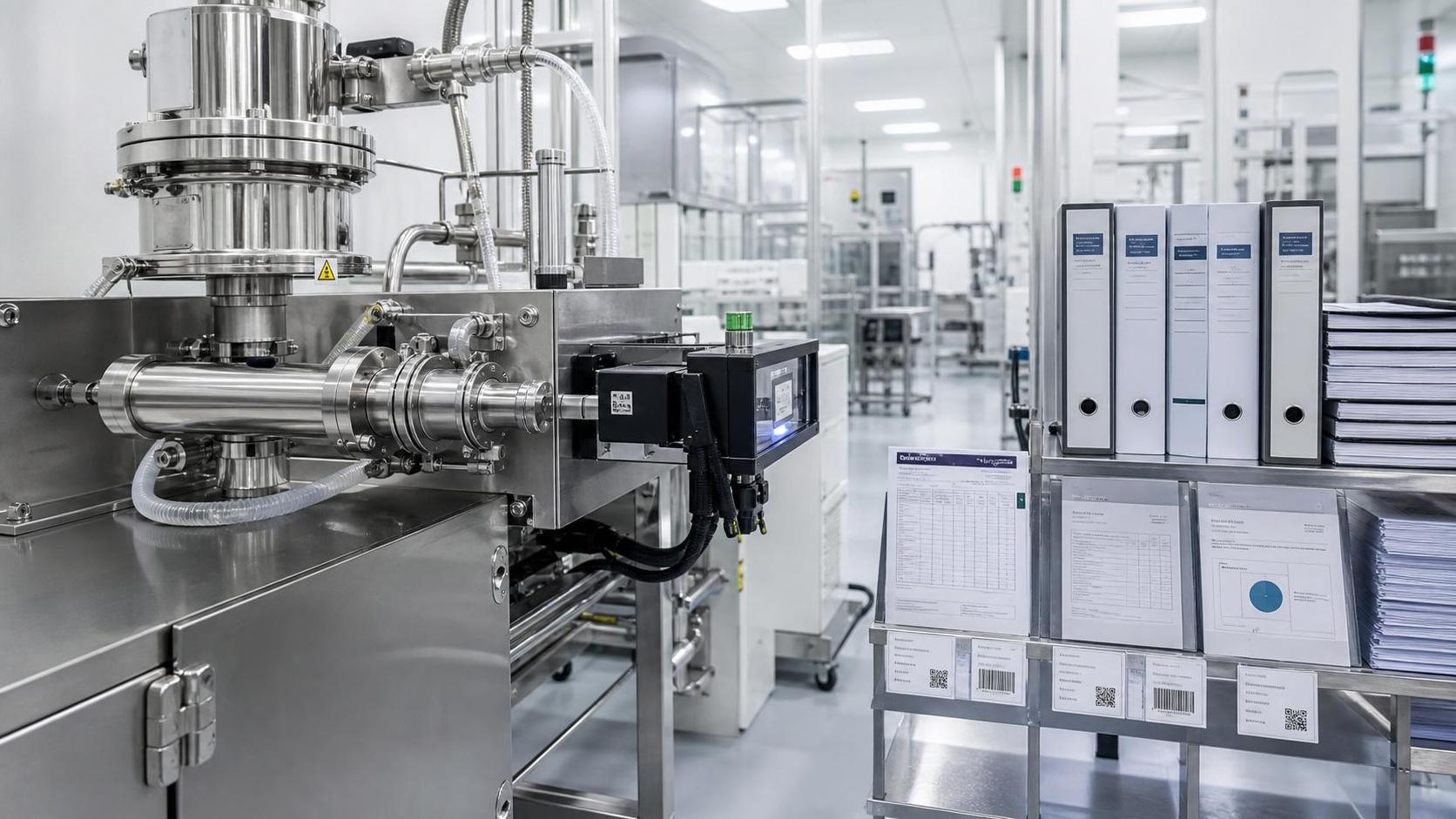
Industrial Process Validation FDA: Core Documentation and Common Audit Gaps
Industrial process validation FDA essentials: learn the core documentation auditors expect, common compliance gaps, and practical steps to strengthen audit readiness.
-
 2026-07-02
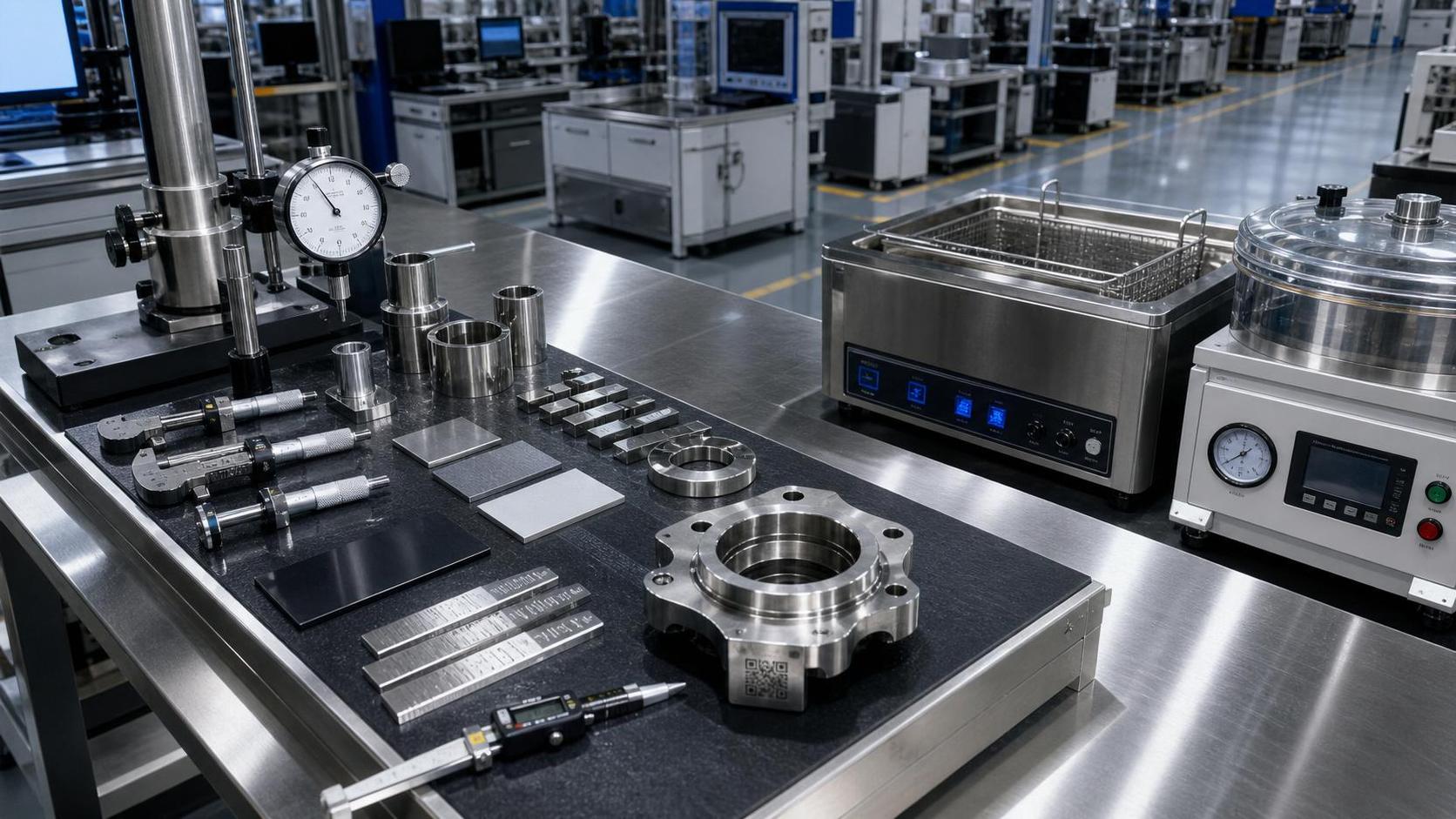
Industrial Process Standards Explained: How to Read Specs, Tolerances, and Test Criteria
Industrial process standards explained: learn how to read specs, tolerances, and test criteria to reduce risk, improve compliance, and make smarter manufacturing decisions.
-
 2026-07-01
Precision Process Engineering: Key Tolerances, Control Points, and Validation Steps
Precision process engineering explained through key tolerances, control points, and validation steps to improve quality, compliance, and repeatable manufacturing performance.
-
 2026-07-01
How to Evaluate Smart Factory Auxiliary Systems Integration for Retrofit Projects
Smart factory auxiliary systems integration for retrofit projects: learn how to assess compatibility, data readiness, compliance, and ROI to reduce risk and improve long-term factory performance.
-
 2026-06-30
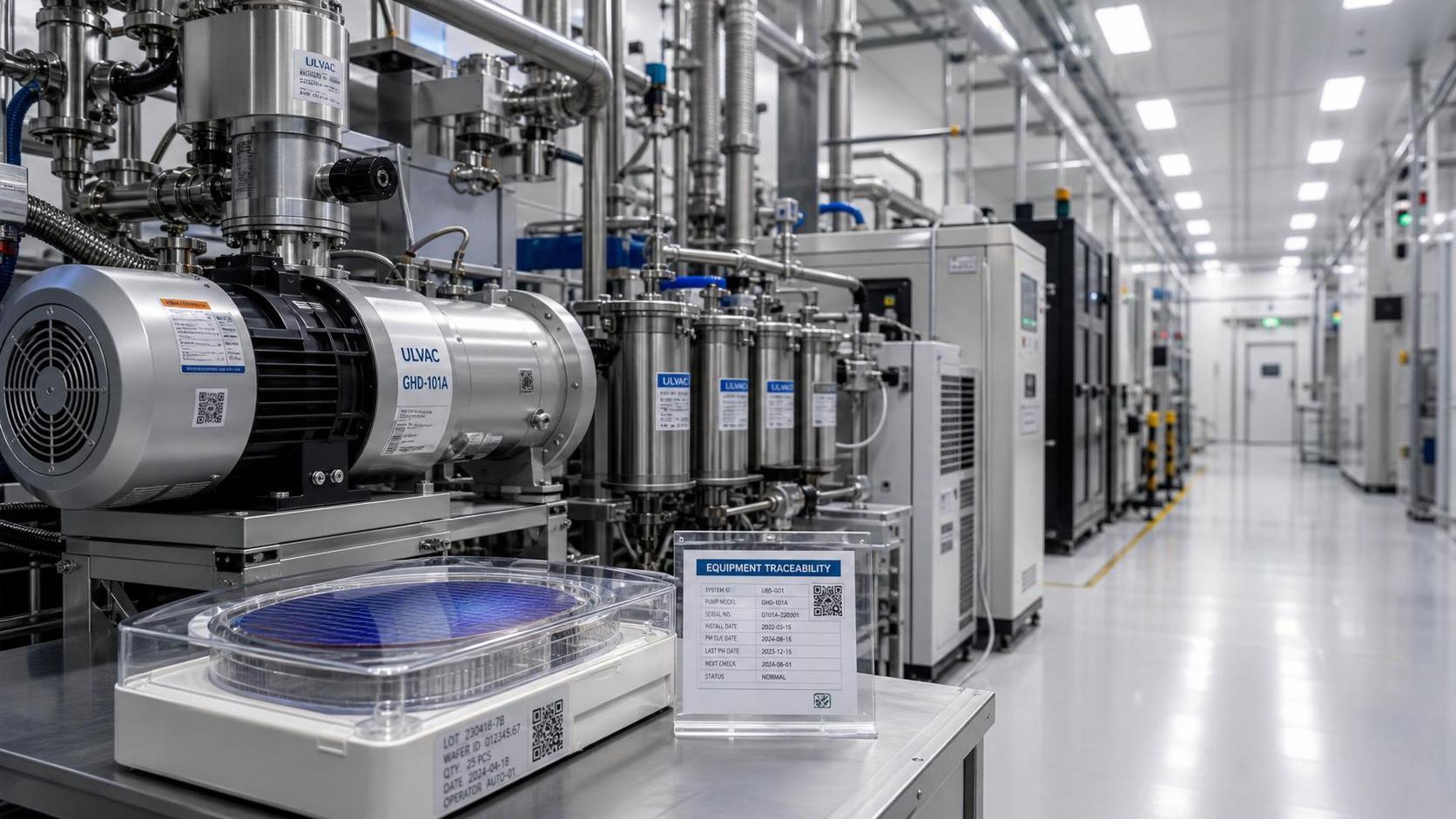
How to Evaluate a Semiconductor Processing Support Supplier for Quality and Response Time
Semiconductor processing support supplier selection starts with quality and response time. Learn how to compare risk, uptime, service capability, and total cost before you buy.
-
 2026-06-28
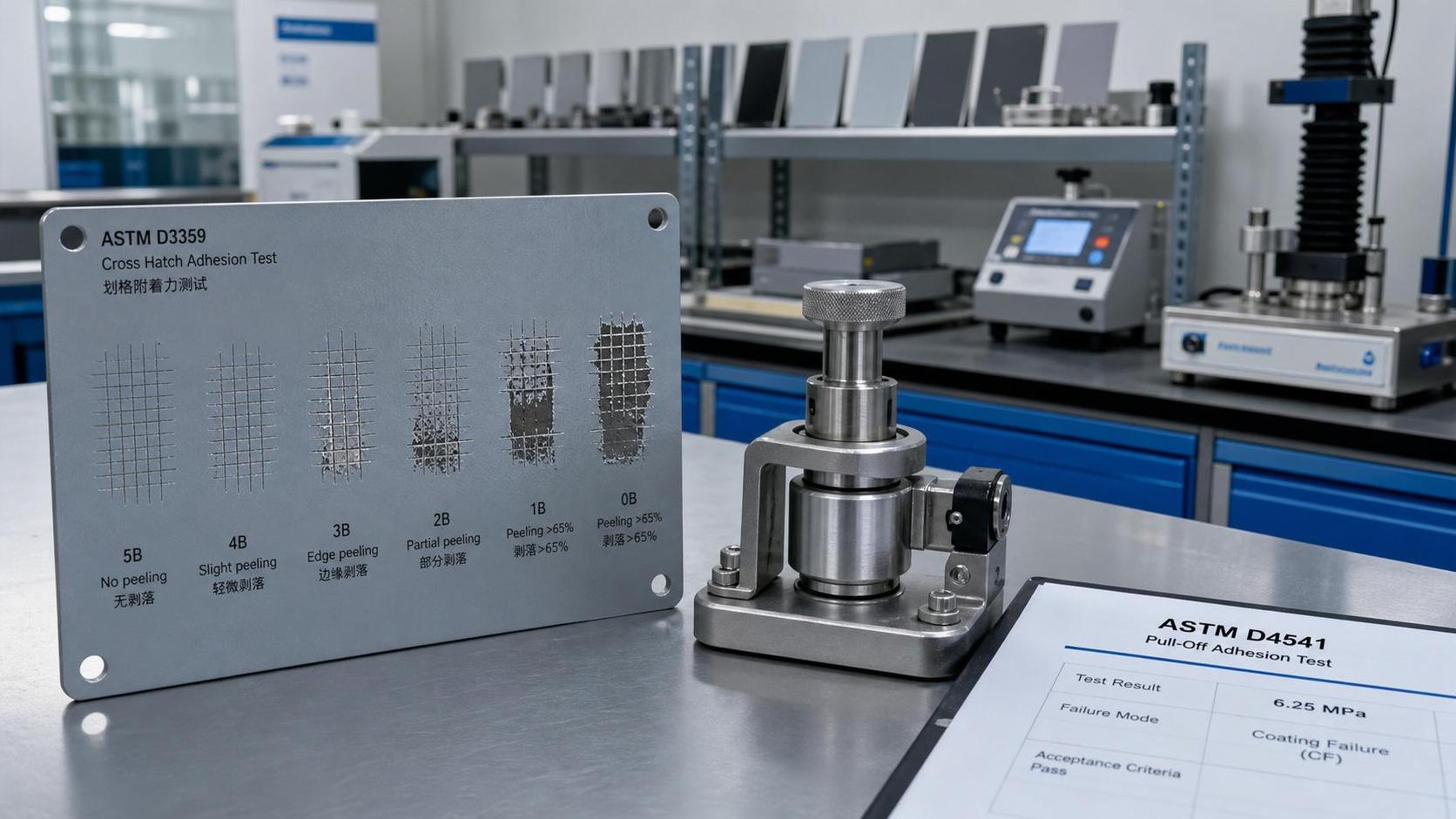
ASTM Coating Adhesion Performance Explained: Test Methods, Ratings, and Failure Clues
Coating adhesion performance ASTM explained: compare ASTM D3359 and D4541, understand ratings, spot early failure clues, and improve coating reliability with practical insights.
-
 2026-06-27
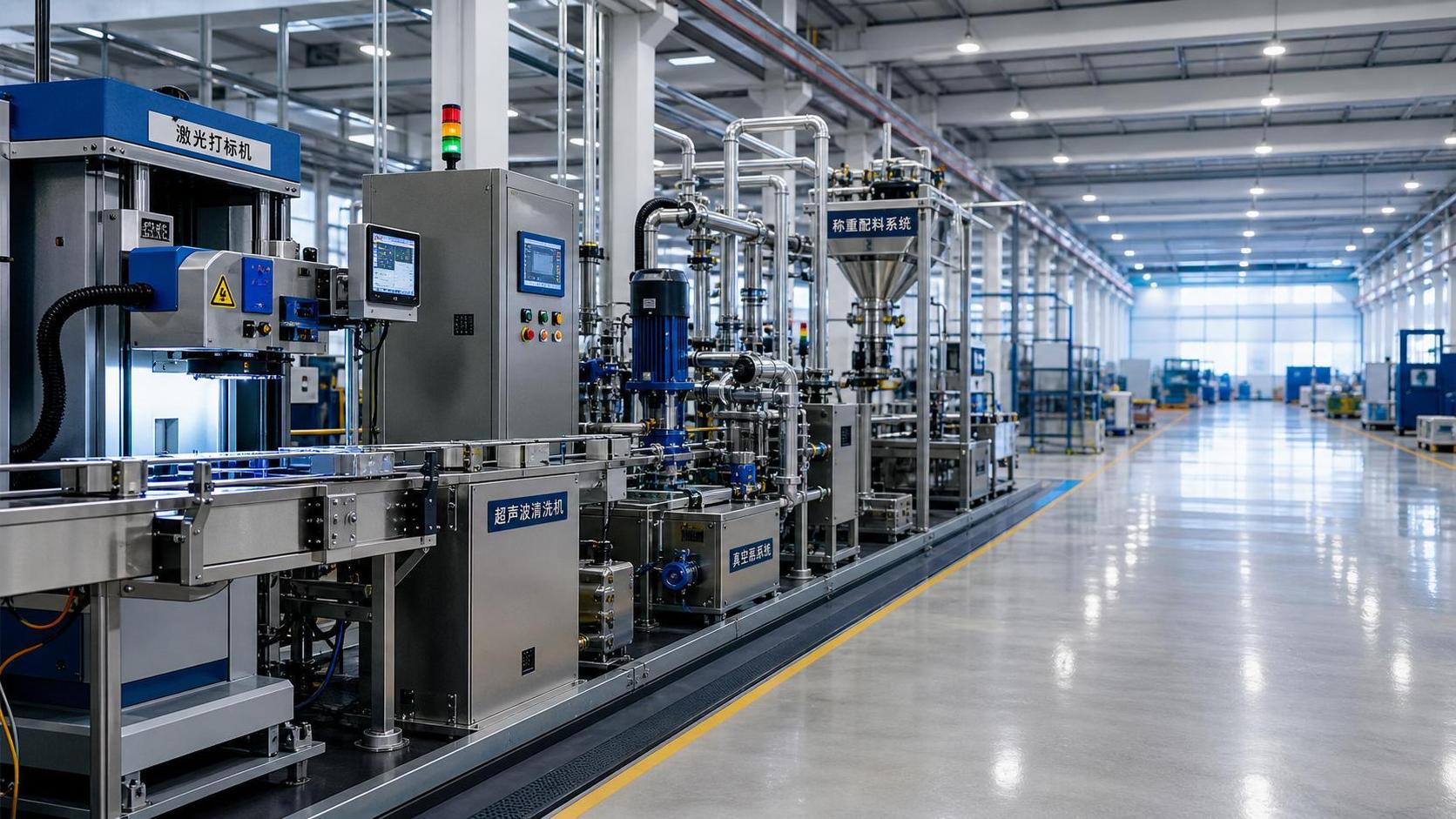
What Process Support Systems Manufacturing Includes and Why It Matters in Production
Process support systems manufacturing explained: discover how cleaning, coding, batching, vacuum, and surface control improve quality, compliance, and production consistency.
-
 2026-06-26
Industrial Process Auxiliary Systems: Which Utilities Matter Most in Plant Design?
Industrial process auxiliary systems can make or break plant performance. Learn which utilities—vacuum, weighing, cleaning, marking, and coating—matter most for quality, compliance, and ROI.