
How to Evaluate a Semiconductor Processing Support Supplier for Quality and Response Time
Choosing the right semiconductor processing support supplier can directly affect equipment uptime, wafer quality, and delivery reliability.
For procurement decisions, price matters, but it is rarely the whole story.
A low quote can become expensive when response is slow, parts fail early, or process drift causes hidden losses.
That is why supplier evaluation should focus on operational risk, not just purchase cost.
This guide explains how to compare a semiconductor processing support supplier in a practical, structured way.
Why Supplier Quality and Response Time Matter
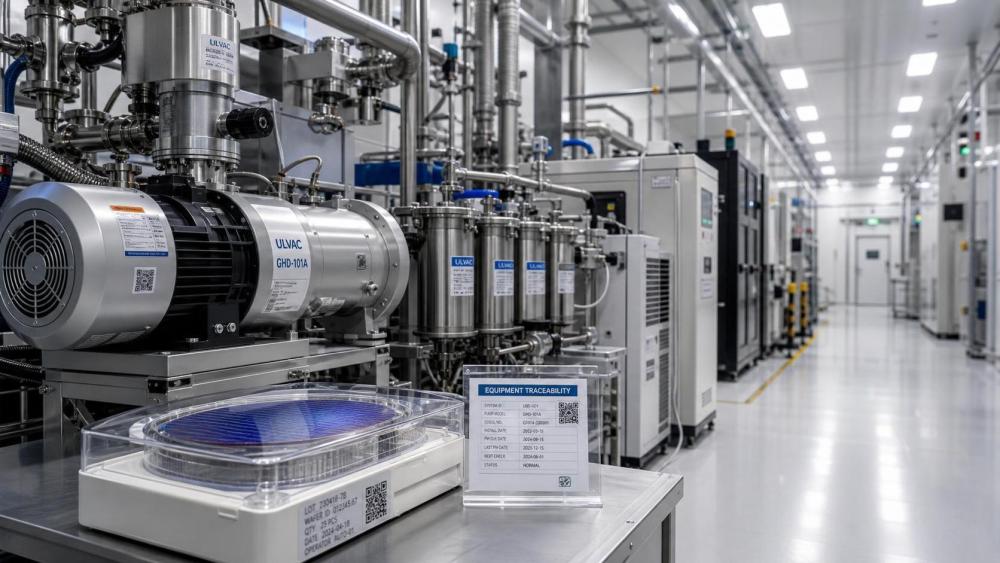
Semiconductor factories depend on stable support systems around the main tools.
Vacuum pumps, gas handling, cleaning units, filtration, cooling, and traceability systems all influence yield.
When one support system becomes unstable, the effect can spread quickly across production.
In actual purchasing work, the strongest suppliers are usually consistent in two areas.
- They maintain process quality over time.
- They respond fast when conditions change.
A capable semiconductor processing support supplier reduces unplanned downtime, controls contamination risk, and protects schedule commitments.
This also means fewer emergency purchases, fewer escalation calls, and better cost visibility.
Start with Process Fit, Not Vendor Claims
Before comparing suppliers, define the exact support requirement.
Many sourcing mistakes happen because the purchase brief is too general.
For example, two vacuum solutions may look similar on paper but behave differently under cleanroom conditions.
A semiconductor processing support supplier should be evaluated against your real application profile.
Key process-fit questions
- What process step will the support system serve?
- What cleanliness level and contamination limits apply?
- What uptime target is required by production planning?
- What maintenance interval is acceptable?
- What certification, material, and compliance records are mandatory?
A reliable semiconductor processing support supplier will ask technical questions early.
That is often a better sign than a fast quote with little detail.
How to Judge Quality Beyond the Datasheet
Datasheets are useful, but they rarely show how a supplier performs under pressure.
To assess quality, look for evidence of repeatability, traceability, and control discipline.
What to request during evaluation
- Incoming material inspection records.
- Final test protocols and acceptance criteria.
- Calibration methods for critical measurements.
- Nonconformance handling procedures.
- Corrective action examples from recent cases.
- Batch or serial traceability methods.
A strong semiconductor processing support supplier should provide clear records without excessive delay.
If documents arrive incomplete, inconsistent, or heavily edited, treat that as a warning sign.
Another useful signal is field performance history.
Ask for references in similar process environments, especially where uptime requirements are high.
The goal is to verify that quality is systemic, not occasional.
Measure Response Time Like an Operational KPI
Response time should be evaluated with the same seriousness as product quality.
In semiconductor operations, delayed support can lead to scrap, missed output, and long restart cycles.
A semiconductor processing support supplier may promise fast service, but procurement needs measurable proof.
Response metrics worth checking
- Quote turnaround time for standard and custom requests.
- Technical reply time after issue reporting.
- Spare part shipment lead time.
- On-site service mobilization time by region.
- Root-cause analysis completion time.
From recent market changes, response capability has become a bigger differentiator.
Supply chains remain uneven, and technical teams are often stretched across regions.
That is why a semiconductor processing support supplier with local inventory or regional service coverage often carries lower risk.
Review Service Infrastructure and Escalation Ability
Not every service team can support high-mix, high-precision manufacturing.
A supplier may have good products but weak escalation structure.
When a process issue affects production, that weakness appears quickly.
What to inspect
- Regional service centers and spare stock locations.
- Availability of remote diagnostics.
- Named technical contacts for escalation.
- Support coverage outside normal working hours.
- Training capability for maintenance and operators.
A mature semiconductor processing support supplier will show how issues move from first report to final closure.
Ask for a sample escalation workflow.
This reveals whether support is reactive or genuinely organized.
Compare Total Cost, Not Just Unit Price
For procurement teams, cost pressure is real.
Still, a semiconductor processing support supplier should be compared on total operating value.
A lower purchase price can be offset by slower maintenance, higher defect risk, or shorter component life.
Use a total-cost checklist
This approach creates a more defensible supplier comparison, especially during internal approval reviews.
Ask Better Questions During Supplier Qualification
Good qualification questions reveal how a semiconductor processing support supplier behaves when conditions are less than ideal.
That is usually where long-term differences become visible.
- What failure modes appear most often in similar installations?
- How do you control quality variation across production batches?
- What is your standard response path for urgent technical issues?
- Which parts are stocked locally, and which are built to order?
- Can you share one case where corrective action improved field reliability?
The answers should be specific, documented, and technically grounded.
Vague confidence is not a substitute for operational evidence.
Build a Practical Evaluation Framework
A practical scorecard helps keep supplier selection objective.
It also makes internal communication easier across engineering, quality, and sourcing teams.
Suggested scoring areas
- Process compatibility.
- Documented quality control.
- Response time performance.
- Service network strength.
- Compliance and traceability support.
- Total cost of ownership.
Weight the categories according to production risk.
For a critical utility, response speed may deserve more weight than price.
For a less sensitive application, cost may carry more influence.
Final Decision: Choose the Supplier That Reduces Risk
The best semiconductor processing support supplier is not simply the one with the lowest quote.
It is the supplier that supports stable output, fast recovery, and dependable long-term service.
In practice, the strongest purchasing decisions come from combining technical fit, service evidence, and total-cost analysis.
Use a structured checklist, verify documents, and test response claims before committing.
That approach gives your team a clearer path to selecting a semiconductor processing support supplier that can protect quality, delivery, and cost control at the same time.