• Batching Capital & Yield Insights

  • Traceability & Vacuum Thermodynamics

  • Micro-process & Surface Compliance

  • Surface Treatment

  • Vacuum Pumps & Systems

  • Weighing & Batching

  • Marking & Coding Mach

  • Ultrasonic Systems

    
    Location: Home > Batching Capital & Yield Insights
    • Industrial Automation Systems in Pharmaceuticals: How to Validate for GMP Workflows
      2026-07-15

      Industrial Automation Systems in Pharmaceuticals: How to Validate for GMP Workflows

      Industrial automation systems pharmaceuticals teams rely on must be validated for GMP. Learn how to match IQ/OQ/PQ depth, protect data integrity, and reduce audit, traceability, and batch risks.

    • Industrial IoT Integration in Germany: Key Systems, Risks, and ROI Factors
      2026-07-13

      Industrial IoT Integration in Germany: Key Systems, Risks, and ROI Factors

      Industrial IoT integration Germany: learn which systems to connect first, the biggest risks to avoid, and the ROI factors that drive faster, smarter plant investment.

    • Industrial Process Control in Food Processing: Key Points for Accuracy, Hygiene, and Compliance
      2026-07-11

      Industrial Process Control in Food Processing: Key Points for Accuracy, Hygiene, and Compliance

      Industrial process control food processing explained: improve accuracy, hygiene, traceability, and compliance with practical control points that reduce risk and strengthen daily operations.

    • Advanced Manufacturing Technologies in Semiconductors: What Improves Yield Most?
      2026-07-10

      Advanced Manufacturing Technologies in Semiconductors: What Improves Yield Most?

      Advanced manufacturing technologies semiconductors rely on most can improve yield through vacuum stability, precision cleaning, traceability, and process control—discover which upgrades deliver the highest ROI.

    • How to Choose Industrial Process Monitoring Software for Multi-Line Manufacturing
      2026-07-09

      How to Choose Industrial Process Monitoring Software for Multi-Line Manufacturing

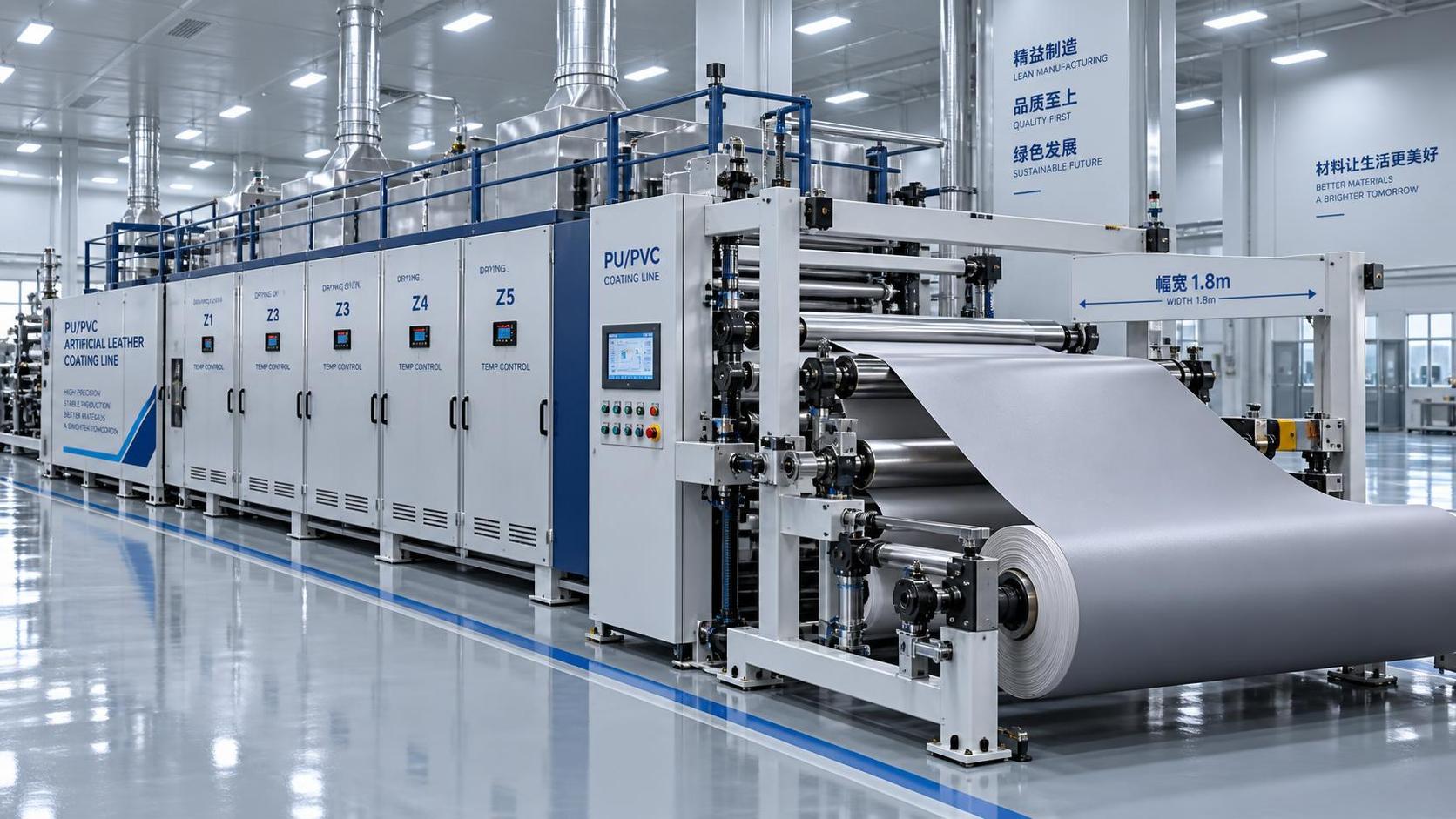
      Industrial process monitoring software for multi-line manufacturing: learn how to compare integration, real-time alerts, traceability, and scalability to choose a system that improves quality and uptime.

    • How to Evaluate an Industrial Auxiliary Systems Supplier for Multi-Line Manufacturing
      2026-07-07

      How to Evaluate an Industrial Auxiliary Systems Supplier for Multi-Line Manufacturing

      Industrial auxiliary systems supplier selection starts with process fit, service, and lifecycle cost. Learn how to assess technical depth, compliance, uptime support, and multi-line reliability.

    • Industrial Process Optimization Cost: What to Measure Before Approving a Project
      2026-07-05

      Industrial Process Optimization Cost: What to Measure Before Approving a Project

      Industrial process optimization cost starts with the right metrics. Learn what to measure before approval to justify ROI, reduce risk, and make smarter factory investment decisions.

    • How Maintenance Free Design for Factories Cuts Downtime in High-Use Production Areas
      2026-07-05

      How Maintenance Free Design for Factories Cuts Downtime in High-Use Production Areas

      Maintenance free design for factories helps cut downtime in high-use production areas, improve quality stability, and lower lifecycle costs. See how smarter design boosts uptime.

    • How to Evaluate an Advanced Manufacturing Systems Supplier for Multi-Process Projects
      2026-07-03

      How to Evaluate an Advanced Manufacturing Systems Supplier for Multi-Process Projects

      Advanced manufacturing systems supplier selection starts with process integration, not price. Learn how to compare capabilities, reduce risk, and choose a partner for stable multi-process performance.

    • What Drives Vacuum Degassing Cost in Production: Equipment, Cycle Time, and Utilities
      2026-07-02

      What Drives Vacuum Degassing Cost in Production: Equipment, Cycle Time, and Utilities

      Vacuum degassing cost depends on equipment design, cycle time, and utilities. Learn the real cost drivers, avoid hidden losses, and choose a smarter production setup.

    Industries

    • Privacy Policy

    • Links

    • Contact Us

    • About

    • Home

    Resource

    • Ultrasonic Systems

    • Marking & Coding Mach

    • Weighing & Batching

    • Vacuum Pumps & Systems

    • Surface Treatment

    • Micro-process & Surface Compliance

    • Traceability & Vacuum Thermodynamics

    • Batching Capital & Yield Insights

    GIAS
    Global General Industrial Auxiliary Systems (GIAS) is a specialized B2B intelligence portal focused on industrial auxiliary equipment and process-support systems used across advanced manufacturing. The platform covers ultrasonic cleaning and welding, laser marking, inkjet coding, industrial weighing and batching, vacuum pumps, vacuum systems, surface treatment, and electrostatic coating technologies.

    GIAS serves equipment manufacturers, factory engineers, procurement managers, quality control teams, compliance officers, exporters, investors, and industrial solution providers that need reliable information about process quality, traceability, coating performance, cleaning precision, and production consistency. These auxiliary systems may not always appear at the center of a production line, but they directly affect product yield, safety, compliance, brand identity, and long-term manufacturing reliability.

    The platform’s core mission is to help global manufacturers understand how microscopic process control improves final product quality. Ultrasonic systems remove micron-level contaminants from precision parts and weld plastic components without adhesives. Laser marking and inkjet coding systems create permanent product identification for traceability and anti-counterfeiting. Industrial weighing and batching systems ensure accurate recipe control in food, pharmaceuticals, chemicals, and lithium battery production. Vacuum systems support semiconductor processing, freeze-drying, packaging, coating, and degassing. Surface treatment and electrostatic coating technologies improve corrosion resistance, appearance, and environmental compliance.

    GIAS combines industry news, technology analysis, compliance insight, market trends, supplier visibility, and application-based content. It helps buyers evaluate equipment performance, compare process technologies, understand regulatory requirements, and identify reliable suppliers. For manufacturers and exporters, GIAS provides a professional platform to communicate technical capability, product advantages, certifications, case studies, and global market readiness.

    By organizing complex auxiliary equipment topics into clear, searchable, and professionally written content, GIAS supports both human decision-making and digital discoverability. Its content structure is suitable for search engines, AI answer platforms, procurement research, and international B2B marketing. The platform is built around the principle that final product quality depends not only on primary machines, but also on the precision, cleanliness, identification, batching accuracy, vacuum stability, and surface protection delivered by auxiliary systems.
    Copyright © Global General Industrial Auxiliary Systems

    Site Index