
On June 2, 2026, Indonesia’s anti-dumping authority issued a final ruling imposing anti-dumping duties of up to 18.01% on polypropylene homopolymer from China under HS code 3902.10.40. For the Plasma Surface Treatment segment, this matters because the material is used in insulating parts, chamber structures, and substrate materials for plasma-etch-resistant coatings, which means procurement, system assembly, and export pricing tied to the Indonesian market now deserve closer attention.
The ruling and the material in scope
The confirmed development is that Indonesia has finalized anti-dumping duties on Chinese polypropylene homopolymer, with the highest rate reaching 18.01%. The product referenced in the input is classified under HS code 3902.10.40.
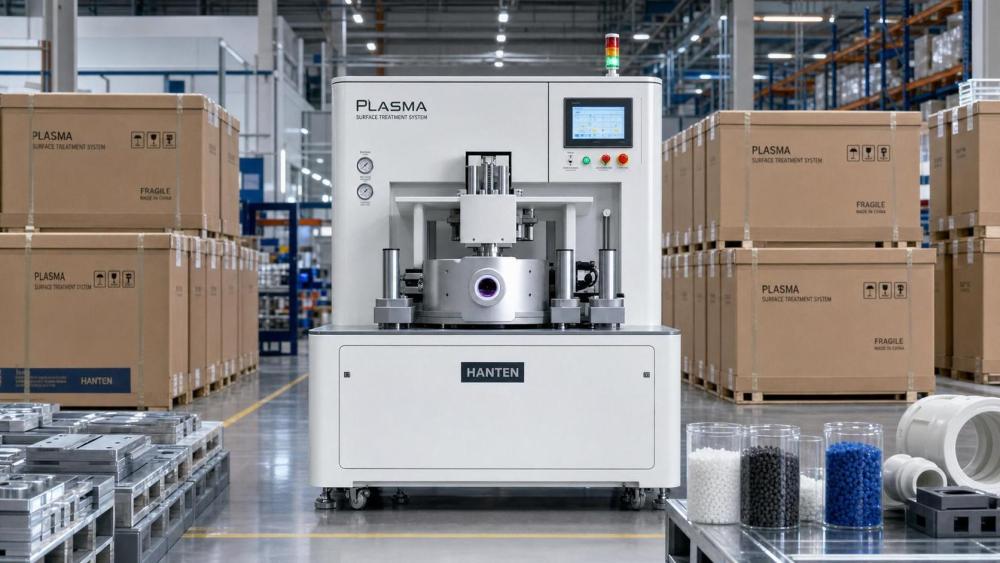
The same material is described as being widely used in Plasma Surface Treatment equipment, especially in insulating components, chamber structures, and substrate materials for coatings designed to resist plasma etching.
The provided event summary also states that the measure will raise the cost for Southeast Asian local assembly plants purchasing supporting parts from China, and that it will affect terminal quotations and delivery competitiveness for Plasma Surface Treatment systems exported to Indonesia.
Where cost pressure may emerge first
Pressure on component-linked procurement
From an industry perspective, the most immediate impact may fall on procurement activities connected to parts and assemblies that depend on polypropylene homopolymer inputs. If those parts are sourced from China or priced against Chinese supply, cost calculations for Indonesian-facing business may need to be revisited.
Assembly operations in Southeast Asia
Analysis shows that local assembly plants in Southeast Asia are a key point of exposure because the provided information directly notes higher costs when purchasing supporting parts from China. In practice, this may affect purchasing budgets, parts selection, and the economics of local assembly for systems intended for Indonesia.
Export pricing for Plasma Surface Treatment systems
For exporters of Plasma Surface Treatment systems, the relevant issue is not only material cost itself but how that cost moves into final quotations. What deserves closer attention is whether higher input and component costs reduce price competitiveness or complicate delivery offers into the Indonesian market.
Customer-facing delivery discussions
Service providers, sales teams, and procurement-side contacts may also feel the effect through quotation reviews and delivery negotiations. Observably, the issue is likely to surface where customers compare lead time, component origin, and final system pricing for Indonesia-bound projects.
What companies should monitor now
Watch the exact scope of implementation
Analysis shows that companies should closely monitor how the final ruling is applied in actual transactions, especially around the covered product category and documentation tied to HS code 3902.10.40. The operational impact often depends on how customs treatment and product classification align with real shipments.
Review parts exposure in Indonesia-bound orders
Businesses involved in Plasma Surface Treatment equipment should identify which insulating parts, chamber structures, or coating substrate-related items may be exposed to the duty effect. This is particularly relevant for orders assembled in Southeast Asia and delivered into Indonesia.
Recheck quotation and delivery assumptions
What deserves closer attention is the difference between a policy measure and its translation into project-level execution. Companies may need to recheck pricing validity periods, procurement assumptions, and delivery commitments where Chinese supporting parts are part of the supply chain.
Prepare customer and supplier communication
Observably, supplier documents, product descriptions, and fulfillment timing may become more important in customer communication. Teams handling sales, procurement, and order execution should be prepared to explain cost changes, shipment arrangements, and any adjustments affecting Indonesia-facing deliveries.
Why this looks like both a current cost issue and a policy signal
Analysis shows that this development already has a concrete outcome because the ruling is described as final, rather than tentative. At the same time, it is more appropriate to understand this as both an immediate cost factor and a policy signal for businesses that rely on Chinese material or component inputs in the Indonesian market.
Observably, the current information does not by itself establish how broad the downstream adjustment will become across all Plasma Surface Treatment supply arrangements. That is why the development should not be overstated, but it also should not be treated as a narrow customs detail with no commercial effect.
How the market may best read this development
At this stage, the news is best understood as a targeted trade measure with direct relevance for material-linked components in Plasma Surface Treatment equipment and for Indonesia-bound pricing decisions. The confirmed point is the duty action and its immediate cost implications described in the input; the broader commercial impact still requires continued observation through procurement, quoting, and delivery activity.
Basis of this report
This article is generated from the user-provided news title, event date, and event summary. The specific official source link was not provided in the input, so the underlying announcement and any related implementation details still need continued verification.
For this type of development, commonly relevant source categories may include official government notices, company disclosures, industry association updates, authoritative media reports, and classification or standards-related documents. Further follow-up should focus on subsequent official wording, practical application in trade and customs processes, and any additional market clarification affecting Plasma Surface Treatment supply chains.