
Location: Home > Surface Treatment
 Plasma Surface TreatmentWhich Pretreatment Improves Powder Coating Adhesion?Which pretreatment improves powder coating adhesion? Discover how cleaning, phosphate coatings, conversion treatments, and blasting create durable, corrosion-resistant finishes.Sep 11, 2026
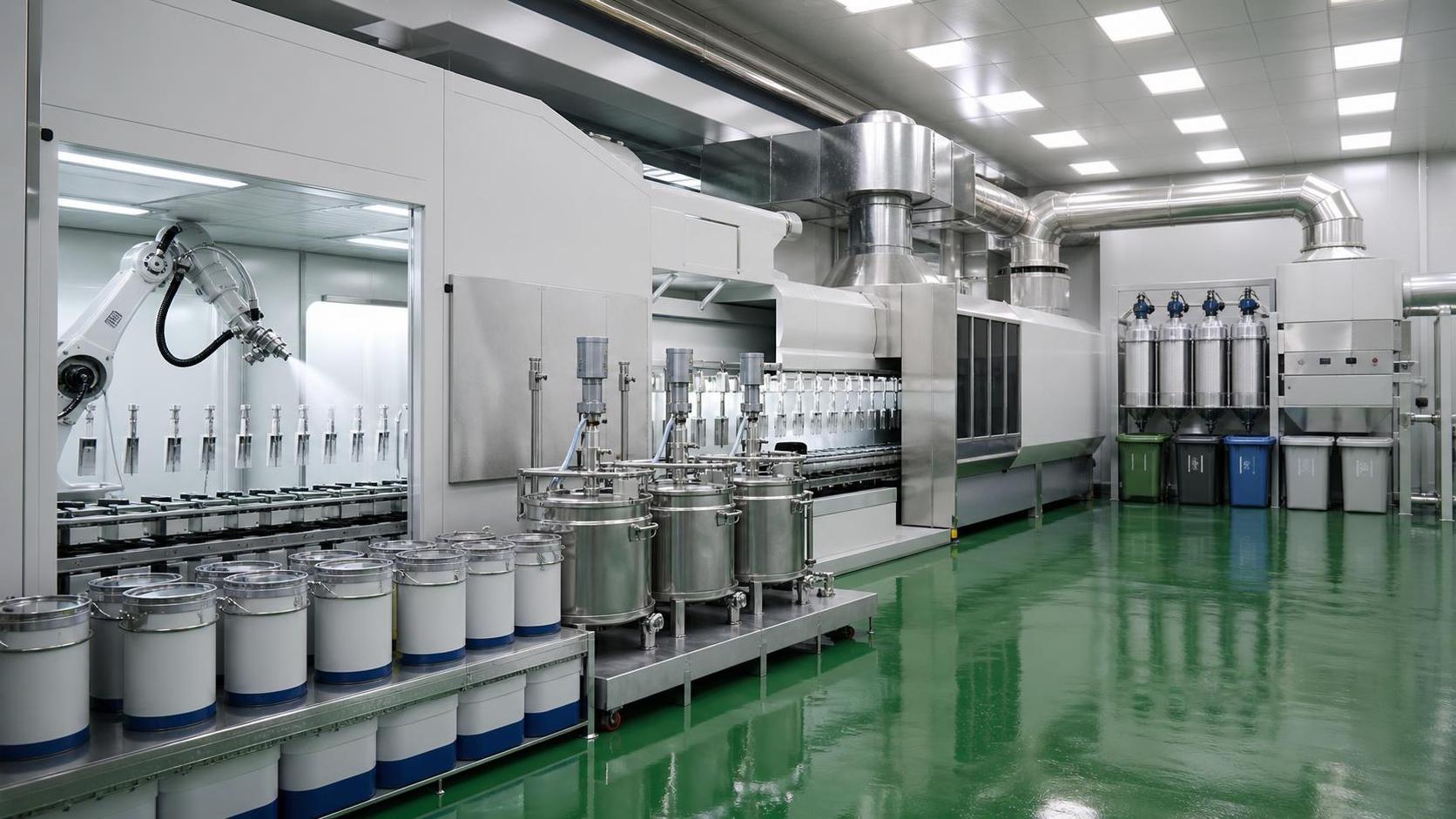
- Powder Coating LinesHow to Size a Powder Coating System for Part Mix, Throughput, and Cure TimePowder coating system sizing guide for part mix, throughput, cure time, booth layout, and balanced line capacity. Learn how to prevent bottlenecks and improve output.Sep 09, 2026
- Powder Coating LinesPowder Coating for Metal: How to Match Coating Type to Service ConditionsPowder coating for metal: match resin chemistry, pretreatment, curing, and testing to corrosion, UV, chemical, thermal, and wear conditions for lasting performance.Sep 04, 2026
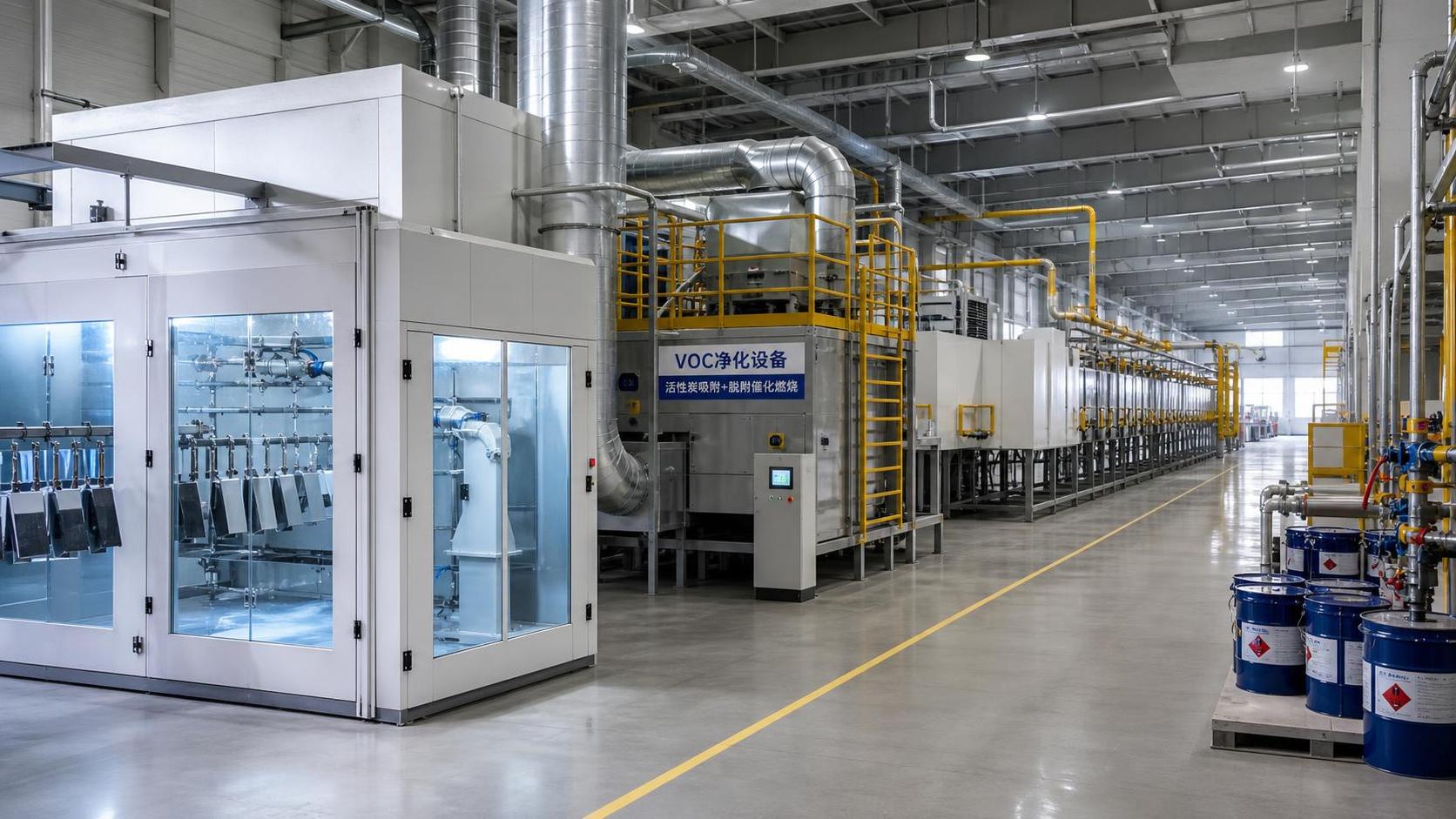
- Eco-spray Booths & VOCsHow to Evaluate a VOC Emissions Control Manufacturer for Coating Line ComplianceVOC emissions control manufacturer selection guide for coating lines: compare compliance expertise, technology fit, lifecycle costs, integration, and service support.Sep 03, 2026
- Plasma Surface TreatmentWhat to Check When Choosing a Coating Adhesion Supplier for Industrial ApplicationsChoose a coating adhesion supplier with confidence. Learn how to assess substrate compatibility, cure control, testing data, traceability, and technical support for reliable industrial finishes.Sep 01, 2026
- Eco-spray Booths & VOCsChina’s Industrial VOC Regulations: A Compliance Checklist for Coating FacilitiesIndustrial VOC regulations China: a practical compliance checklist for coating facilities covering materials, capture, treatment systems, records, safety, and quality control.Aug 29, 2026
- Eco-spray Booths & VOCsHow to Validate a Zero-VOC Coating Process for Plant Air-Permit ComplianceValidate a zero-VOC coating process for air-permit compliance with practical guidance on material records, emissions pathways, calculations, and change control.Aug 28, 2026
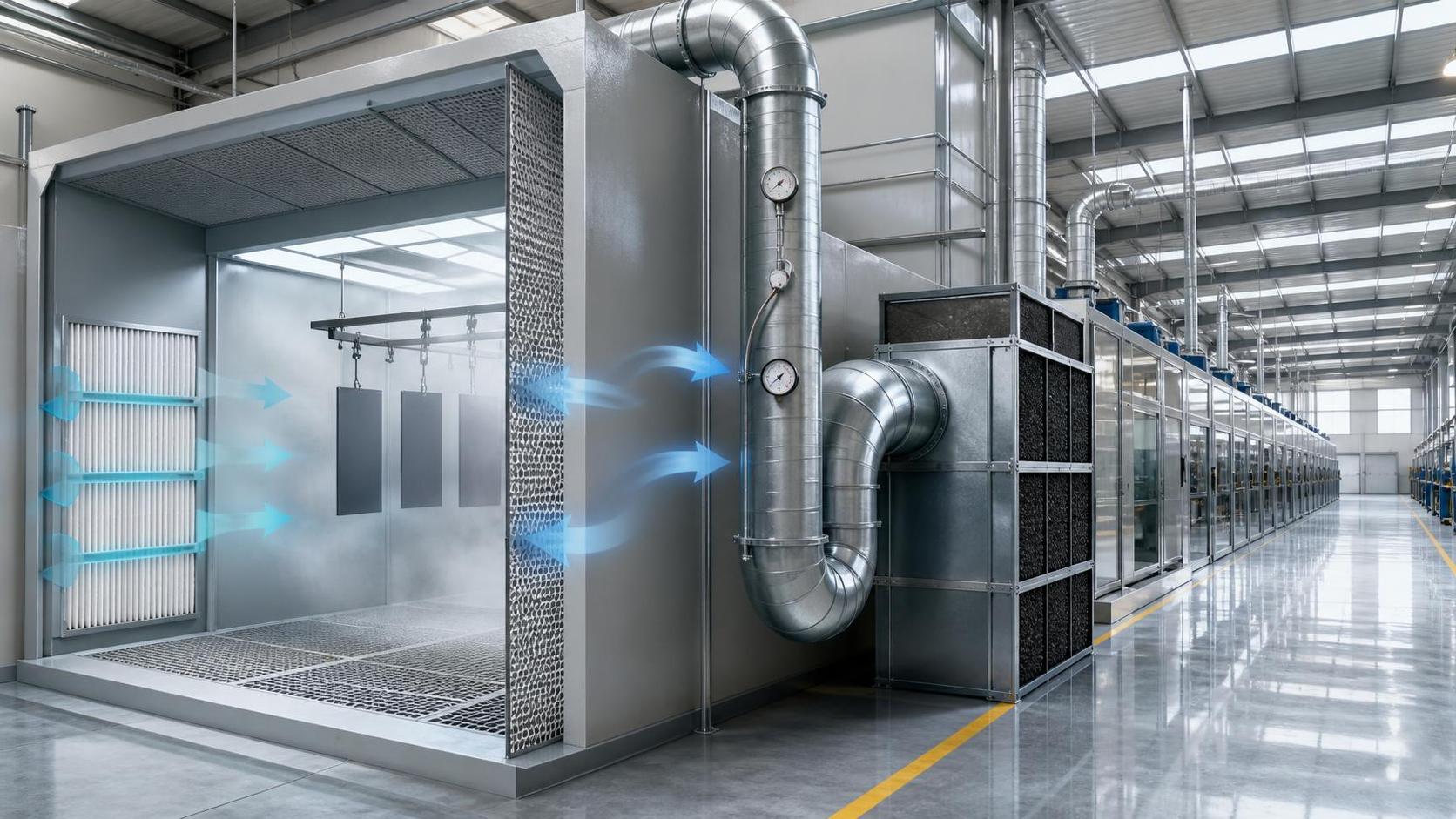
- Eco-spray Booths & VOCsSelecting Filters for Eco-Spray Booths: Airflow, VOC Capture, and Changeout IntervalsEco-spray booths filters: optimize airflow, overspray and VOC control, and changeout intervals to improve finish quality, reduce energy costs, and support compliant operations.Aug 27, 2026
- Plasma Surface TreatmentHow to Evaluate Micro-Jet Impact Force in Japan for Precision Surface Treatmentmicro-jet impact force Japan: learn how to evaluate nozzle force, consistency, and substrate safety for precision surface treatment. Compare systems smarter and reduce downstream quality risk.Aug 24, 2026



{item.catname}
{item.title}
{item.description}
{item.publish_time}
Related Industries
Trending in Tech
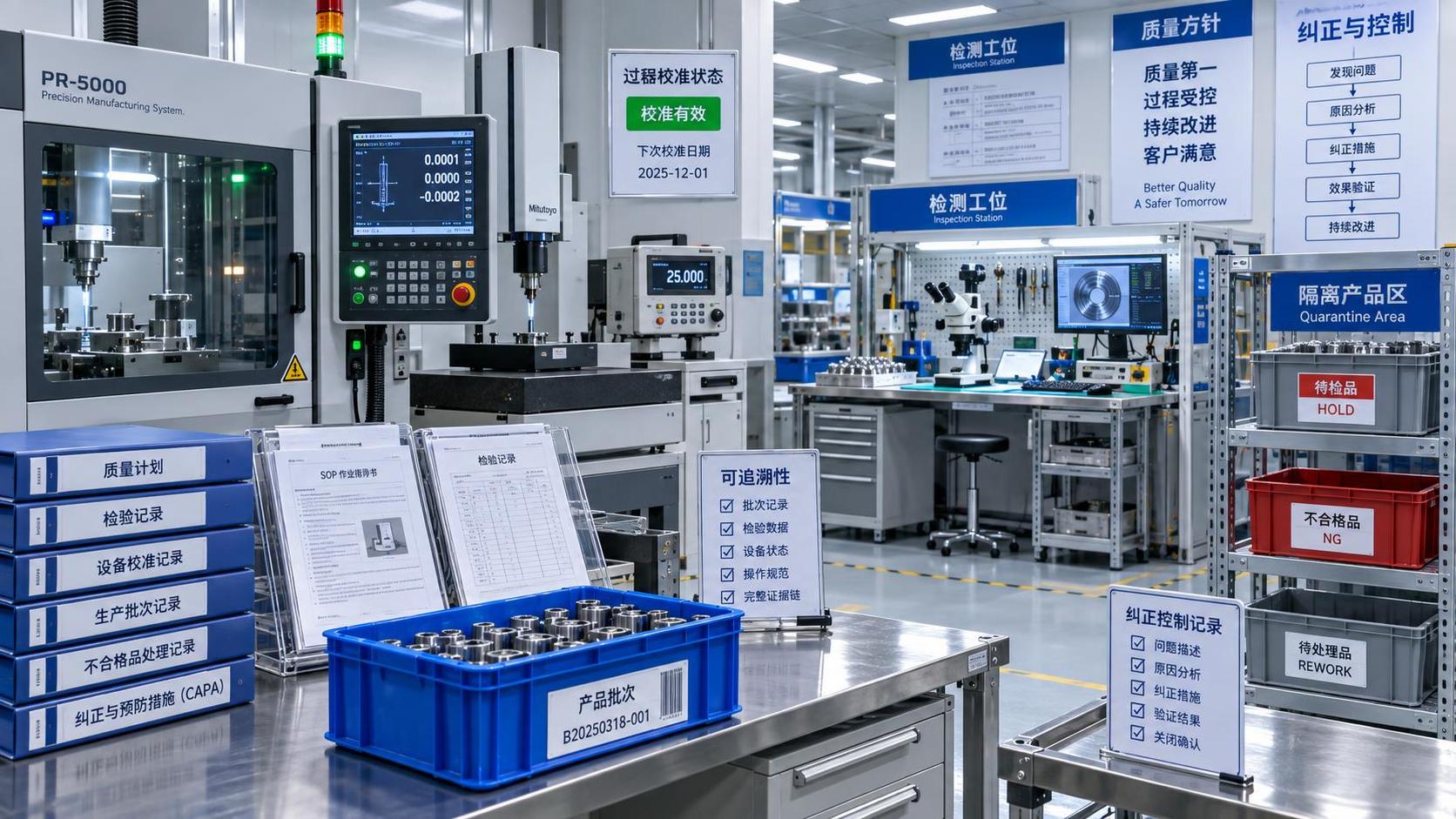
 Industrial Process Standards Audit Checklist: Evidence and Corrective ActionsSep 13, 2026Industrial process standards audit checklist: strengthen evidence, traceability, risk controls, and corrective actions for reliable, compliant production.
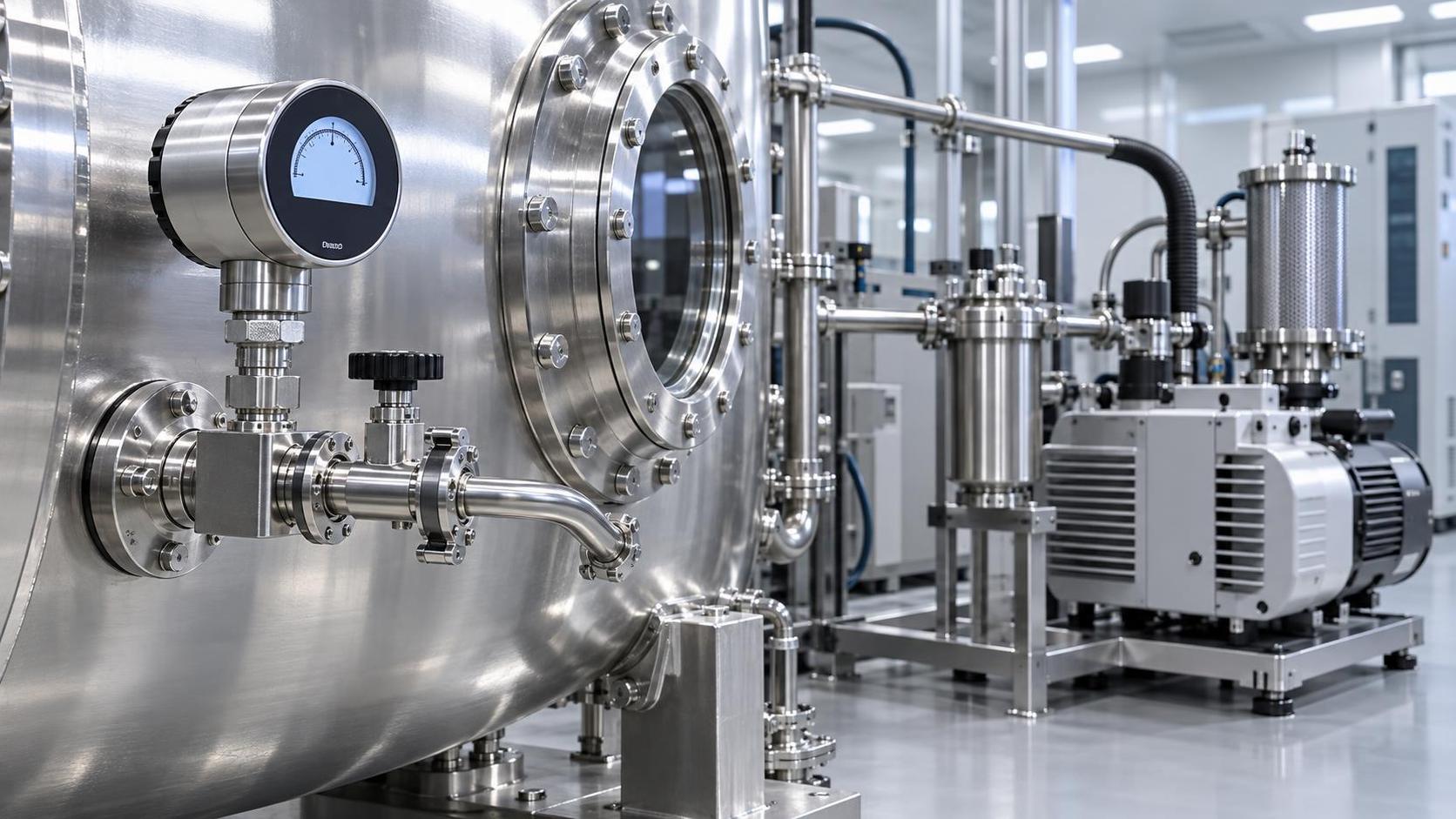
 How to Select an Industrial Vacuum Level Gauge for Process Stability and Leak DetectionSep 12, 2026Industrial vacuum level gauge selection made simple: compare pressure range, gas compatibility, accuracy, installation, and leak detection performance for stable processes.
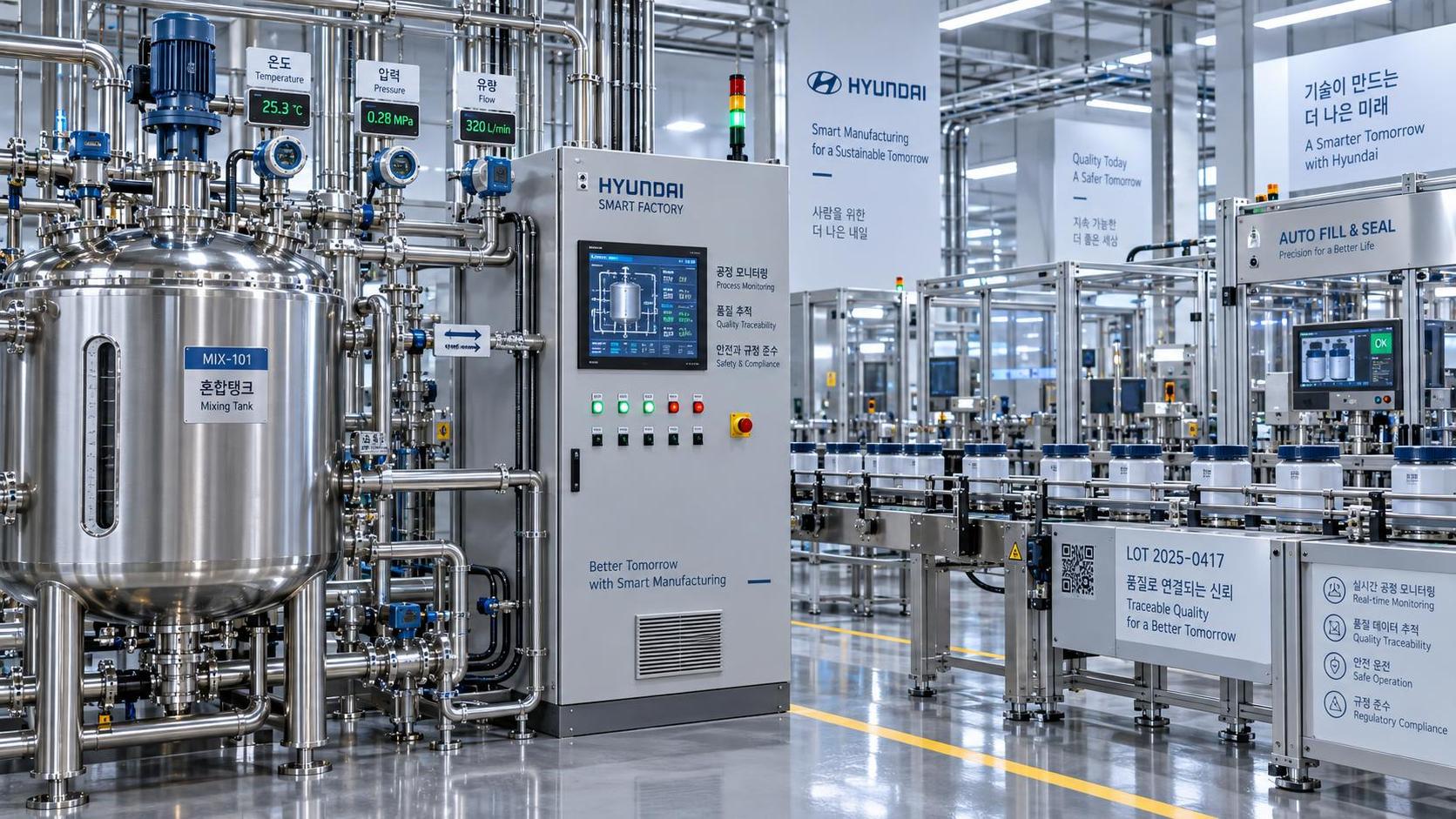
 Industrial Process Monitoring in South Korea: Key Standards for Factory DeploymentSep 11, 2026Industrial process monitoring South Korea: explore key standards for compliant factory deployment, traceability, calibration, cybersecurity, and smarter integration.
Weekly Insights
Stay ahead with our curated technology reports delivered every Monday.