
On July 15, 2026, the final FDA guidance on calibration and recordkeeping for Cleanroom Ultrasonic cleaning systems used in pharmaceutical manufacturing moves into mandatory implementation as an execution benchmark for GMP-facing equipment expectations. The update matters because it shifts attention from equipment supply alone to documented calibration traceability, quarterly verification, and audit readiness, with direct implications for exporters, pharmaceutical equipment suppliers, procurement teams, quality functions, and delivery planning tied to the U.S. market.
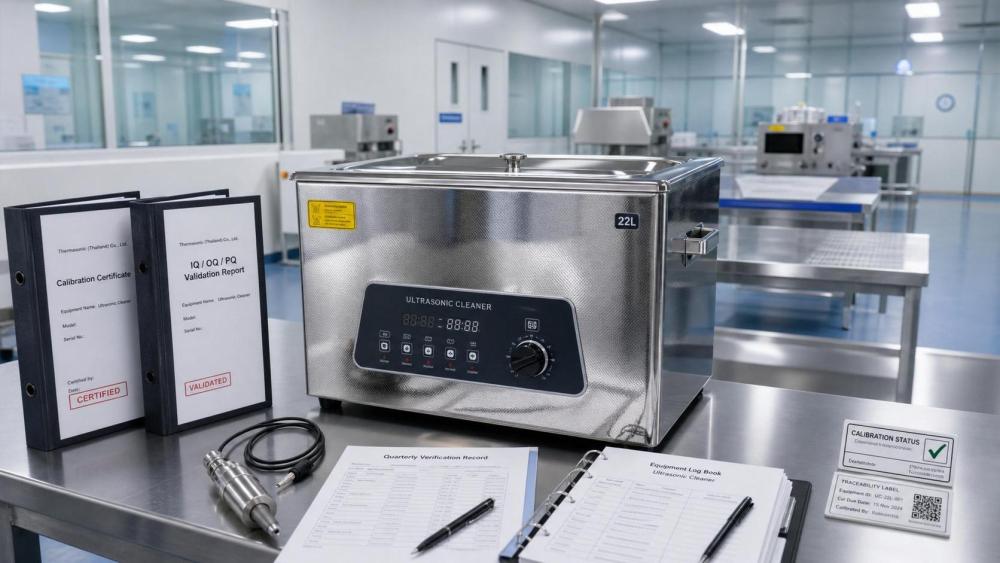
What the FDA guidance now requires
The confirmed facts are limited but clear. The FDA issued the final document titled Guidance for Industry: Calibration and Recordkeeping Requirements for Cleanroom Ultrasonic Cleaning Systems in Pharmaceutical Manufacturing on July 3, 2026. According to the provided summary, all Cleanroom Ultrasonic equipment used in GMP environments must have traceable calibration records, and those systems must be verified every quarter by laboratories accredited to ISO/IEC 17025. The guidance is described as non-regulatory in form, but strongly binding in practice, and the stated enforcement date is July 15, 2026.
The same summary also indicates that the change directly affects delivery to U.S. customers and audit preparation for Chinese pharmaceutical equipment exporters serving that market.
Where the pressure is likely to appear first
Export deliveries may face a higher documentation threshold
From an industry perspective, exporters of pharmaceutical equipment are among the first groups likely to feel the impact because delivery into the U.S. market may now be assessed not only on technical conformity of the equipment itself, but also on whether calibration records are traceable and current. What deserves closer attention is the handover stage: document packages, acceptance materials, and quality files may receive more scrutiny during customer review and audit preparation.
Procurement and buyer-side review may become more document-driven
Buyers and procurement teams connected to GMP operations may need to pay closer attention to whether supplied Cleanroom Ultrasonic systems are backed by quarterly verification from ISO/IEC 17025 accredited laboratories. Analysis shows that this can affect supplier screening, bid evaluation, technical file review, and pre-delivery approval, especially where customer audits are part of the purchasing process.
Testing and compliance support functions may become more central
For laboratories and compliance-related service providers, the guidance raises the practical importance of recognized verification capability. Observably, the relevant issue is not only testing activity itself, but whether the resulting records support traceability expectations in a form that can stand up in customer or regulatory review. That may influence how manufacturers and exporters select service partners for ongoing verification support.
After-sales and quality traceability may draw more attention
After-sales teams and quality departments may also be affected because quarterly verification implies an ongoing recordkeeping cycle rather than a one-time delivery task. From an industry perspective, any gap between installed equipment status and supporting calibration records could become an audit issue, making post-delivery documentation management and traceability more relevant than before.
Practical points companies should monitor now
Review whether existing files meet traceability expectations
Analysis shows that companies serving GMP customers should first examine whether current calibration documentation for relevant Cleanroom Ultrasonic systems is traceable in a way that aligns with the new guidance language provided in the summary. This is not yet a conclusion about acceptance outcomes, but it is a practical checkpoint for export readiness and customer communication.
Check laboratory accreditation status in ongoing verification arrangements
What deserves closer attention is whether quarterly verification is being handled, or can be handled, by laboratories accredited to ISO/IEC 17025. Where verification support depends on external partners, supplier qualification and documentary proof may become more important in contracts, quality agreements, or delivery files.
Reassess tender, audit, and handover materials
Observably, companies involved in quotation, tendering, or project delivery should review whether technical documents, quality dossiers, and customer-facing compliance materials clearly reflect calibration recordkeeping and verification status. The provided information does not define a detailed execution format, so this should be treated as a point for attention rather than a settled documentation standard.
Watch for changes in customer audit focus and execution language
It is more appropriate to understand this as a signal that customer audit preparation may shift quickly, even though the input does not provide a broader enforcement playbook. Companies should therefore monitor how customers, quality teams, and project stakeholders describe evidence requirements in practice, especially around verification frequency, record completeness, and acceptance review.
Why this looks like an execution signal rather than a distant policy note
Analysis shows that this development is more than a general compliance reminder. The combination of a final FDA guidance, a defined implementation date of July 15, 2026, and explicit expectations around traceable records plus quarterly ISO/IEC 17025-based verification makes it more appropriate to understand the update as an execution signal for affected market participants. At the same time, because the provided information does not include detailed downstream enforcement examples or customer-specific acceptance criteria, part of the practical impact still requires observation.
From an industry perspective, the most important point is that documentation quality and verification arrangements may now influence delivery readiness alongside equipment performance. That is especially relevant where exports, GMP customer audits, and quality handover are closely linked.
How this update is best understood at this stage
At this stage, the FDA guidance is best read as a concrete compliance and delivery signal for Cleanroom Ultrasonic systems used in GMP environments, rather than as a routine policy statement. The confirmed facts support a clear shift toward traceable calibration records and recurring accredited verification. The broader market effect, however, should still be viewed with discipline: the rule direction is clear, while the exact pace of customer-side implementation, audit emphasis, and document standardization remains something the industry needs to keep watching.
Basis of this article and what still needs verification
This article is based on the user-provided news title, event date, and event summary. For events of this type, commonly relevant source categories may include official regulatory announcements, regulator-issued guidance documents, trade or customs authority notices, industry association updates, standards organization materials, and reporting from established professional media. A specific official source link was not provided in the input, so the exact link still needs to be verified on an ongoing basis.
Further observation is still needed on follow-up details such as official implementation language, audit interpretation, changes in tender or procurement documents, market feedback, and how affected companies carry the requirements into actual delivery and compliance workflows.