
On July 4, 2026, the U.S. Food and Drug Administration released a draft technical guide on validation and ongoing monitoring for cleanroom ultrasonic cleaning equipment, bringing Cleanroom Ultrasonic calibration into the center of cGMP inspection attention. For manufacturers exporting ultrasonic cleaning equipment for pharmaceutical and medical device use to the U.S., as well as buyers, quality teams, and compliance-related service providers, this is worth close attention because the draft links equipment performance verification more directly to audit readiness and export documentation.
What the Draft Specifically Adds
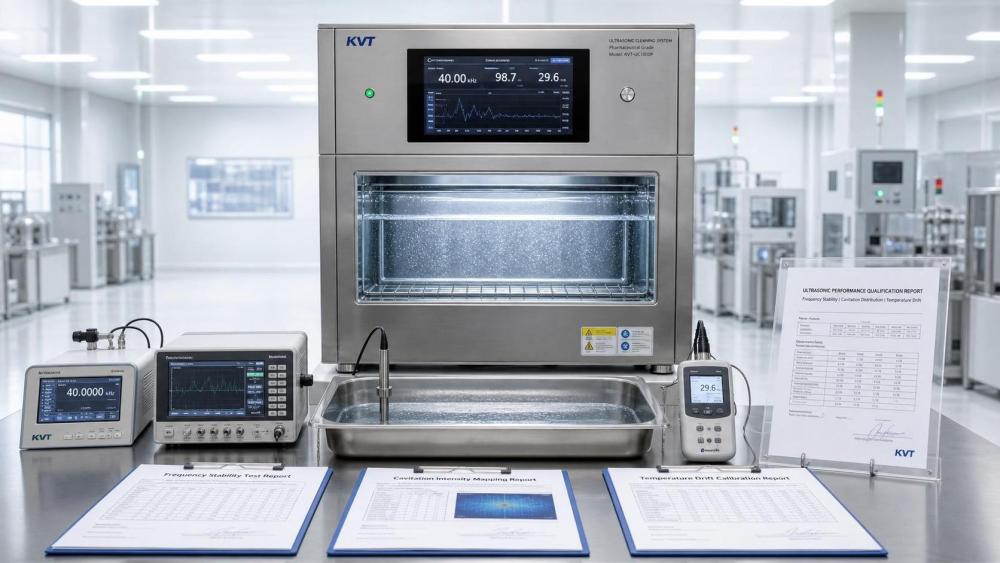
According to the provided information, the FDA draft guide newly identifies three items in Cleanroom Ultrasonic systems as core verification points during cGMP on-site audits: frequency stability, cavitation intensity distribution mapping, and temperature drift calibration. The same draft also states that, starting in December 2026, all manufacturers exporting ultrasonic cleaning equipment for pharmaceutical or medical device applications to the United States must provide an annual dynamic calibration report that is third-party traceable.
Where the Pressure May Appear First
Export-oriented equipment manufacturers face a tighter documentation threshold
From an industry perspective, manufacturers that sell ultrasonic cleaning equipment into the U.S. pharmaceutical and medical device market may be affected first because the draft connects product acceptance not only to equipment delivery, but also to annual, traceable calibration evidence. The immediate business impact may appear in product qualification files, export documentation preparation, and customer audit support.
Procurement and quality teams may need to reassess supplier readiness
Buyers and quality functions at downstream pharmaceutical and medical device companies may also feel the effect in supplier selection and compliance review. Analysis shows that when calibration-related items are named as core audit verification points, procurement review may place more attention on whether suppliers can provide complete third-party traceable annual reports and whether those records align with the equipment delivered into regulated environments.
Third-party calibration and compliance support providers may see higher scrutiny
Service providers involved in calibration, verification support, and compliance documentation may be affected because the draft explicitly raises the importance of traceability and annual dynamic reporting. What deserves closer attention is that the impact is not only on test execution itself, but also on whether the resulting records are suitable for customer qualification and inspection review.
What Companies Should Watch Now
Track how the FDA frames the draft language going forward
Analysis shows that the current document is still a draft, so companies should closely watch whether the FDA adjusts the wording, scope, or enforcement expectations in subsequent official communications. The distinction between draft language and final operational expectations matters for planning resources, customer communication, and compliance timing.
Review whether current calibration records match the new focus areas
For companies already serving the U.S. market, a practical checkpoint is whether existing records clearly address frequency stability, cavitation intensity distribution mapping, and temperature drift calibration in a form that can support external review. This is less about broad quality messaging and more about whether documentation structure, traceability, and annual update cycles are aligned with the draft requirement described in the provided information.
Prepare for customer questions before the December 2026 deadline
Observably, the stated December 2026 requirement creates a defined timeline for export-related preparation. Companies may need to review delivery schedules, document turnover timing, and how they explain calibration status to customers that purchase equipment for pharmaceutical or medical device use in the U.S. market.
Check supplier and service partner traceability arrangements
Where calibration work involves external partners, companies should pay attention to whether third-party traceability can be demonstrated consistently and on schedule. From a business execution perspective, the issue is not only technical completion, but whether supporting documentation can move smoothly through procurement, quality review, and audit preparation.
Why This Reads as More Than a Routine Update
Analysis shows that this development is better understood as a regulatory signal with practical near-term implications rather than as a completed market outcome. The reason is straightforward: the draft does not by itself confirm every final enforcement detail, but it does identify very specific verification points and ties them to a dated documentation requirement for exporters. That combination makes it more consequential than a general policy statement, while still leaving room for continued observation until final implementation details are fully clear.
How the Industry May Best Read It for Now
It is more appropriate to understand this as a compliance-focused shift in attention around cleanroom ultrasonic cleaning equipment, especially for companies tied to U.S.-bound pharmaceutical and medical device applications. The immediate significance lies in audit preparedness, calibration traceability, and document discipline. The broader market effect still needs continued observation, but the operational relevance for affected manufacturers and buyers is already clear from the draft language described in the provided information.
Basis of This Article and What Still Needs Verification
This article is based on the user-provided news title, event date, and event summary. For developments of this type, commonly relevant source categories may include official regulator notices, company statements, industry association updates, authoritative media coverage, and standards-related documents. The specific official source link was not provided in the input, so that point still requires ongoing verification. Continued attention should be placed on any later FDA clarification, updates to the draft, and how the December 2026 reporting requirement is ultimately operationalized.