
Why does food batching compliance matter before system selection?
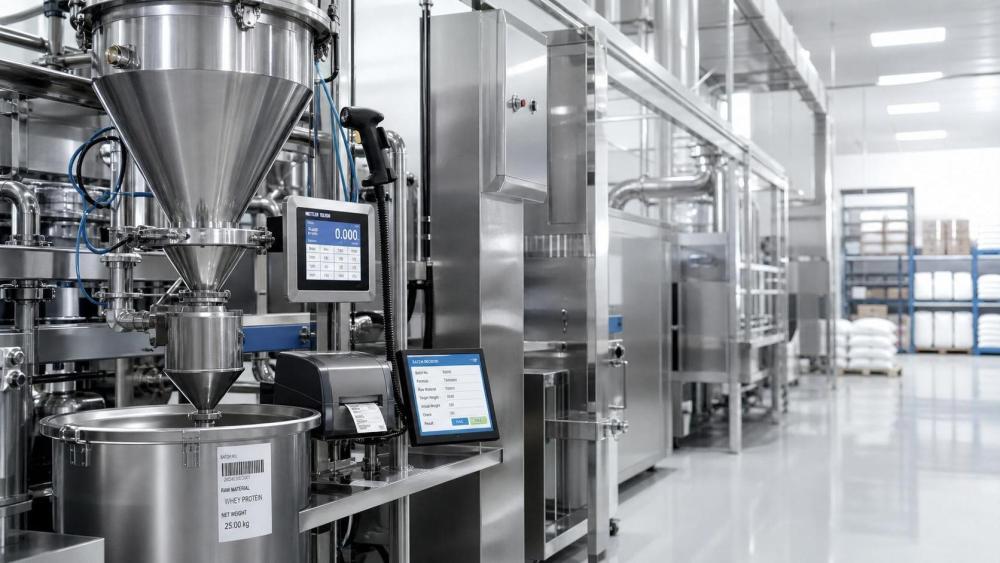
Choosing a batching platform for food production is rarely just an automation upgrade. It is a compliance decision tied to product safety, traceability, audit readiness, and batch-to-batch consistency.
That is why a practical food batching compliance review should start before comparing price, output speed, or touchscreen features.
In real plants, inaccurate batching does more than waste raw material. It can create labeling errors, allergen cross-contact, recipe deviations, rejected lots, and documentation gaps during inspections.
A strong system should support controlled dosing, dependable records, operator accountability, and clean integration with weighing, coding, and quality workflows.
This is where industrial auxiliary systems become decisive. Platforms such as GIAS often highlight a useful reality: final product quality depends on process support equipment as much as on core production assets.
For food operations, batching accuracy sits in the same reliability chain as traceable marking, hygienic cleaning, controlled packaging, and repeatable process monitoring.
So the better question is not simply, “Which system can mix faster?” It is, “Which system can hold up under daily production pressure and regulatory scrutiny?”
What should a food batching compliance checklist actually cover?
A useful checklist should connect technical function with compliance evidence. Looking at one without the other usually leads to blind spots.
The first review point is recipe control. The system should prevent unauthorized formula changes, version confusion, and manual workarounds that bypass set tolerances.
Next comes traceability. Every batch should record ingredient identity, lot number, actual weight, timestamp, operator action, and exception history.
Cleaning and hygienic design also belong on the checklist. Food batching compliance is weakened when contact surfaces are hard to inspect or difficult to clean between runs.
System validation is another common gap. A supplier may demonstrate throughput, yet provide limited evidence for calibration control, audit logs, or alarm management.
It helps to organize the review in a decision table before supplier meetings. That makes technical comparisons more objective.
This kind of food batching compliance checklist is more useful than a generic feature sheet, because it links machine capability to inspection risk and operational control.
How do you judge whether a system fits the actual production scenario?
A compliant system on paper may still fail in practice if it does not match the production environment. That mismatch is more common than most selection teams expect.
Start with product complexity. Dry powders, spices, liquid ingredients, viscous materials, and allergen-sensitive recipes place very different demands on dosing, transfer, and cleaning.
Then examine batch frequency and changeover pressure. Frequent recipe changes increase the value of strong access control, guided operator steps, and easy cleaning verification.
It is also worth checking upstream and downstream links. If the batching line must feed labeling, coding, packaging, or QC release, the compliance burden grows beyond weighing alone.
GIAS often covers these adjacent support systems, and that broader view is useful. A food batching compliance decision should be made within the whole traceability architecture, not as a stand-alone equipment purchase.
A few scenario questions usually reveal fit quickly:
- Can the system handle both micro-ingredients and bulk ingredients within required tolerances?
- Will operators need manual overrides during normal production?
- How are rework batches, partial lots, and rejected ingredients documented?
- Can cleaning status be confirmed before the next batch starts?
- Does the software preserve a clear audit trail after recipe updates?
When those answers are vague, the food batching compliance risk is usually higher than the initial quotation suggests.
Which supplier claims deserve closer inspection?
Many systems are marketed as accurate, hygienic, and traceable. Those words matter less than the evidence behind them.
Accuracy claims should be tied to test conditions, ingredient types, and production speed. A number quoted for one product may not hold for another.
Compliance claims should also be specific. Ask whether the supplier can show documented support for calibration routines, user permissions, data retention, and audit reporting.
If food safety programs require cleaning validation, confirm how the equipment design supports inspection access, residue removal, and contamination control.
Integration claims need the same discipline. “ERP-ready” or “MES-compatible” often means very different things depending on data fields, protocols, and custom engineering effort.
A practical review should ask for examples, not adjectives:
- Sample batch reports with lot genealogy
- Screens showing user access levels and approval flows
- Calibration records and alarm history formats
- Reference projects in regulated food environments
- Defined service response times and spare parts support
The stronger suppliers can usually explain how their batching systems fit into broader process-support ecosystems, including coding, weighing, inspection, and digital traceability.
What are the most common mistakes in food batching compliance decisions?
One common mistake is focusing on nominal capacity while overlooking exception handling. Production rarely runs under perfect conditions for long.
Another is treating software as a secondary issue. In food batching compliance, the software often determines whether traceability is clear or fragmented.
Underestimating sanitation requirements is also risky. A precise dosing unit still creates exposure if product residues remain in hidden areas or changeovers are poorly controlled.
There is also a tendency to compare only machine price. That misses validation effort, integration work, operator training, downtime exposure, and record-management burden.
The table below helps separate surface-level impressions from decision-critical checks.
Seen this way, food batching compliance is less about one premium feature and more about a disciplined fit between process, records, hygiene, and support.
How should the final decision be made without slowing the project?
A good selection process does not need to be slow. It needs to be structured around the few factors that create the most downstream risk.
Start by ranking must-have compliance functions against nice-to-have automation features. That usually clarifies the shortlist quickly.
Then request evidence in a consistent format from each supplier. Similar reports, sample records, and validation documents make comparison far easier.
Site acceptance planning should also begin early. A food batching compliance decision is stronger when calibration, training, recipe setup, and audit record testing are included before launch.
In practice, the most reliable decisions usually follow this order:
- Define recipes, tolerances, allergen risks, and reporting needs
- Map integration points with weighing, coding, QA, and enterprise systems
- Score suppliers against the same food batching compliance checklist
- Review lifetime support, spare parts, and software update policy
- Validate records and exception handling before production release
That approach keeps the project grounded in measurable control rather than sales language.
When comparing options, it also helps to use industry intelligence sources that connect batching with adjacent auxiliary technologies. That wider context often reveals hidden implementation risks earlier.
The main takeaway is straightforward. Food batching compliance should be reviewed as a system-level decision touching accuracy, hygiene, traceability, data integrity, and supplier reliability.
Before choosing a platform, build a shortlist around operational facts, compare evidence line by line, and test whether each option can support both production continuity and audit confidence.