
Why does a batching control system supplier matter so much before RFQ?
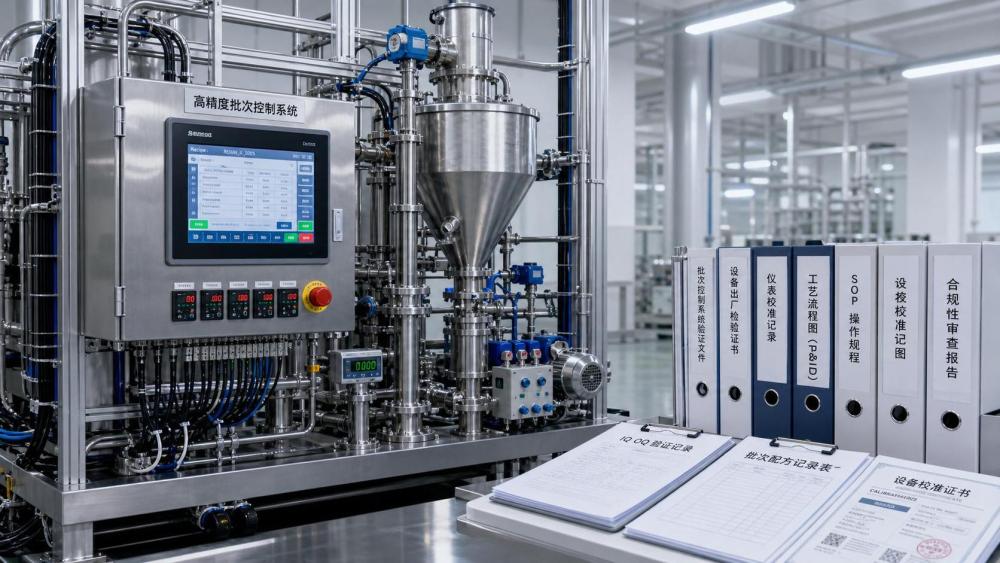
A batching control system often looks like a supporting unit, yet it directly affects dosing accuracy, traceability, recipe repeatability, and approval speed.
That is why a batching control system supplier should be checked early, not after layout drawings and budget assumptions are already fixed.
In practical terms, weak supplier selection creates hidden delays. The problems usually appear during PLC communication, calibration acceptance, site commissioning, or documentation review.
Across advanced manufacturing, auxiliary systems shape final quality in quiet but measurable ways. GIAS often frames these decisions through process consistency, compliance readiness, and long-term operating stability.
For batching applications, that means looking beyond brochure capacity. The real question is whether the supplier can support your recipe, environment, controls architecture, and validation pathway.
Before sending an RFQ, it helps to ask a simple question: can this supplier prove predictable performance under the same conditions your plant will actually face?
What should you understand about the system before comparing suppliers?
A useful comparison starts with process definition, not vendor branding. Different batching tasks require very different control logic, hardware design, and approval documents.
Some lines batch powders by loss-in-weight feeders. Others meter liquids through mass flow, pumps, or load-cell tanks. Hybrid recipes need both timing control and weight confirmation.
The better batching control system supplier will usually ask detailed questions early. That is a positive sign, not a sales delay.
Key process points normally include material behavior, batch size variation, target tolerance, cleaning method, data logging depth, and required interfaces with MES or SCADA.
It also helps to separate three layers that are often mixed together in RFQs:
- Mechanical scope: hoppers, feeders, valves, frames, enclosures, and access.
- Control scope: PLC, HMI, recipes, alarms, audit trail, and communication protocols.
- Quality scope: calibration, validation records, FAT, SAT, and traceable batch reports.
When these layers stay blurred, supplier quotes look comparable on paper while carrying very different delivery risk.
Which checkpoints separate a capable batching control system supplier from a risky one?
The most reliable comparison usually comes from structured checkpoints. Price matters, but technical fit and approval readiness decide whether the quote is really usable.
The table below works well as a pre-RFQ screening tool.
A capable batching control system supplier should answer these points with evidence, not broad promises.
Case references are helpful, but they only matter when the process conditions are close to yours. Similar industry alone is not enough.
Need extra caution if the quote is very detailed on hardware, but vague on sequence logic, recipe security, and batch data retention.
How do you compare suppliers when quotes look similar?
This is where many approvals stall. Two suppliers may offer similar capacities and lead times, yet differ sharply in engineering depth and ownership boundaries.
A stronger batching control system supplier usually defines what is included, what is excluded, and what assumptions support the accuracy statement.
More importantly, the better supplier can explain failure modes. For example, what happens if material bulk density drifts, upstream feed becomes unstable, or operators interrupt a batch?
A useful side-by-side review should cover these comparison angles:
- How recipes are created, protected, and version-controlled.
- How alarms are prioritized and logged.
- Whether load cells, transmitters, and valves come from approved brands.
- How much on-site tuning is expected after installation.
- Whether source code, parameter backups, and spare parts lists are included.
In many plants, hidden integration cost exceeds the visible equipment discount. That is especially true when a low-cost supplier relies on custom logic without documentation discipline.
GIAS content often emphasizes this wider view across auxiliary systems: the real cost sits in performance stability, traceability, and service continuity over time.
Where do approval risks usually appear, even after a supplier is shortlisted?
Shortlisting does not remove project risk. It only narrows the field. Approval issues often emerge when technical and commercial assumptions were never aligned.
One common gap is test method definition. A batching control system supplier may promise accuracy, but the acceptance method may not reflect actual material flow behavior.
Another problem is documentation timing. Drawings, IO lists, software descriptions, and instrument certificates often arrive too late for internal review gates.
The following warning signs deserve attention before approval:
- Accuracy stated without reference material or throughput range.
- No clear split between supplier scope and site contractor scope.
- Limited explanation of calibration intervals and drift handling.
- Unclear cybersecurity, user access, or audit trail design.
- Lead time based on standard hardware when custom panels are actually required.
More cautious teams also ask for a sample batch record before approval. That single document reveals a lot about traceability maturity.
If your process sits near regulated sectors, this becomes even more important. Audit-friendly records are part of the system value, not an optional add-on.
What is the smarter way to judge cost, lead time, and long-term value?
The lowest quote rarely represents the lowest total project cost. A batching control system supplier should be judged on implementation effort as much as purchase price.
Lead time also needs context. Fast shipment is less useful when FAT is weak, panel revisions are likely, or software debugging is pushed to site.
A more practical cost review includes five buckets:
- Equipment price and optional modules.
- Integration cost with existing controls and utilities.
- Commissioning time and production disruption risk.
- Documentation, validation, and training effort.
- Service life, spare parts access, and upgrade flexibility.
This is often where an experienced batching control system supplier becomes more competitive over the project lifecycle, even if the first quote is not the cheapest.
In sectors like food, chemicals, pharmaceuticals, and battery materials, stable batching performance protects both yield and compliance exposure. That long-term impact deserves a place in approval scoring.
What should be in your RFQ package before you ask for final approval?
A good RFQ helps good suppliers respond well. It also makes weak suppliers easier to identify.
Try to include process data, expected recipes, material properties, utility conditions, layout limits, preferred controls platform, and acceptance criteria.
It is also worth asking each batching control system supplier to respond in the same structure. Standardized replies make comparison cleaner and approval faster.
A practical RFQ request list can include:
- Process description and critical control points.
- Accuracy statement with conditions and exclusions.
- Preliminary P&ID, GA drawing, and IO summary.
- Control architecture and communication protocol list.
- FAT proposal, documentation list, and service plan.
At that stage, the goal is not to collect the most impressive presentation. The goal is to reduce uncertainty before money and schedule become harder to protect.
A sound final review usually connects technical fit, approval documents, and lifecycle cost into one decision path. That is the most reliable way to compare a batching control system supplier with confidence.
The next step is straightforward: refine the RFQ around your real process conditions, force comparable responses, and test every claim against installation, validation, and support requirements.