
On June 28, 2026, CEN released EN 13463-1:2026, updating explosion protection requirements for non-electrical equipment and placing new attention on vacuum systems used in ATEX Zone 2/22 environments. For manufacturers and exporters of Roots vacuum systems, the change is worth close attention because it adds a mandatory assessment of dynamic seal failure risk and ties market access more directly to supporting test documentation, with implications for CE conformity statements and export readiness in the EU as well as related markets in the Middle East and Latin America.
What the new standard now requires
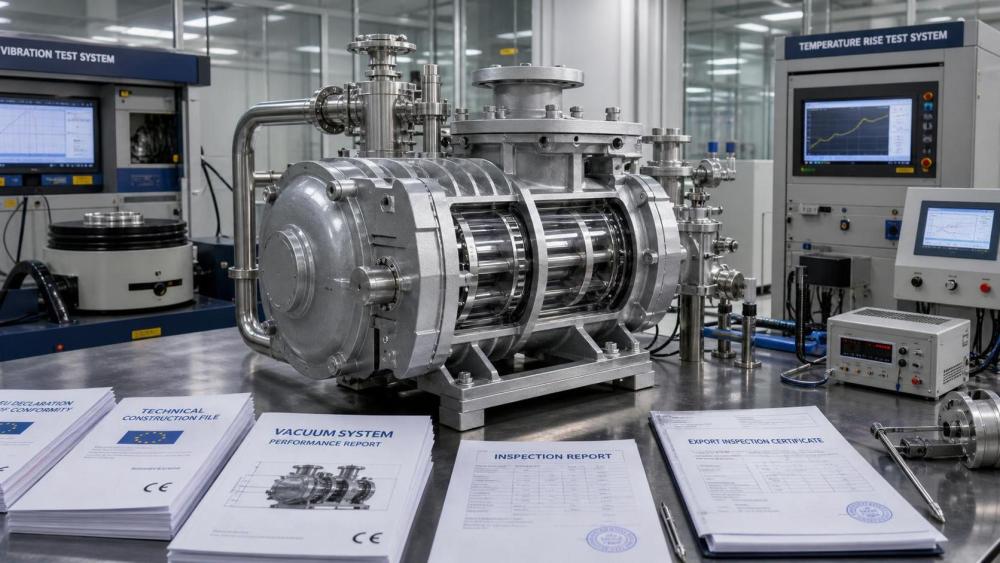
The confirmed update is that CEN formally issued EN 13463-1:2026 on June 28, 2026 under the title Non-electrical equipment for potentially explosive atmospheres - Part 1: Basic method and requirements. According to the provided event summary, the new edition adds a mandatory assessment clause covering the risk of dynamic sealing failure for vacuum systems operating in ATEX Zone 2/22 conditions. It also makes clear that manufacturers of Roots vacuum systems must provide a third-party vibration-temperature rise coupled test report. The standard will become mandatory on January 1, 2027.
The same confirmed information indicates that the update directly affects equipment access and the validity of CE conformity declarations for Chinese exporters serving the EU, Middle East and Latin American markets.
Where the impact is likely to appear first
Export-facing equipment manufacturers
From an industry perspective, manufacturers of Roots vacuum systems are the first group likely to feel the change because the new requirement is tied directly to technical evaluation and third-party testing. The immediate pressure point is not only product design, but also whether existing technical files and conformity support materials can still satisfy customer and market-entry expectations once the standard becomes mandatory.
Compliance and certification workflows
Analysis shows that teams responsible for CE documentation, certification coordination and shipment approval may face a more practical burden than before. The new clause specifically centers on dynamic seal failure risk in Zone 2/22 applications, and the required vibration-temperature rise coupled test report means compliance work may depend more heavily on test scheduling, document completeness and the consistency of technical evidence presented to customers or assessment parties.
Distributors, importers and project buyers
Observably, channel partners and procurement-side participants may also be affected because equipment acceptance can depend on whether supporting compliance documents remain valid for the target market. In business terms, the issue is likely to surface during supplier qualification, bid review, order confirmation and delivery acceptance, especially where project specifications already reference ATEX-related requirements or CE documentation checks.
Supply chain and delivery coordination
For supply chain service providers and export operations teams, the main concern is timing. Because the standard becomes mandatory on January 1, 2027, any gap between product readiness and documentary readiness could affect order sequencing, shipment planning and customer communication. The event summary does not confirm specific delays, but the compliance transition itself is a point that market participants need to watch.
Practical points companies should review now
Check whether affected models fall within the new assessment focus
What deserves closer attention is whether exported Roots vacuum systems are intended for ATEX Zone 2/22 environments covered by the updated requirement. The immediate task is to identify which models, applications and customer orders may require a revised compliance review rather than assuming existing documentation will remain sufficient through the transition.
Review the status of third-party test documentation
Analysis shows that the explicit requirement for a third-party vibration-temperature rise coupled test report is likely to become a central document issue. Companies should focus on whether such reports already exist, whether they match the relevant product configuration, and whether current customer files and declaration packages can still support market entry after the mandatory date.
Separate the published rule from implementation details in live business
It is more appropriate to understand this as a confirmed standards change with business implications that still need careful operational interpretation. The published requirement is clear in direction, but companies should distinguish between the legal or standards-level change and the way customers, certification partners and import-side stakeholders apply it in active transactions, quotations and acceptance reviews.
Prepare for customer and supplier communication before 2027
From an industry perspective, communication may become as important as testing itself. Exporters, OEMs, distributors and sourcing teams should pay attention to how they explain document status, transition timing and compliance readiness to counterparties in the EU, Middle East and Latin America, particularly where orders span the 2026 to 2027 implementation window.
Why this looks like more than a routine document update
Observably, this development is not just a wording revision inside a standards document. The added focus on dynamic sealing failure risk and the explicit call for third-party vibration-temperature rise coupled testing suggest a more specific compliance expectation for Roots vacuum systems in relevant hazardous-area use cases. That matters because the effect is tied to both technical substantiation and market access.
Analysis shows that this is best viewed as a near-term compliance change with longer-term signaling value. The near-term issue is straightforward: affected exporters and manufacturers may need to reassess documentation and testing readiness before January 1, 2027. The longer-term signal is that non-electrical explosion protection requirements for vacuum systems may be examined with greater specificity in cross-border trade and technical review settings. Based on the provided information, however, it would be premature to claim broader market outcomes beyond that.
How this update is best understood at this stage
At this stage, the EN 13463-1:2026 update is best understood as a confirmed standards change that creates immediate compliance attention for Roots vacuum system exporters, especially where ATEX Zone 2/22 applications are involved. The most relevant industry meaning is not a generalized market shift, but a narrower and more practical one: testing evidence, technical files and CE-related support materials may now carry greater weight in maintaining access to certain export markets. A measured reading is more appropriate than an exaggerated one, but the implementation deadline makes this a live issue rather than a distant signal.
Basis of this article and what still needs tracking
This article is based on the user-provided news title, event date and event summary. For this type of industry development, commonly relevant source categories include official announcements, standardization body documents, company compliance notices, industry association updates and authoritative media reporting. A specific official source link was not provided in the input, so the exact publication record and any follow-up interpretation should continue to be verified. Ongoing attention should focus on any further official wording, implementation clarifications and market-side document expectations connected to EN 13463-1:2026 before the January 1, 2027 mandatory date.