
On July 8, 2026, the European Commission issued Regulation (EU) 2026/1289, setting a new compliance condition for Roots vacuum systems entering the EU market. From January 1, 2027, imported products in this category must meet the updated EN 12354-3:2026 standard, including newly added pulsation noise spectrum limits and on-site installed-condition testing requirements. For exporters, importers, certification-related parties, and procurement teams, this is worth close attention because the change reaches beyond a technical update and directly touches delivery timing, CE compliance routing, testing readiness, and supplier qualification checks.
What the New Requirement Formally Changes
According to the information provided, Regulation (EU) 2026/1289 was released by the European Commission on July 8, 2026. The regulation makes compliance with the revised EN 12354-3:2026 standard mandatory for all imported Roots vacuum systems starting on January 1, 2027.
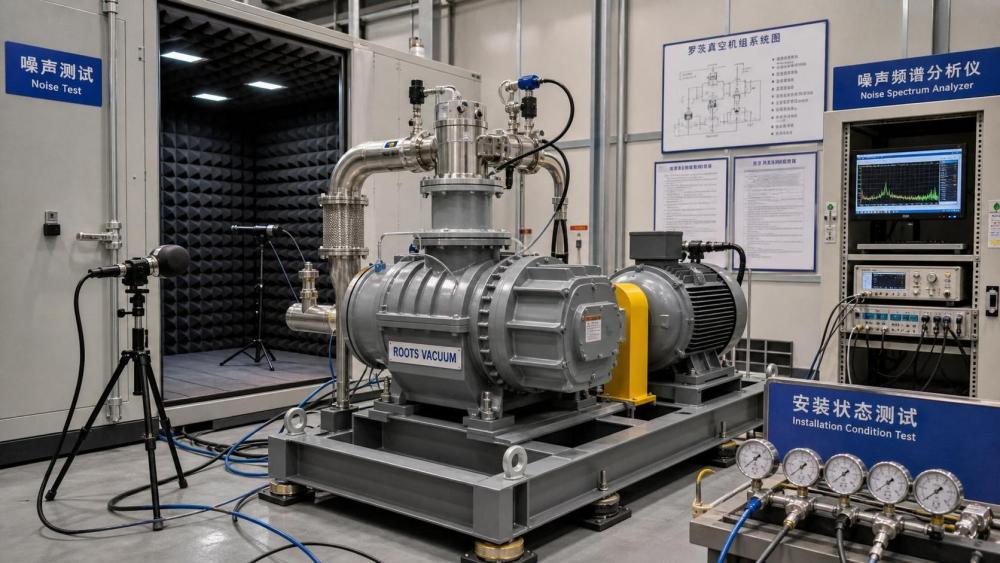
The updated standard adds two specific compliance elements: pulsation noise spectrum limits and testing under on-site installation conditions. The information provided also states that this revision directly affects export lead times for Chinese manufacturers, CE certification pathways, and third-party testing costs. Importers are expected to verify in advance whether suppliers have the capability to complete type testing under the new version.
Where the Pressure Will Show Up First
Export transactions may face longer pre-shipment preparation
From an industry perspective, exporters are likely to feel the impact first because the rule change creates an added compliance gate before products can move smoothly into the EU market. The practical pressure point is not only product design, but also whether the required testing and supporting documents can be completed in time. What deserves closer attention is that shipment scheduling, contract timing, and customer acceptance milestones may all become more sensitive to test readiness under EN 12354-3:2026.
Importers will need a tighter supplier screening process
For importers and procurement-side buyers, the change matters because supplier qualification can no longer be assessed only on prior export experience or legacy test records. Analysis shows that the new requirement makes supplier capability under the revised standard a more immediate screening factor. In practice, buyers may need to review whether suppliers can support the updated type testing route, whether existing technical files remain usable, and whether procurement specifications should be adjusted before orders are placed.
Certification and testing services may become a bottleneck in project timing
Certification-related firms and third-party testing bodies are relevant here because the summary explicitly links the revision to CE certification pathways and testing costs. Observably, where a standard adds new noise-spectrum limits and installed-condition testing, the burden often shifts toward test preparation, document review, and coordination between manufacturer and assessment parties. Even without additional confirmed details, the change clearly signals that certification workflow planning will need closer coordination.
Delivery and after-sales planning may need earlier technical alignment
Supply chain service providers and after-sales teams may also be affected where delivery commitments depend on technical acceptance conditions. Analysis shows that if installed-condition testing becomes part of the compliance route, parties involved in packing, shipment timing, installation coordination, and post-delivery support may need earlier alignment on the intended operating setup and supporting records. This should be understood as a practical risk-management issue rather than a confirmed market outcome.
What Companies Should Check Now
Review whether current CE documentation aligns with the revised standard
Companies involved in EU-bound sales should first examine whether existing CE compliance materials, technical files, and prior test reports remain sufficient once EN 12354-3:2026 becomes mandatory. The information provided confirms that the certification pathway will be affected, so document validity and transition readiness deserve immediate review.
Confirm access to the new type-testing capability
What deserves closer attention is whether the manufacturer or its testing partners can carry out type testing against the revised standard, especially where the new version includes pulsation noise spectrum limits and on-site installed-condition testing. This is particularly relevant for exporters and importers that need to make shipment and sourcing decisions before the 2027 enforcement date.
Reassess lead times, procurement terms, and supplier commitments
Analysis shows that the rule change may alter the timing assumptions built into orders, procurement schedules, and supplier confirmations. Companies should pay attention to whether contracts, purchase specifications, and delivery commitments need to reflect the updated compliance requirement, especially where acceptance depends on third-party testing or revised technical submissions.
Track how the requirement is reflected in technical and commercial documents
Because the provided information does not include detailed implementation language beyond the regulatory requirement itself, companies should continue watching how the revised standard is referenced in technical documentation, tender materials, supplier qualification reviews, and customer-side compliance requests. At this stage, it would be premature to treat those downstream practices as fully settled.
Why This Looks Like an Execution Signal, Not Just a Standard Update
Observably, this development is more than a routine standards revision because it comes with a defined mandatory date for imported Roots vacuum systems. That gives the market a concrete compliance trigger. At the same time, analysis shows that the operational consequences will depend on how certification bodies, importers, manufacturers, and procurement teams translate the revised requirement into documentation, testing arrangements, and order handling. It is more appropriate to understand this as an already signaled compliance change with further execution details still worth watching closely.
How the Market Is Most Likely to Read It Now
For the industry, the immediate significance of Regulation (EU) 2026/1289 lies in its effect on market access preparation rather than in abstract regulatory messaging. The confirmed facts already point to potential pressure on export timing, CE compliance routing, and third-party testing cost exposure. A neutral reading is that companies should treat this as a real compliance threshold that has been set, while remaining cautious about drawing conclusions on final market impact before more implementation practice becomes visible.
Basis of This Article and What Still Needs Verification
This article is generated based on the user-provided news title, event date, and event summary. For developments of this kind, commonly relevant source types may include official regulatory notices, releases from supervisory authorities, customs or trade administration information, industry association updates, standards organization documents, and reporting by authoritative trade media.
No specific official source link was provided in the input, so the exact source documentation still needs to be verified on an ongoing basis. Observably, the areas that merit continued tracking include implementing details, certification interpretation, tender document updates, industry feedback, and how companies actually execute the new requirement in export and procurement practice.