
On March 4, 2026, the European Commission formally introduced the Industrial Accelerator Act (IAA), and by June it had entered a critical stage of legislative implementation. For exporters, importers, equipment integrators, and compliance teams involved in vacuum systems, plasma surface treatment equipment, and powder coating lines, this is not just a policy update. It signals closer scrutiny of market access, documentation, and delivery readiness in the EU, especially for Chinese equipment suppliers whose CE compliance pathways, lead times, and localized service capabilities may now face additional pressure.
What the Act Now Covers
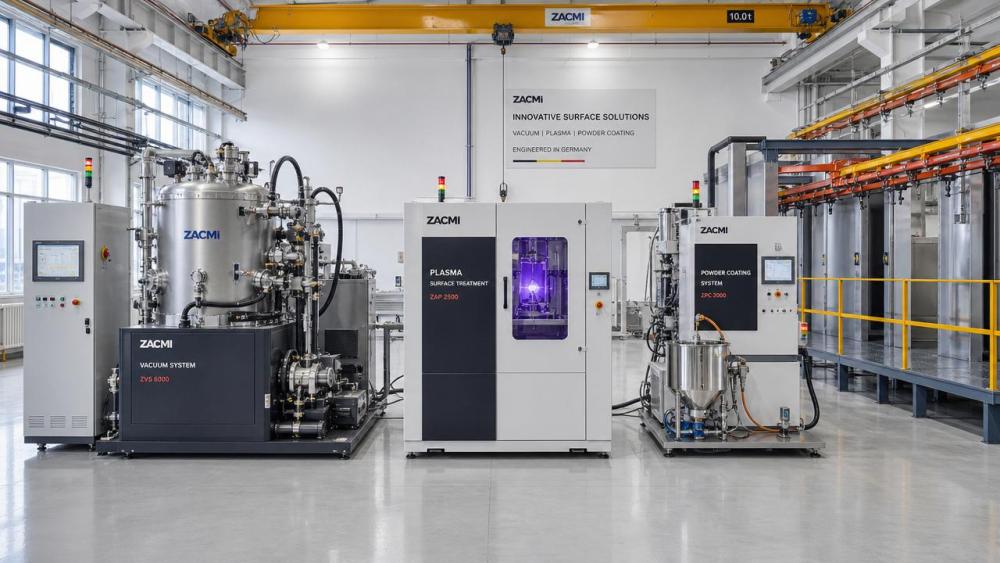
According to the information provided, the IAA strengthens foreign investment access review and explicitly places vacuum systems, including Roots and Dry Screw equipment, plasma surface treatment equipment, and powder coating lines within a key regulatory scope tied to the localization of strategic technologies.
The same information indicates that importers will be required to provide supply chain transparency declarations, proof of technology authorization compliance, and carbon footprint data. The policy directly affects Chinese exporters of related equipment, particularly in CE compliance procedures, delivery timelines, and the building of localized service capabilities.
Where the Pressure Is Likely to Appear First
Documentation burdens move closer to the front of the sales cycle
From an industry perspective, direct trading companies and exporters may be affected first because the new review focus is tied to documentation that supports import access. The practical impact is likely to appear earlier in quotation, contract review, and pre-shipment preparation, where supply chain transparency, technology authorization, and carbon-related disclosures become more relevant.
Importers and channel partners face higher screening responsibility
EU importers, distributors, and channel-side partners may need to pay closer attention to whether upstream suppliers can provide complete and consistent compliance materials. Analysis shows that this could affect supplier selection, onboarding speed, and communication between overseas manufacturers and EU-side buyers.
Manufacturing and integration projects may see timing risks
For manufacturers, system integrators, and project-based equipment suppliers, the main concern is not only whether equipment can be shipped, but whether supporting documents can keep pace with project milestones. Observably, any gap in technical authorization proof or carbon footprint data could create added friction in delivery planning and acceptance scheduling.
Localized service capability becomes part of commercial readiness
The policy summary specifically points to the impact on localized service capability building. For after-sales providers and companies serving EU customers through long-cycle industrial equipment projects, this suggests that service responsiveness and local coordination may become more closely linked to customer confidence and execution continuity.
What Companies Should Watch in the Coming Months
Track how official wording turns into operational rules
What deserves closer attention is the gap between a policy signal and enforceable operating requirements. Companies should watch how the legislative implementation phase defines actual filing, review, and supporting-document expectations for the listed equipment categories.
Review whether key product lines fall into the sensitive scope
Businesses handling Roots systems, Dry Screw systems, plasma surface treatment equipment, and powder coating lines should reassess whether their current product classification, export documentation, and customer-facing compliance explanations are sufficient for a stricter import review environment.
Prepare document chains before customer requests escalate
Analysis shows that supply chain transparency declarations, technology authorization compliance proof, and carbon footprint data are not isolated paperwork items. They may require coordination across suppliers, legal or licensing functions, and commercial teams, so preparation timing matters as much as document completeness.
Reassess delivery commitments and local support promises
Because the provided information directly links the policy to CE compliance pathways, delivery cycles, and localized service capability, exporters and service teams should pay close attention to whether existing delivery commitments, commissioning schedules, and support arrangements remain realistic under tighter review conditions.
Why This Looks Like More Than a Short-Term Filing Change
Observably, this development can be read as both an immediate compliance issue and a longer-term industrial policy signal. The immediate issue is the upgrade in import review expectations for named equipment categories. The longer-term signal is that strategic-technology localization is becoming more relevant to how industrial equipment is assessed in the EU market.
At the same time, it is more appropriate to understand this as a developing regulatory shift rather than a fully settled end state. The legislative process is in a key implementation period, so the industry still needs to distinguish between confirmed requirements already described and the detailed execution standards that may continue to evolve.
How the Industry May Best Read This Stage
For now, this update is best understood as a concrete tightening of review conditions around selected industrial equipment imports, with the strongest near-term implications in compliance documentation, transaction timing, and service localization. It should not be overstated as a final market outcome, but it is also not a routine policy headline that exporters can ignore.
A balanced reading is that the IAA has already created a clearer compliance signal for vacuum systems and surface treatment equipment, while the full operational impact still depends on how implementation details continue to take shape.
Basis of This Article
This article is based on the user-provided news title, event date, and event summary related to the EU Industrial Accelerator Act and the upgraded import review of vacuum systems and surface treatment equipment. No specific official source link was provided in the input, so the exact official reference still requires ongoing verification.
For this type of industry update, relevant source categories typically include official announcements, company statements, industry association information, authoritative media reporting, and standards-related documents. The areas that still merit follow-up include later official wording, rule implementation details, and how documentation requirements are applied in actual import and project workflows.