
How to Choose a Vacuum Degassing Machine for Resin, Silicone, and Adhesive Processing
Choosing the right vacuum degassing machine shapes product strength, surface finish, and batch stability.
That matters in resin casting, silicone mixing, and adhesive preparation, where trapped air causes defects fast.
A poor equipment match can lead to voids, weak bonding, overflow, and longer cycle times.
A better match improves process control, supports quality targets, and reduces material waste.
This guide explains how to compare a vacuum degassing machine with confidence and clear buying logic.
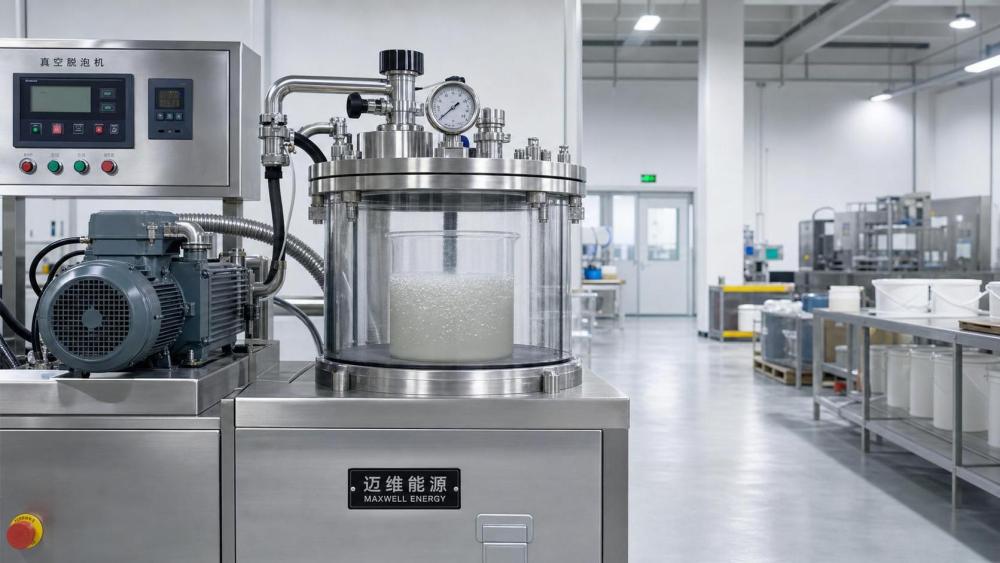
In practical sourcing, the best decision starts with the material, not the brochure.
Once material behavior is clear, machine specifications become much easier to judge.
Start with Material Behavior and Process Risk
Every vacuum degassing machine performs differently depending on viscosity, foaming tendency, and curing speed.
Low-viscosity resin usually releases bubbles faster than filled silicone or thixotropic adhesive.
Some materials swell aggressively under vacuum before collapsing and stabilizing.
That is why chamber height and controlled vacuum ramping often matter more than peak vacuum alone.
For reactive adhesives, timing is especially important because pot life limits the workable cycle.
For platinum silicone, contamination risk and process cleanliness may affect curing performance.
For filled epoxy, bubble release may be slower because particles restrict air movement.
So before selecting a vacuum degassing machine, define material response under vacuum in realistic production conditions.
Key material questions to confirm
- What is the viscosity range during mixing and degassing?
- How much does the material foam at reduced pressure?
- How long is the available processing window before curing starts?
- Is the formulation moisture-sensitive, solvent-bearing, or contamination-sensitive?
- Does the process run by batch, semi-batch, or continuous flow?
Evaluate Vacuum Performance Beyond the Headline Number
A vacuum degassing machine should not be judged only by ultimate pressure.
In many resin and adhesive applications, stable and repeatable vacuum is more valuable than an extreme specification.
Pump-down speed affects cycle time, but control accuracy affects product consistency.
A system that pulls vacuum too fast can trigger overflow, heavy foaming, or material loss.
A system that reacts too slowly may extend processing time and reduce line efficiency.
This makes control design a central factor in vacuum degassing machine selection.
Look for these vacuum-related features
- Adjustable vacuum ramp rate for foam-prone materials
- Stable holding pressure during dwell periods
- Reliable vacuum gauge and easy calibration access
- Pump capacity matched to chamber volume and load
- Venting control to avoid sudden pressure shock
Dry pumps may suit cleaner processes and lower maintenance expectations.
Oil-sealed pumps may still perform well, but maintenance and contamination controls must be reviewed carefully.
In short, the best vacuum degassing machine balances pressure level, speed, and control stability.
Match Chamber Design to Batch Size and Container Geometry
Chamber design has a direct impact on usability and real throughput.
Many buying mistakes happen because nominal chamber volume looks large enough on paper.
But effective working space changes when containers expand, foam rises, or fixtures occupy room.
A vacuum degassing machine should fit the actual vessel, not only the material weight.
Lid opening direction, loading height, and seal design also influence daily operation.
When batches are frequent, ergonomic access becomes a productivity issue, not a small detail.
Practical chamber selection points
- Allow headspace for foam expansion, not just liquid fill volume
- Check internal height for buckets, cartridges, or mixing tanks
- Confirm seal material compatibility with resin, silicone, or solvents
- Review lid visibility if operators need to observe bubble collapse
- Consider mobile or floor-standing formats based on plant layout
If future product sizes may change, leaving some chamber flexibility can reduce replacement risk later.
Compare Throughput, Automation, and Workflow Fit
A vacuum degassing machine should support the whole process rhythm, not only one isolated step.
That means comparing batch frequency, loading method, operator time, and downstream transfer needs.
For smaller production, a manual chamber may be enough and cost-effective.
For higher volumes, automation can cut variation and free labor for other tasks.
This is especially true when degassing time is predictable and recipes repeat often.
In real operations, workflow fit often decides whether the equipment delivers expected value.
Useful automation options
- Recipe storage for different resin, silicone, and adhesive products
- Automatic vacuum and vent cycles for repeatability
- Data logging for quality records and traceability
- Interlocks for safe lid operation and pressure release
- Integration with mixers, dispensers, or transfer stations
If traceability matters, data export can be a strong differentiator.
That can help support quality audits, customer complaints, and process optimization work.
Check Cleanability, Maintenance, and Total Operating Cost
Purchase price is only one part of the decision.
A vacuum degassing machine with difficult cleaning or frequent pump service can become costly over time.
Sticky materials make surface finish, drainability, and access points very important.
If contamination between formulations is a risk, cleaning validation may also matter.
This is more relevant when switching colors, chemistries, or regulated product lines.
The most economical vacuum degassing machine is usually the one that minimizes hidden downtime.
Questions that reduce ownership risk
- How often do seals, filters, and pump consumables require replacement?
- Are spare parts stocked locally or shipped internationally?
- How long does routine chamber cleaning usually take?
- Can maintenance be done by site technicians without special tools?
- Is preventive service guidance documented and easy to follow?
Suppliers that provide service intervals, parts lists, and realistic uptime guidance are usually easier to trust.
Use a Shortlist Framework Before Final Supplier Comparison
Once technical needs are mapped, shortlisting becomes more objective.
This stage should compare capability, risk, service strength, and long-term fit.
A structured review also helps avoid buying based on price alone.
For many teams, the simplest method is a weighted checklist.
That keeps discussions aligned when technical, quality, and sourcing priorities differ.
If possible, request a material trial using actual resin, silicone, or adhesive formulations.
That often reveals issues no specification sheet can show.
For example, bubble collapse time, overflow behavior, and cleaning effort may differ sharply between machines.
A good trial can also support internal approval and reduce decision friction.
The right vacuum degassing machine is not simply the strongest system.
It is the one that fits material behavior, process speed, maintenance reality, and quality expectations.
That is usually where better yield and lower risk start to show.
Use these criteria to build a sharper shortlist, ask better supplier questions, and move toward a more reliable buying decision.