
On July 12, 2026, the FDA revised the Produce Safety Rule under 21 CFR Part 112, adding a clear compliance requirement for Cleanroom Ultrasonic cleaning systems used in food and pharmaceutical cleanroom environments. For manufacturers exporting this type of equipment to the United States, the change matters because electronic records and audit trail capability are no longer a secondary system feature but a compliance condition tied to market access, inspection readiness, and importer acceptance.
What the amendment now requires
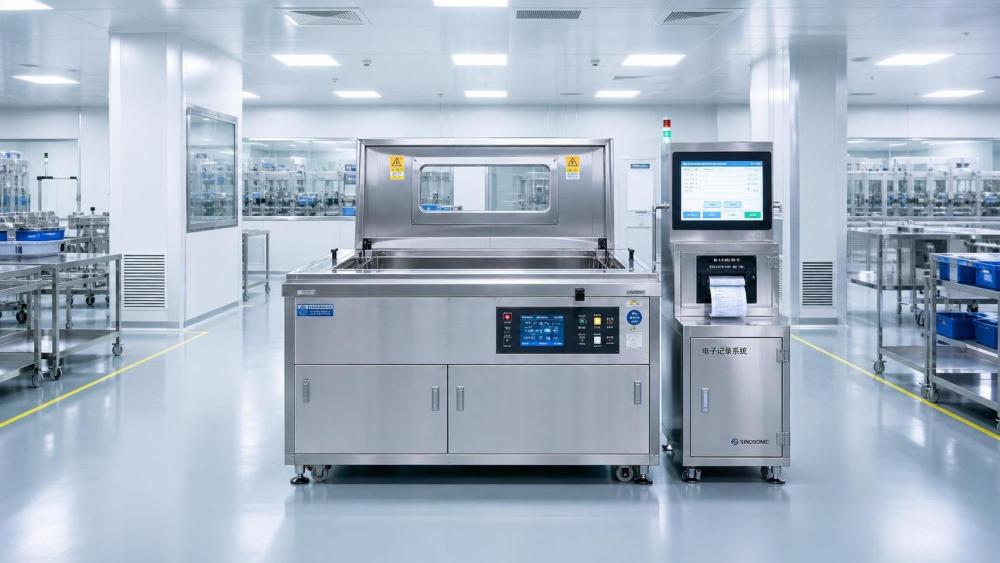
According to the information provided, the FDA amendment requires Cleanroom Ultrasonic cleaning systems used in food and pharmaceutical cleanrooms to support electronic records and audit trail functions in line with 21 CFR Part 11. The required record elements include operator ID, timestamps, and logs of parameter changes.
The rule applies to all manufacturers exporting this category of equipment to the U.S. market. Enforcement is scheduled to begin on January 1, 2027.
The same information indicates that equipment failing to meet the requirement will not be able to pass FDA on-site inspections or obtain acceptance under importer quality agreements.
Where the impact is likely to be felt first
Export-oriented equipment makers face a direct compliance threshold
From an industry perspective, manufacturers shipping Cleanroom Ultrasonic systems to the U.S. are the first group affected because the requirement is tied directly to product capability. The pressure point is not only product design, but also how compliance-related functions are defined, documented, and presented during customer review or regulatory inspection.
Importers and procurement teams will need closer equipment qualification checks
For importers and purchasing teams, the impact is likely to appear in supplier qualification and quality agreement review. If audit trail functions are now part of the expected compliance baseline, procurement decisions may increasingly depend on whether a system can demonstrate operator identification, time-stamped records, and traceable parameter change history.
Cleanroom users may see the requirement shift into acceptance and validation steps
Operators in food and pharmaceutical cleanroom environments may be affected through equipment selection, onboarding, and internal quality review. Analysis shows that the practical issue is whether the installed system can support the records expected during inspections and customer audits, rather than only whether the cleaning function itself is acceptable.
Service and supply chain partners may be drawn into documentation workflows
Service providers and supply chain partners may also see indirect effects where installation, configuration, maintenance, or handover documents are involved. What deserves closer attention is whether supporting parties are expected to align their deliverables with the electronic record and audit trail expectations now attached to the equipment.
What companies should watch before the 2027 deadline
Track how the rule is described in formal compliance discussions
Companies should watch for any subsequent official wording, interpretive clarification, or customer-side compliance language related to the amendment. The core issue is not to assume that a general digital interface equals Part 11-aligned traceability.
Review whether current system functions match the named record elements
In practical terms, the named elements in the provided information are specific: operator ID, timestamps, and parameter modification logs. Manufacturers and buyers should focus on whether existing systems actually capture and retain these items in a form that can be reviewed during qualification or inspection.
Recheck supplier documentation and customer-facing materials
For exporters, a near-term priority is likely to be documentation readiness. That includes technical descriptions, qualification materials, and compliance-related records used in discussions with importers or end users. Analysis shows that missing or unclear documentation can become a commercial issue even before formal enforcement begins.
Prepare for longer review cycles in export and purchasing processes
Observably, once compliance features become part of purchasing and quality review, review cycles may become more document-driven. Companies involved in quoting, delivery, and customer communication should pay attention to how this requirement could affect approval timing, acceptance criteria, and contract discussions tied to U.S.-bound equipment.
Why this looks like more than a narrow product update
Analysis shows that this development should not be read only as a technical feature adjustment for ultrasonic cleaning systems. It points to a compliance expectation in which equipment functionality and traceable electronic records are being treated together. That matters because the requirement is linked not only to use in regulated cleanroom settings, but also to inspection outcomes and importer quality acceptance.
It is more appropriate to understand this as a concrete regulatory signal with a defined enforcement date, rather than as a distant policy discussion. At the same time, some operational implications still require continued observation, especially in how buyers, importers, and inspection processes apply the requirement in practice.
How to read the development at this stage
At this stage, the amendment is best understood as a near-term compliance and market-access issue for manufacturers exporting Cleanroom Ultrasonic systems to the United States. The confirmed facts already establish the direction clearly: electronic records and audit trail capability are now part of the expected equipment baseline for the specified cleanroom use case.
A cautious reading is still necessary. The rule is confirmed, the enforcement date is defined, and the commercial consequence of non-compliance is explicit in the provided information. What remains worth watching is how this requirement is translated into product review, qualification expectations, and day-to-day procurement decisions across the supply chain.
Basis of this article and points for continued verification
This article is based on the user-provided news title, event date, and event summary. The available information identifies the FDA amendment date, the regulatory requirement for Part 11-aligned electronic records and audit trails, the affected equipment category, the scope covering manufacturers exporting to the U.S., the January 1, 2027 enforcement date, and the stated non-compliance consequences.
For this type of industry update, commonly relevant source categories may include official regulatory announcements, company statements, industry association updates, authoritative media reporting, and standards-related documents. A specific official source link was not provided in the input, so the exact source document should continue to be verified. Continued attention should focus on any formal clarifications, downstream customer requirements, and practical inspection or quality agreement expectations connected to this amendment.