
Industrial Coating Systems Selection Guide: Process Types, Throughput, and Finish Quality
Selecting the right industrial coating systems can directly affect throughput, finish quality, compliance, and operating cost.
That matters more now because manufacturers face tighter delivery windows, rising quality expectations, and stronger environmental pressure.
A coating line is no longer just a finishing step.
It influences corrosion resistance, product appearance, rework rates, energy use, and long-term brand perception.
For companies comparing industrial coating systems, the best choice depends on substrate type, output targets, finish requirements, and compliance risk.
This guide breaks the decision into practical factors that support faster, lower-risk investment decisions.
Why Industrial Coating Systems Need a Business-First Evaluation
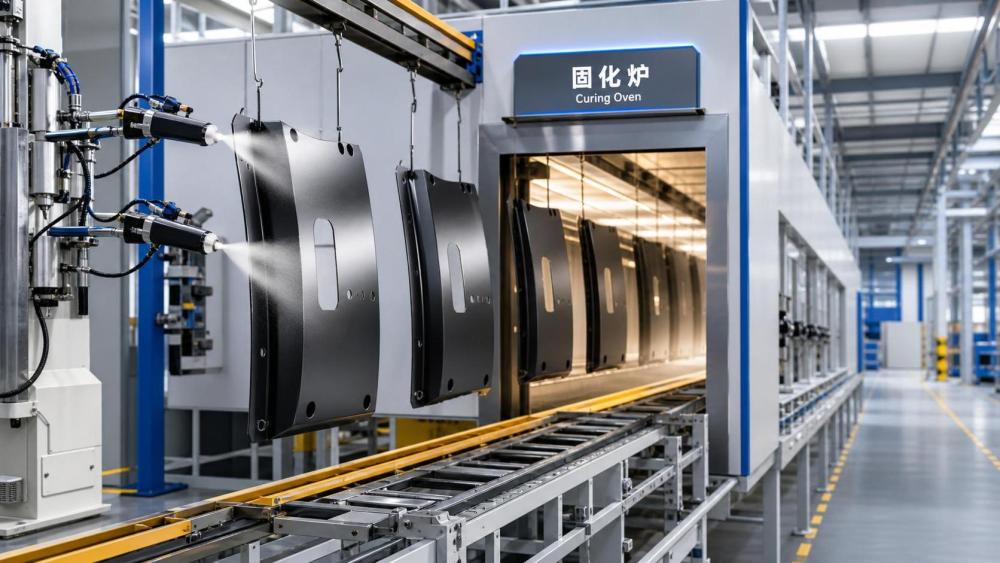
Many coating projects start with finish appearance.
In practice, the bigger issue is total production performance.
Industrial coating systems affect takt time, floor space, labor allocation, maintenance planning, and audit readiness.
They also interact with upstream cleaning and pretreatment quality.
That is why a coating decision should connect operations, quality, procurement, and compliance teams early.
A low-cost system may look attractive during sourcing.
But if transfer efficiency is weak, cure time is long, or coating defects increase, the true cost rises fast.
The more useful question is simple.
Which industrial coating systems can deliver the required finish quality at the target throughput with acceptable operating risk?
Main Process Types and Where They Fit Best
Not all industrial coating systems solve the same production problem.
The right process depends on material, geometry, finish expectations, and environmental limits.
Powder Coating Systems
Powder coating is widely used for metal components that need durability and strong visual consistency.
It supports good edge coverage and reduces solvent-related emissions.
This option often fits appliances, architectural parts, industrial cabinets, and fabricated metal products.
Its main limits include oven requirements and sensitivity to pretreatment quality.
Liquid Coating Systems
Liquid systems remain important for complex colors, thin films, and heat-sensitive substrates.
They are common in automotive components, machinery, plastics, and mixed-material assemblies.
Industrial coating systems in this category can use spray, dip, or flow methods.
The tradeoff is usually higher VOC management and more attention to overspray control.
Electrostatic Coating Systems
Electrostatic application improves transfer efficiency by attracting charged particles to grounded parts.
It can be used with powder and certain liquid coating processes.
For high-volume lines, this can lower material waste and support more stable finish quality.
However, part geometry and grounding quality must be carefully managed.
E-Coat and Specialty Systems
E-coat works well when deep corrosion protection and uniform film build are critical.
Specialty industrial coating systems may also include UV-curing, anti-corrosion, anti-static, or chemical-resistant solutions.
These systems usually need stronger process discipline but may create clear product differentiation.
How Throughput Changes the Best System Choice
Throughput is often the turning point in industrial coating systems selection.
A process that works in pilot production may fail once demand scales.
That is why line speed should be reviewed with actual production data, not nameplate assumptions.
Start with these questions:
- How many parts must be coated per shift?
- What is the acceptable cycle time per part?
- How much product mix variation enters the same line?
- How often will color changes or cleaning interruptions occur?
- What level of automation is required to stabilize output?
For low-volume, high-mix production, flexible liquid coating systems may offer better changeover control.
For repetitive, high-volume output, automated powder or electrostatic systems often perform better.
Conveyor design also matters.
If hanging density, part spacing, or cure time is misjudged, throughput drops even when the spray technology is sound.
Finish Quality: What Should Be Measured Before Investment
Finish quality should be defined in measurable terms before supplier comparison begins.
Without that, different industrial coating systems can appear comparable when they are not.
Key finish indicators usually include film thickness, gloss, adhesion, color consistency, texture, corrosion resistance, and defect rate.
In practical sourcing, decision-makers should request sample panels and real-part trials.
This reveals whether the process can handle corners, recesses, sharp edges, and mixed geometries.
It also shows how stable the finish remains during longer production runs.
This is where upstream auxiliary systems become important.
Poor cleaning, unstable batching, or weak air and vacuum support can undermine even advanced industrial coating systems.
Cost, Compliance, and Operational Risk
Purchase price alone does not define value.
A stronger evaluation compares total cost of ownership across the expected equipment life.
For industrial coating systems, major cost drivers usually include:
- Coating material consumption and transfer efficiency
- Energy demand for curing, ventilation, and climate control
- Labor for operation, color change, inspection, and cleaning
- Maintenance, spare parts, and downtime exposure
- Waste treatment, emissions control, and documentation burden
Compliance can quickly reshape the economics.
If a system creates VOC, hazardous waste, or difficult reporting duties, the hidden cost can be significant.
More buyers now favor industrial coating systems that support cleaner operations and easier audit preparation.
This trend is especially clear in export-oriented production.
Consistent documentation, traceability, and process repeatability are becoming part of commercial competitiveness.
A Practical Selection Checklist for Smarter Coating Decisions
A structured selection process reduces expensive surprises later.
When comparing industrial coating systems, use a checklist that connects technical fit with business goals.
- Define the substrate, part size range, and required coating performance.
- Map actual throughput targets, including future capacity expansion.
- Review pretreatment, cleaning, drying, and curing compatibility.
- Validate sample output using real production parts.
- Compare energy use, material efficiency, and maintenance needs.
- Check compliance requirements for emissions, safety, and documentation.
- Confirm supplier service capability, training support, and spare parts access.
In actual projects, the best industrial coating systems are rarely the most complex.
They are the ones that stay stable under daily production pressure.
That means predictable finish quality, manageable operating cost, and enough flexibility for future demand changes.
Final Takeaway
Choosing industrial coating systems is a strategic manufacturing decision, not a simple equipment purchase.
The right system balances process type, throughput, finish quality, compliance, and lifetime operating cost.
A disciplined evaluation also looks beyond the coating booth itself.
Cleaning precision, batching accuracy, airflow stability, and surface preparation all shape final results.
If the goal is stronger yield, fewer defects, and better long-term product value, compare industrial coating systems with real production data and cross-functional input.
That approach leads to a coating investment that performs well on paper and on the factory floor.