
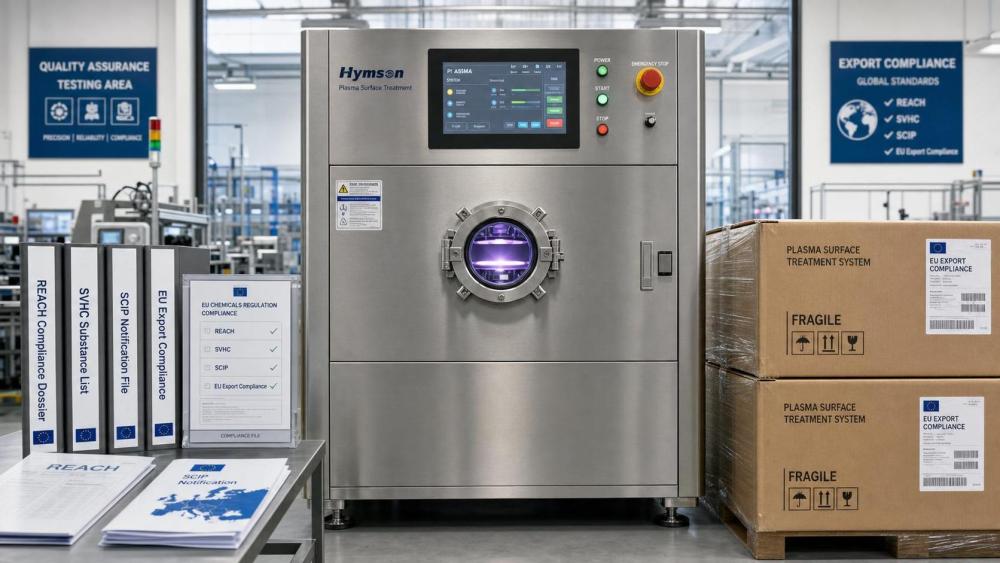
On June 29, 2026, the European Chemicals Agency (ECHA) added three new fluorinated surfactants to the SVHC Candidate List, a development that matters directly to the Plasma Surface Treatment equipment trade because these substances are used in cleaning and activation aids within the process. From October 2026, equipment containing these substances and placed on the EU market or imported into the bloc will require SCIP database notification and safe-use guidance, making this a practical compliance issue for exporters, technical documentation teams, certification workflows, and delivery planning.
What the June 29 update confirms
The confirmed change is that ECHA formally included three new fluorinated surfactants in the SVHC Candidate List on June 29, 2026. According to the provided event summary, these substances are widely used in cleaning and activation aids associated with plasma surface treatment processes.
The same summary states that from October 2026, Plasma Surface Treatment equipment containing such substances must complete SCIP database notification and provide safe-use instructions when the equipment is placed on the EU market or imported into the EU.
The confirmed business relevance identified in the input is that this change directly affects Chinese exporters in relation to delivery timelines to Europe, preparation of technical documents, and the combined CE plus REACH compliance pathway.
Where the operational impact is likely to appear first
Export-facing equipment suppliers may face documentation pressure
From an industry perspective, companies directly shipping Plasma Surface Treatment equipment to EU customers are likely to feel the impact first because the new requirement is tied to market placement and import into the EU. The main pressure points are likely to be pre-shipment compliance review, material-related declarations, and the timing needed to prepare safe-use guidance alongside product files.
Manufacturing teams may need closer coordination with material inputs
Analysis shows that manufacturers involved in assembly or final integration may need to pay closer attention to whether cleaning or activation-related aids used in the equipment fall within the newly listed substance category. The practical effect is likely to appear in internal material screening, bill-of-material review, and coordination between engineering, compliance, and export documentation functions.
Supply chain and certification service providers may see longer handoff cycles
Observably, service providers supporting customs, technical files, or certification workflows may also be affected because the summary specifically points to delivery schedules and the CE plus REACH route. Where substance identification or document completeness is delayed, handoff timing across compliance and shipment stages could become tighter.
EU buyers and procurement teams may request more upfront clarity
What deserves closer attention is that purchasers and import-side partners in the EU may seek earlier confirmation on SCIP notification status and safe-use information. In practice, this can shift more compliance communication to the quotation, contracting, and delivery preparation stages rather than leaving it to final shipment.
What companies should watch in the next phase
Check whether affected substances are present in relevant equipment
The first practical issue is substance exposure within the product scope. Companies handling Plasma Surface Treatment equipment for the EU market need to identify whether the newly listed fluorinated surfactants are present in the equipment context described in the event summary, especially where cleaning and activation aids are involved.
Prepare SCIP-related materials before shipment windows tighten
The October 2026 implementation point means preparation time matters. Analysis shows that companies should focus on whether their internal document flow can support SCIP notification and the delivery of safe-use guidance within existing export schedules.
Review how REACH work connects with CE documentation
The summary explicitly notes pressure on the combined CE plus REACH certification path. What deserves closer attention is not only whether each file exists, but whether compliance teams have aligned the sequence, ownership, and completeness of documentation across both tracks.
Strengthen supplier and customer communication
Observably, this is also a communication issue. Suppliers may need clearer declarations or confirmations related to relevant materials, while EU customers may require earlier notice on compliance status, lead-time implications, and document availability before delivery milestones are fixed.
Why this looks like more than a short-lived filing issue
Analysis shows that this update should not be read only as an isolated paperwork change. It signals that substance compliance and equipment export compliance are becoming more tightly connected in the Plasma Surface Treatment segment, especially where auxiliary process chemicals affect market access obligations.
At the same time, it would be premature to present this as a fully settled long-term outcome beyond the confirmed requirements in the input. It is more appropriate to understand this as a concrete near-term compliance change with broader implications that still need continued observation in day-to-day implementation.
How to read the update at this stage
For the industry, the immediate significance of this event lies in execution rather than headline value. The confirmed change creates a defined compliance task from October 2026 for affected Plasma Surface Treatment equipment entering the EU market, while the broader commercial effect will depend on how quickly exporters, manufacturers, and service partners adapt their documentation and delivery processes.
It is more appropriate to understand this update as a short-term operational requirement and a longer-term regulatory signal. The rule impact described in the input is already specific enough to require preparation, but its wider effect on trade workflows and certification routines still deserves continued monitoring.
Basis of this report and points for continued verification
This article is based on the user-provided news title, event date, and event summary. For reporting of this type, commonly relevant source categories may include official notices, company disclosures, industry association updates, authoritative media reporting, and standard-setting or regulatory documents.
No specific official source link was provided in the input, so the underlying official documentation and any follow-up wording should continue to be verified. What remains worth tracking is whether there are further official clarifications affecting SCIP notification practice, safe-use guidance expectations, or the operational connection between REACH-related obligations and CE documentation for Plasma Surface Treatment equipment.