
Automotive Parts Surface Treatment Cost: Comparing Plating, Coating, and Plasma
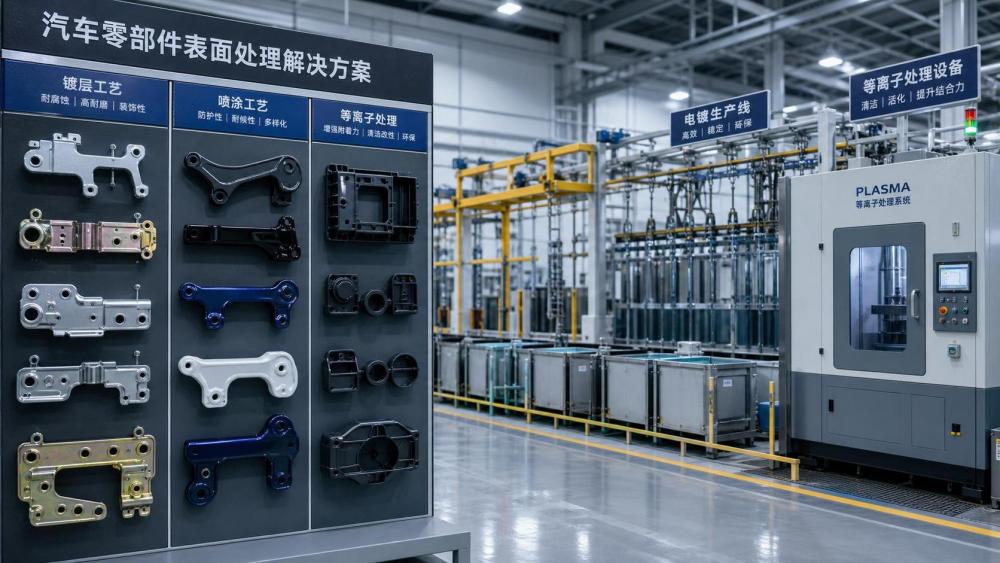
Understanding automotive parts surface treatment cost is no longer a narrow engineering issue. It directly affects sourcing strategy, warranty risk, export compliance, and long-term production stability.
For many buyers, the challenge is not finding a surface process. The challenge is choosing the right one without overpaying for performance that the part does not need.
That is why automotive parts surface treatment cost should be reviewed through both direct pricing and total value. Unit cost alone rarely tells the full story.
Plating, coating, and plasma each solve different problems. They differ in material compatibility, corrosion resistance, line speed, tooling needs, energy use, and defect sensitivity.
In actual sourcing work, a lower quoted process can create higher downstream costs. Rework, adhesion failure, appearance rejection, and compliance issues often erase early savings.
This article compares automotive parts surface treatment cost across the three main options. The goal is to support better supplier evaluation and more predictable purchasing decisions.
Why automotive parts surface treatment cost varies so much
Surface treatment pricing can vary sharply, even for parts that look similar. The reason is that process cost depends on far more than part size.
A small bracket with deep recesses may cost more than a larger flat cover. Geometry changes chemical flow, coating uniformity, masking labor, and inspection difficulty.
Material also matters. Steel, aluminum, zinc alloy, and engineering plastics need different pre-treatment methods, and those steps influence automotive parts surface treatment cost significantly.
Volume is another pricing driver. High-volume contracts can spread tooling, line setup, bath maintenance, and process validation across more units.
Specification level raises cost fast. Salt spray hours, film thickness, gloss range, color consistency, and adhesion standards all add control requirements.
More noticeably, compliance pressure is reshaping cost structures. Wastewater control, VOC management, and restricted substance rules are now part of the real process price.
Plating cost: strong protection, but higher process complexity
Plating remains common for fasteners, connectors, brackets, trim parts, and wear-related components. It delivers strong corrosion resistance and a controlled metallic finish.
When reviewing automotive parts surface treatment cost, plating often shows a mid-to-high direct cost. The price is shaped by chemistry, bath control, fixturing, and environmental treatment.
Common automotive plating options include zinc, nickel, chrome, and zinc-nickel systems. Each has a different performance profile and cost structure.
Zinc plating is often selected for basic corrosion protection at a relatively manageable price. Zinc-nickel costs more, but it performs better in severe environments.
Nickel and chrome systems can deliver attractive appearance and surface hardness. However, decorative requirements raise rejection risk if color or brightness varies between batches.
Plating also carries hidden cost points:
- Extensive cleaning and activation before deposition
- Wastewater and sludge treatment requirements
- Hydrogen embrittlement control for high-strength steel
- Thickness testing and post-treatment sealing
So, plating can be cost-effective when corrosion resistance is critical and specifications are clear. It becomes expensive when part geometry, compliance burden, or cosmetic expectations increase.
Coating cost: flexible and scalable for many automotive parts
Coating covers a broad family of processes, including powder coating, e-coating, liquid painting, and specialized protective films. That flexibility makes cost comparison especially important.
In many projects, coating offers the most balanced automotive parts surface treatment cost. It can combine decent corrosion resistance, appearance control, and efficient production economics.
Powder coating is often attractive for metal components needing durable coverage and strong edge protection. It reduces solvent concerns, but curing energy still affects operating cost.
E-coating performs well on complex shapes because deposition reaches recessed areas more consistently. For chassis and structural parts, this can improve durability and reduce field failures.
Liquid coating remains useful where color matching, finish variation, or substrate sensitivity matter. Still, overspray loss and VOC controls can push cost upward.
Cost drivers in coating usually include:
- Surface preparation quality before application
- Transfer efficiency and material utilization
- Curing oven time and energy demand
- Color change frequency and line cleaning
- Appearance inspection and rework rates
From a sourcing perspective, coating often wins when appearance and productivity must stay in balance. It is especially practical for medium-to-high volume automotive programs.
Plasma cost: lower material use, higher equipment intensity
Plasma treatment is different from plating and coating. In many automotive applications, it prepares or modifies the surface instead of adding a thick protective layer.
That means automotive parts surface treatment cost for plasma should be judged by function. Plasma is often used to improve adhesion, cleaning quality, wettability, or bonding consistency.
It is common in plastic components, electronic housings, sensor parts, seals, and assemblies needing better adhesive or coating performance.
At first glance, plasma may appear expensive because the equipment cost is high. However, chemical consumption is lower, and process cleanliness can reduce scrap in downstream steps.
For example, if plasma treatment improves paint adhesion on low-surface-energy plastic, it may prevent recurring rework and customer complaints. That changes the real cost picture quickly.
Plasma becomes more attractive when:
- Adhesion failure creates high claim risk
- Chemical cleaning is restricted or unstable
- Precision parts need dry, controlled treatment
- Traceable, repeatable surface activation is required
So plasma is rarely the cheapest option in simple price comparison. Yet in high-value parts, it can lower total manufacturing risk.
Direct cost versus total cost of ownership
A useful way to compare automotive parts surface treatment cost is to separate quoted process price from total cost of ownership.
Quoted price usually includes application, materials, labor, and basic quality checks. That is important, but it does not capture downstream impact.
Total cost of ownership should include part rejection, corrosion returns, assembly issues, logistics delays, audit findings, and supplier inconsistency.
The table below offers a practical comparison.
In real procurement work, this broader view prevents under-specifying critical parts and over-specifying routine ones. That balance is where better margin control usually starts.
How to evaluate suppliers beyond the price quote
A competitive quote does not always mean a competitive supplier. Automotive parts surface treatment cost should be verified against process capability and control discipline.
Start with technical fit. Ask whether the proposed process matches the substrate, geometry, corrosion target, and downstream assembly requirements.
Then review consistency. Stable thickness, adhesion, gloss, and coverage matter more than an aggressive opening price.
Useful supplier questions include:
- What pre-treatment controls are documented and monitored?
- How are salt spray, adhesion, and thickness validated?
- What is the historical defect or rework rate?
- How are restricted substances and emissions managed?
- Can the line support forecast volume without quality drift?
This is also where platforms like GIAS create value. Better equipment visibility and process insight help compare supplier claims with actual manufacturing capability.
Which process fits which purchasing scenario
There is no universal winner in automotive parts surface treatment cost. The right decision depends on the part’s job, failure consequence, and expected service environment.
Plating is often the stronger choice for metal parts needing proven corrosion resistance in demanding environments. It suits technical components where protective performance is non-negotiable.
Coating usually fits visible parts, structural parts, and larger-volume programs where appearance, flexibility, and throughput all matter.
Plasma works best when bonding, printing, sealing, or coating reliability depends on a highly controlled surface condition. It is especially relevant for plastics and precision assemblies.
A practical selection path looks like this:
- Define the failure mode that matters most.
- Match the process to material and geometry.
- Estimate automotive parts surface treatment cost beyond the quote.
- Check supplier controls, compliance, and scale readiness.
- Validate with pilot samples before full release.
That approach reduces surprises and supports cleaner cost negotiations based on measurable technical needs.
Final takeaway for cost-driven surface treatment decisions
Automotive parts surface treatment cost should never be treated as a simple line-item comparison. The cheapest process can become the most expensive if it fails in service.
Plating offers strong protection but brings higher chemical and compliance complexity. Coating provides broad flexibility and often the best balance for volume programs. Plasma adds value when adhesion and cleanliness define quality success.
The smarter buying decision comes from linking process choice with corrosion targets, appearance needs, regulatory pressure, and supplier process stability.
If the goal is better sourcing accuracy, start by comparing not only process prices, but also defect risk, compliance burden, and long-term manufacturing efficiency. That is where real cost control becomes visible.