
Why Supplier Evaluation Matters in Food Processing
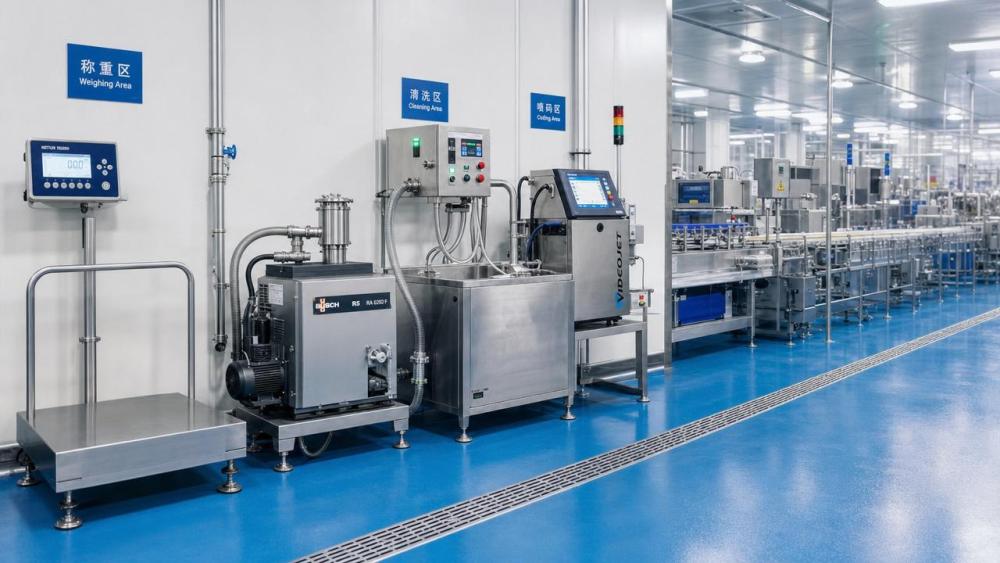
Choosing a food processing auxiliary equipment supplier is not only about price. It is about compliance, uptime, product safety, and long-term operating control.
In food plants, auxiliary systems often sit beside core production lines. Still, they strongly influence output quality and plant stability.
Cleaning units, coding systems, industrial weighing, batching controls, vacuum pumps, and surface treatment tools all affect traceability and consistency.
That is why evaluating a food processing auxiliary equipment supplier requires a broader view than basic sourcing checks.
A strong supplier helps reduce contamination risk, unplanned downtime, recipe errors, and labeling failures. A weak one usually creates hidden costs later.
From a procurement and cost perspective, the real question is simple. Can this supplier support safe production without creating expensive interruptions?
This guide explains how to assess a food processing auxiliary equipment supplier in a practical and decision-ready way.
Start with Compliance, Not Brochures
The first screen should be compliance capability. Marketing claims are easy to make, but food safety documentation is much harder to fake.
Ask the food processing auxiliary equipment supplier for certifications, material statements, validation records, and market-specific regulatory support.
Depending on the application, relevant references may include ISO 9001, CE, FDA-related material compliance, EHEDG, or other hygienic design standards.
For coding and marking systems, traceability standards matter. For weighing and batching, calibration discipline matters even more.
In actual buying situations, a useful sign is how quickly the supplier provides clear, complete, and current documents.
If documents arrive slowly, look inconsistent, or require repeated clarification, that usually signals future service problems as well.
- Check whether product-contact materials are documented.
- Confirm cleaning and sanitation compatibility.
- Verify calibration, validation, and inspection routines.
- Review export compliance support for target markets.
A reliable food processing auxiliary equipment supplier should make compliance easier, not more confusing.
Evaluate Technical Fit for Real Production Conditions
Compliance alone is not enough. Equipment must work under real production stress, not just under ideal showroom conditions.
A food processing auxiliary equipment supplier should understand washdown routines, shift patterns, ambient humidity, recipe changes, and line speed variation.
This becomes especially important for plants running multiple SKUs or frequent packaging changes.
Ask application-focused questions. Can the coding system stay readable after cold-chain storage? Can the vacuum system maintain stable performance during long cycles?
Can the weighing platform resist corrosion from daily cleaning chemicals? Can the control interface reduce operator error during recipe switching?
Suppliers with deep process understanding usually answer with examples, limits, and trade-offs. Weak suppliers answer with generic promises.
More clearly, the best supplier is not always the one with the most features. It is the one with the best fit for your line.
Questions That Reveal Real Capability
- Which food applications has the supplier already supported?
- What failure points appear most often in similar plants?
- How does the equipment handle sanitation cycles?
- What parts wear fastest, and how often?
- What operator training is required for stable performance?
Measure Uptime Support Before You Place the Order
Uptime is where supplier quality becomes visible. Many sourcing mistakes appear only after installation, when the line starts depending on the system daily.
A capable food processing auxiliary equipment supplier should offer more than hardware. Service structure matters just as much.
Review spare parts availability, technician coverage, remote diagnostics, troubleshooting response times, and preventive maintenance guidance.
This is especially relevant for export buyers or multi-site manufacturers. A machine without support is simply a future delay.
One practical way to compare suppliers is to ask for a service map. Where are parts stored? Who handles local commissioning? What is the average emergency response?
If the supplier cannot answer clearly, uptime risk is probably higher than expected.
Key Uptime Indicators to Compare
A food processing auxiliary equipment supplier with strong uptime support often protects total cost better than a cheaper supplier with weak follow-up.
Look Beyond Purchase Price to Total Cost
Price is visible. Total cost is not. That difference often drives the final success or failure of an equipment sourcing decision.
A lower quote from a food processing auxiliary equipment supplier may hide higher maintenance cost, shorter service life, more consumables, or more downtime.
For example, an inexpensive coding system may increase rework if print quality drops. A cheaper vacuum pump may consume more energy over time.
A low-cost weighing unit may drift more often, increasing calibration checks and recipe risk.
In practical procurement work, comparing lifecycle cost creates a more realistic view than comparing invoice price alone.
- Estimate energy consumption over one year.
- Add consumables and wear parts cost.
- Include calibration, cleaning, and maintenance labor.
- Model the cost of one hour of downtime.
- Review warranty scope and exclusions.
Once those numbers are visible, the best food processing auxiliary equipment supplier often becomes easier to identify.
Check Supply Reliability and Business Readiness
Technical quality matters, but supply reliability also decides whether the project stays on schedule.
A food processing auxiliary equipment supplier should show stable lead times, organized export handling, and consistent communication.
This matters even more when custom configurations are involved. Small changes in voltage, hygiene design, or software language can affect delivery.
Look for signs of business maturity. Are quotations detailed? Are technical deviations listed clearly? Is after-sales responsibility written into the offer?
A dependable supplier usually documents scope, interfaces, exclusions, and acceptance conditions before the order is placed.
That level of clarity reduces disputes later and supports smoother project execution.
Warning Signs During Supplier Review
- Technical answers stay vague after repeated questions.
- Certificates are outdated or incomplete.
- Lead times shift without explanation.
- Spare parts planning is not documented.
- Reference projects cannot be verified.
Use a Simple Supplier Scorecard Before Final Selection
When several suppliers look similar, a scorecard helps turn opinion into a more structured decision.
This is often the easiest way to compare each food processing auxiliary equipment supplier on the same basis.
Use weighted criteria based on production risk, not just commercial preference.
- Compliance and documentation readiness.
- Application fit and technical confidence.
- Uptime support and spare parts access.
- Lifecycle cost and energy efficiency.
- Lead time, communication, and project control.
This also creates a useful internal record. If questions come later, the sourcing logic remains clear and defendable.
From recent market changes, that kind of discipline has become more valuable, especially when compliance pressure and operating cost both keep rising.
Final Takeaway for a Smarter Sourcing Decision
The right food processing auxiliary equipment supplier does more than ship equipment. It supports safe production, stable output, and predictable operating cost.
The strongest evaluation process starts with compliance, then checks technical fit, uptime support, lifecycle cost, and supply reliability.
That sequence keeps sourcing decisions grounded in plant reality rather than short-term price pressure.
Before placing an order, request documents, challenge assumptions, compare service depth, and score each supplier against real operating needs.
Done well, supplier evaluation becomes a cost-control tool, a compliance safeguard, and a practical path to better uptime.
If the goal is fewer surprises after installation, choosing the right food processing auxiliary equipment supplier is one of the smartest decisions you can make.