
Product Identification System Options: Barcode, Laser, CIJ, and Vision Compared
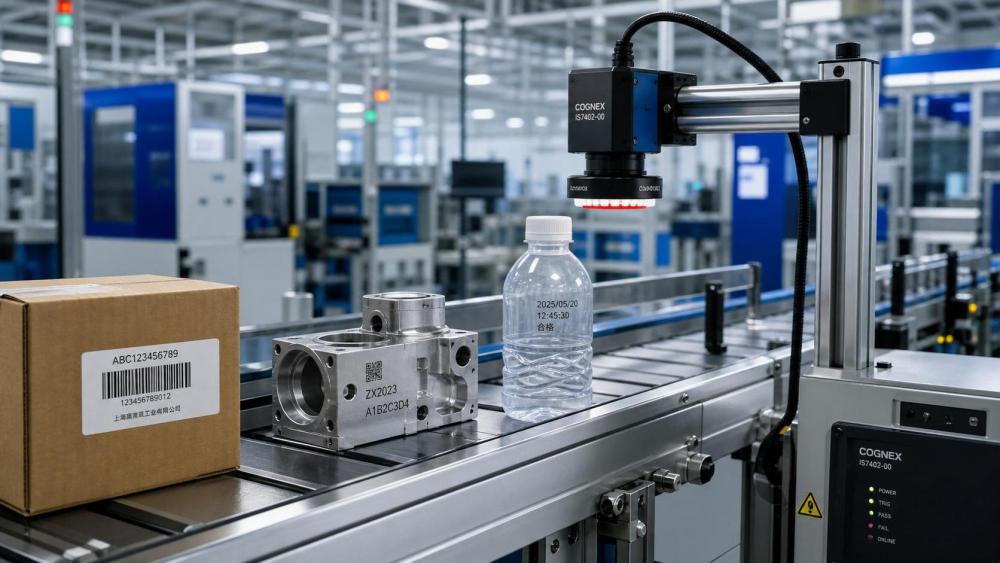
Choosing the right product identification system affects far more than label appearance.
It shapes traceability, compliance readiness, line speed, maintenance effort, and data reliability across the production cycle.
That matters in electronics, food, medical devices, automotive parts, packaging, chemicals, and export-oriented manufacturing.
A weak product identification system can create unreadable codes, audit gaps, rework, shipment delays, and avoidable warranty disputes.
A well-matched system supports stable coding, reliable inspection, and cleaner handoffs between production, quality, and logistics.
In practice, most evaluations narrow to four common options.
These are barcode-based solutions, laser marking, continuous inkjet, and vision-supported identification workflows.
Each product identification system fits different substrates, environments, and control requirements.
The key is not finding the most advanced technology.
The key is choosing the option that stays readable, economical, and manageable under real factory conditions.
What A Product Identification System Must Deliver
Before comparing technologies, define the job clearly.
A product identification system should do three things consistently.
- Create a readable mark or code on the required surface.
- Keep that code legible through storage, transport, and use.
- Connect the code with production data, traceability records, or compliance evidence.
That sounds simple, but conditions change quickly across product categories.
Some lines need permanent direct part marking.
Others need flexible date coding on fast-moving packaging.
Some operations care most about anti-counterfeiting and serial traceability.
Others care about low operating cost and easy operator use.
This also means the best product identification system depends on material, code content, environment, and inspection expectations.
Barcode Systems: Low Cost and Widely Accepted
Barcode solutions remain the most familiar product identification system in many industries.
They are easy to adopt because scanners, printers, labels, and software are widely available.
For cartons, retail packaging, warehouse flows, and internal logistics, barcode methods usually deliver fast value.
Where barcode works well
- Secondary packaging and shipping labels
- Warehouse tracking and inventory control
- Short- to medium-life products
- Operations needing low setup complexity
Main limitations
Labels can peel, fade, tear, or detach in heat, moisture, chemicals, or abrasion.
Barcode quality also drops when print contrast is poor or packaging surfaces are uneven.
So if durability is critical, a label-based product identification system may become a weak point.
Still, for many operations, barcode remains the quickest route to standardized identification.
Laser Marking: Permanent and Precise
Laser marking is often selected when permanence is non-negotiable.
This product identification system creates marks directly on metal, plastic, coated parts, glass, or engineered materials.
That makes it attractive for serialized components, regulatory traceability, and anti-tampering applications.
Why laser stands out
- Permanent direct part marking
- No ink or label consumables
- High precision for QR, Data Matrix, and serial codes
- Strong performance in harsh environments
Laser also supports cleaner traceability in sectors where code integrity must survive the full product life cycle.
The tradeoff is upfront investment, material compatibility testing, and safety integration.
Not every plastic reacts the same way.
Some surfaces need additives, contrast adjustments, or fixture control to achieve stable marks.
So this product identification system usually rewards lines with long production runs and strict traceability needs.
CIJ Coding: Flexible for High-Speed Packaging
Continuous inkjet, or CIJ, is a common product identification system for date, batch, and lot coding.
It performs well on fast production lines and curved or irregular surfaces.
That is why food, beverage, cable, pipe, cosmetics, and pharmaceutical packaging often rely on it.
Where CIJ brings value
- Very high line speed
- Non-contact printing on varied surfaces
- Flexible content changes for batches and dates
- Good fit for primary packaging operations
What to watch carefully
Ink adhesion depends on substrate, drying conditions, and handling.
Maintenance routines matter because nozzle condition directly affects print clarity.
Consumable cost also adds up over time.
For many packaging lines, though, CIJ remains the most practical product identification system when speed and flexibility outrank permanence.
Vision-Based Identification: Verification Becomes Part of the System
Vision is not always the marking method itself.
More often, it strengthens a product identification system by reading, grading, locating, and verifying codes automatically.
This matters when unreadable codes create downstream risk.
A vision layer can confirm code presence, contrast, placement, orientation, and data match before products leave the line.
Best use cases
- Regulated industries with audit pressure
- High-mix manufacturing with frequent changeovers
- Lines using serialization or 2D codes
- Operations needing reject control and quality proof
The challenge is integration quality.
Lighting, positioning, software tuning, and database logic all affect performance.
Even so, a vision-enabled product identification system often reduces costly escapes and manual checking.
Side-By-Side Comparison For Selection
This comparison shows why no single product identification system wins in every scenario.
Selection depends on what failure would cost your operation most.
Five Decision Factors That Matter Most
A practical evaluation usually becomes clearer when five filters are applied early.
- Surface and material behavior. Test adhesion, contrast, and long-term readability.
- Code life requirement. Decide whether the mark must last days, months, or years.
- Line speed and changeover frequency. Fast lines need stable output without operator struggle.
- Compliance and traceability depth. Some sectors need verification, records, and serialized proof.
- Total cost of ownership. Include downtime, consumables, rework, and support, not just purchase price.
From a selection standpoint, these factors reveal the real fit faster than vendor brochures do.
Common Selection Mistakes
Several mistakes appear repeatedly during product identification system projects.
- Choosing by equipment price alone
- Skipping substrate and washdown testing
- Ignoring operator maintenance requirements
- Treating verification as optional in regulated workflows
- Overlooking ERP, MES, or database integration
In real production, these gaps usually surface as rejects, unreadable codes, or traceability disputes.
That is why pilot testing matters before scaling any product identification system across multiple lines.
How To Choose With More Confidence
A strong decision starts with the application, not the technology label.
If you need economical logistics labeling, barcode may be enough.
If you need permanent direct part marking, laser usually leads.
If you need high-speed date or lot coding, CIJ often makes the most sense.
If you need proof that codes are correct every time, vision should be part of the answer.
Many factories ultimately use a hybrid product identification system strategy rather than one standalone method.
That approach aligns well with modern manufacturing, where traceability, compliance, and production efficiency must work together.
The most reliable next step is simple: define the substrate, required code life, inspection level, and line speed, then validate the shortlist under real operating conditions.