
How to Evaluate Industrial Auxiliary Technology Traceability Systems for Multi-Line Production
For procurement teams managing complex factories, selecting the right Industrial Auxiliary Technology traceability systems can directly influence compliance, product consistency, and supplier accountability across multiple production lines.
This guide explains how to evaluate system compatibility, data accuracy, integration capability, and long-term operational value.
The goal is simple: reduce decision risk while supporting scalable manufacturing performance across different products, shifts, and plant layouts.
Why Industrial Auxiliary Technology Traceability Systems Matter in Multi-Line Production
In many factories, auxiliary systems quietly shape final quality.
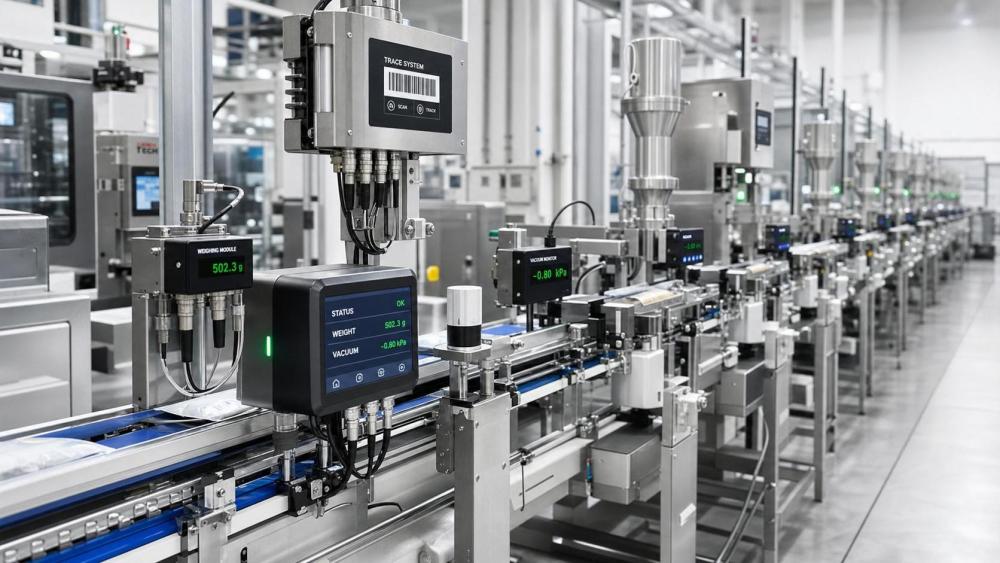
A missed code, unstable weighing result, or incomplete vacuum record can create large downstream costs.
That is why Industrial Auxiliary Technology traceability systems are no longer a nice-to-have.
They support root-cause analysis, recall readiness, audit response, and supplier performance review.
They also connect process-support technologies with actual production outcomes.
From recent market shifts, the clearer signal is this: factories need line-level visibility that still works at plant scale.
Start with Process Scope, Not Software Features
A common buying mistake is starting with dashboards and skipping process mapping.
First define which auxiliary operations must be traced across each production line.
In practical terms, this may include ultrasonic cleaning cycles, laser marking parameters, batch weights, vacuum pressure logs, and coating thickness records.
Different lines often use different suppliers, machine generations, and control logic.
That means Industrial Auxiliary Technology traceability systems must fit process reality before they fit IT preferences.
A useful first checklist includes:
- Which critical process points require permanent records
- Which lines need serial, batch, or lot traceability
- Which data must stay linked to operators, shifts, and suppliers
- Which events require alerts, lockouts, or escalation workflows
- Which records must be retained for audits or export compliance
Check Data Accuracy at the Source
Traceability fails when source data is weak.
So the best evaluation question is not about reporting speed.
It is whether the system captures complete, reliable, time-aligned data from real equipment conditions.
For example, a coding machine may confirm print execution.
But true traceability also needs readable code verification, job version control, and exception logging.
The same applies to weighing and batching systems.
You need evidence of actual measured values, not only target recipes.
When reviewing Industrial Auxiliary Technology traceability systems, verify these data points:
- Automatic capture versus manual entry ratio
- Timestamp precision across devices and lines
- Sensor calibration status and validation method
- Missing data handling and audit trail integrity
- Read-back verification for marks, labels, and batch IDs
If a vendor cannot explain data capture quality clearly, long-term reporting value will likely be limited.
Evaluate Multi-Line Integration and System Compatibility
In multi-line environments, integration usually decides real deployment success.
A strong platform should connect with PLCs, MES, ERP, SCADA, inspection devices, and identification equipment without excessive custom engineering.
This is especially important when production lines differ by product family or regional compliance requirement.
Industrial Auxiliary Technology traceability systems should support standardized data models while still allowing local process variations.
Ask vendors how they manage legacy equipment.
Many factories still run older cleaning machines, vacuum pumps, or coating units that were never designed for modern traceability.
The right solution should offer practical gateways, protocol support, and phased rollout options.
Review Compliance, Security, and Audit Readiness
Traceability is often purchased for quality reasons.
Yet buying decisions are increasingly shaped by compliance and accountability requirements.
That includes export documentation, customer audits, internal CAPA workflows, and product recall preparation.
Industrial Auxiliary Technology traceability systems should create tamper-resistant records with clear user permissions and event history.
This matters even more where batch-sensitive production is involved.
Think food ingredients, pharmaceutical materials, specialty chemicals, electronics, and lithium battery components.
In these sectors, incomplete traceability can become a commercial risk very quickly.
- Confirm role-based access and edit restrictions
- Check audit logs for data change visibility
- Review backup, retention, and recovery procedures
- Verify electronic record support if required
- Assess cybersecurity maintenance and patch policy
Measure Operational Value Beyond the Purchase Price
Price comparisons alone rarely produce the best decision.
A lower-cost system may create higher support costs, weak reporting, or expensive manual workarounds later.
Instead, compare total operational value.
That means looking at downtime reduction, faster investigations, fewer release delays, and better supplier accountability.
The strongest Industrial Auxiliary Technology traceability systems also improve decision speed.
Teams can identify deviations sooner and isolate affected lots with less disruption.
When reviewing proposals, compare vendors on:
- Implementation time across multiple lines
- Training demand for operators and supervisors
- Support response quality and regional service coverage
- Reporting flexibility for plant and corporate users
- Upgrade path for future equipment additions
This approach makes the buying decision more commercial, not just technical.
Use Pilot Testing to Reduce Selection Risk
On paper, many vendors look similar.
The difference becomes obvious during a structured pilot.
A pilot should test one representative line with meaningful complexity.
Choose a line that includes several auxiliary systems and at least one traceability pain point.
For instance, combine coding verification, weighing data capture, and exception reporting in one use case.
Then evaluate whether the Industrial Auxiliary Technology traceability systems deliver actionable records, not just raw data.
Useful pilot metrics include data completeness, response time, operator adoption, and investigation speed.
If the pilot shortens quality review time, that is a strong buying signal.
Questions That Help Shortlist the Right Vendor
Clear vendor questions often reveal more than polished presentations.
- How do you connect mixed-brand auxiliary equipment on older and newer lines?
- How does your system verify data quality before records enter reports?
- What proof shows success in multi-line, high-mix production environments?
- How are exception rules configured without heavy vendor dependence?
- What happens when a sensor, code reader, or network link fails?
- How quickly can the system expand to another plant or export program?
These questions keep the discussion focused on real operating risk and long-term fit.
Final Evaluation Approach for Better Buying Decisions
The best Industrial Auxiliary Technology traceability systems are not simply data platforms.
They are decision tools that connect process evidence with product quality, compliance performance, and operational trust.
For multi-line production, the smartest evaluation starts with process scope, then tests data accuracy, integration depth, compliance strength, and total operational value.
In real purchasing work, that sequence usually leads to better supplier comparisons and fewer surprises after installation.
If a solution can scale across lines, support audits, and make exception handling faster, it is likely worth serious consideration.
Use that framework to build a shortlist, run a focused pilot, and select Industrial Auxiliary Technology traceability systems that stay valuable long after the first deployment.