
On July 10, 2026, the U.S. FDA released the Drug Supply Chain Security Act (DSCSA) Traceability System Addendum v2.1, introducing a new compliance requirement for Traceability Vision Systems used by pharmaceutical companies from January 2027. The change centers on FDA-recognized AI validation modules for checking GS1 DataMatrix code integrity and tamper resistance, and it immediately matters to equipment suppliers, exporters, procurement teams, compliance functions, and delivery planning tied to the pharmaceutical supply chain serving the U.S. market.
A direct shift in system compliance requirements
The confirmed change is that the FDA issued the DSCSA Traceability System Addendum v2.1 on July 10, 2026.
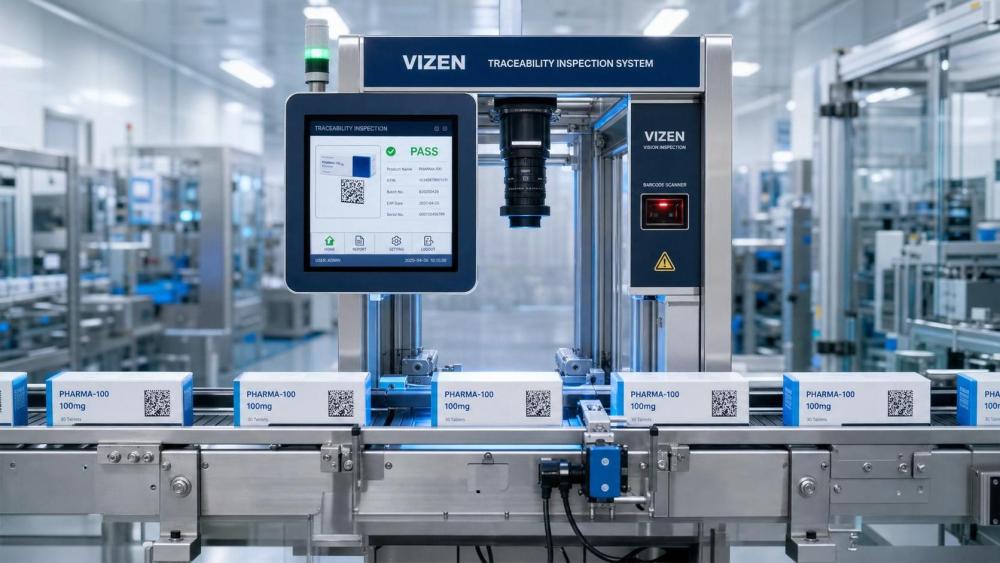
Under the summary provided, from January 2027 all pharmaceutical companies must use Traceability Vision Systems that pass verification through an FDA-recognized AI validation module to confirm GS1 DataMatrix coding integrity and tamper resistance.
The same summary states that Chinese equipment exporters must upgrade optical recognition algorithms and obtain UL 62914-2:2026 certification. Without that certification, they will not be able to enter the U.S. pharmaceutical supply chain.
Where the pressure is likely to appear first
Equipment exports face a narrower entry path
From an industry perspective, exporters of traceability-related equipment are likely to be affected first because market access is now linked not only to hardware capability, but also to AI-based validation and certification status. The practical impact is likely to fall on product specification alignment, export readiness reviews, technical documentation, and delivery acceptance conditions for equipment intended for the U.S. pharmaceutical chain.
Pharmaceutical buyers will need to recheck supplier eligibility
Procurement and supply chain teams at pharmaceutical companies may need to pay closer attention to whether a Traceability Vision System includes the required AI validation capability and whether the relevant certification has been obtained. The change may influence vendor qualification, tender language, technical review points, and acceptance criteria during procurement and deployment.
Compliance and quality functions may see document demands increase
For compliance, quality, and traceability management teams, the rule change points to closer scrutiny of code verification capability and anti-tampering validation. What deserves closer attention is whether internal records, technical files, test-related materials, and supplier declarations are sufficient to support procurement, installation, and later audit or verification needs.
Service and delivery arrangements may also be affected
After-sales support providers and implementation partners may be indirectly affected if algorithm upgrades or certification status alter delivery schedules, installation plans, or system handover conditions. In practice, the pressure point may be less about the physical equipment itself and more about whether the delivered system remains acceptable under the updated rule set.
What companies should review now
Check whether certification status has become a bid prerequisite
Analysis shows that companies serving the U.S. pharmaceutical market should review whether UL 62914-2:2026 has effectively become a mandatory qualification condition in ongoing or upcoming commercial processes. Even where execution details are not yet fully described in the provided information, certification language in procurement documents and technical requirements deserves close monitoring.
Reassess algorithm capability against the new validation requirement
Suppliers of Traceability Vision Systems should focus on whether existing optical recognition algorithms can support the required AI-based validation of GS1 DataMatrix integrity and tamper resistance. This is not yet a conclusion about market outcomes, but it is a clear compliance checkpoint suggested by the update.
Prepare technical and compliance files for customer review
Observably, customer-facing technical materials may need to become more precise. Companies should be ready to organize product specifications, validation-related descriptions, certification materials, and other compliance documents in a form that supports buyer review and project qualification, especially where cross-border supply and regulated end use are involved.
Watch for execution language beyond the headline requirement
The current information confirms the rule direction, but does not provide full operational detail. For that reason, companies should continue watching for official wording, certification interpretation, procurement-side adoption, and any changes in how customers define acceptable system configurations, verification steps, and delivery conditions.
Why this reads as an execution signal, not just a policy headline
As an editorial observation, this development is better understood as a compliance execution signal tied to supply chain access rather than as a general policy statement. The reason is that the update connects a technical system requirement with a defined implementation timeline and a market-entry consequence for exporters.
At the same time, it would be premature to treat every commercial impact as already settled. Analysis shows that the market still needs to observe how certification expectations, customer procurement language, and implementation practice develop around the stated requirement.
How this update should be understood at this stage
At this stage, the event is most reasonably read as a confirmed tightening of compliance expectations for traceability-related vision systems used in the pharmaceutical supply chain linked to the U.S. market. For equipment exporters and pharmaceutical buyers, the immediate issue is not abstract policy direction but whether product capability, certification status, and supporting documents can still support qualification and delivery after January 2027.
What deserves closer attention is the transition from rule announcement to project-level enforcement. That is where procurement decisions, supplier access, and implementation timing are likely to become more visible.
Basis of this article and what still needs verification
This article is based on the user-provided news title, event date, and event summary. For developments of this type, relevant source categories typically include official regulatory releases, notices from supervisory authorities, trade or customs information, industry association updates, standard-setting documents, and reporting from authoritative media.
No specific official source link was provided in the input, so the exact source link still requires further verification. Observably, the items that still need continued checking include detailed implementation language, certification enforcement interpretation, changes in tender or procurement documents, market feedback, and how affected companies carry out compliance adjustments in practice.