
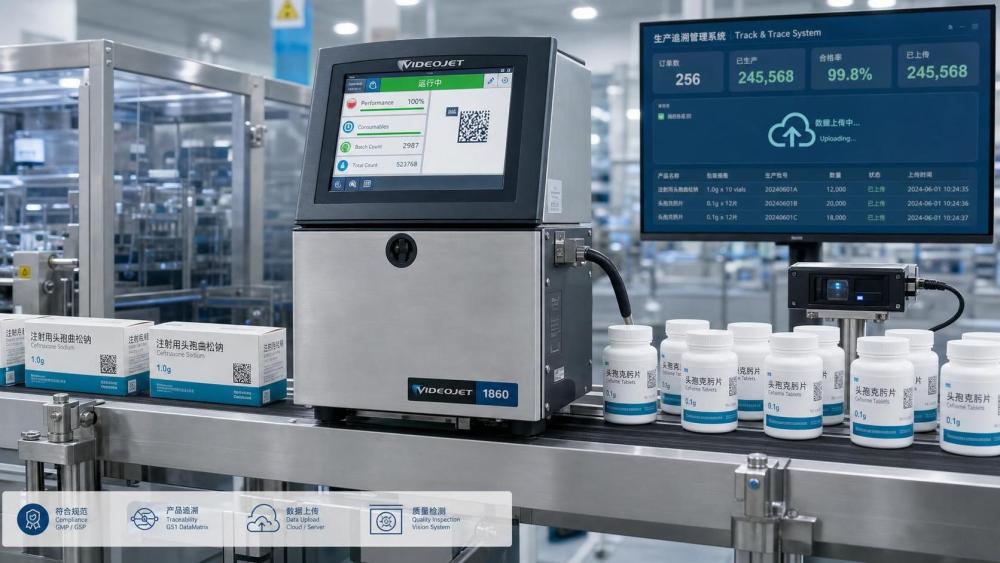
On July 9, 2026, the U.S. FDA updated its guidance on continuous inkjet printers used in pharmaceutical packaging traceability, introducing a compliance change that deserves close attention from CIJ equipment exporters, importers, and teams responsible for packaging data systems. The update ties pharmaceutical packaging applications to GS1 DataMatrix dual-mode coding and real-time audit log uploads to the FDA UDI system from December 1, 2026, which makes this more than a routine document revision for companies involved in device software, firmware validation, and cross-border equipment delivery.
What the FDA changed on July 9
The confirmed facts are limited but clear. On July 9, 2026, the FDA updated the document titled Continuous Inkjet Printers in Pharmaceutical Packaging Traceability Compliance Guidance to version 3.2. Under the updated requirement, CIJ equipment used for pharmaceutical packaging materials must support GS1 DataMatrix dual-mode coding starting December 1, 2026. The same update also requires real-time audit log uploads to the FDA UDI system.
The provided information further states that the new rule affects software architecture and data interface development timelines for Chinese CIJ exporters. It also states that importers must verify whether equipment firmware versions meet v4.8.1 or above.
Where the operational pressure is likely to appear
Export-facing CIJ manufacturers may face software and interface adjustments
From an industry perspective, manufacturers exporting CIJ equipment to the U.S. pharmaceutical packaging market are likely to be affected first because the confirmed requirements touch coding capability and data transmission. The main pressure point is not only printer output, but also the software architecture and interface work needed to support the required coding format and audit-log handling.
Importers will need to tighten firmware verification
Importers are directly named in the provided information through the firmware threshold of v4.8.1 and above. That means their immediate concern is equipment verification before sale, deployment, or acceptance. In practice, what deserves closer attention is whether firmware checks are handled early enough to avoid delays in qualification, delivery, or customer-side validation.
Packaging compliance and traceability teams may see workflow changes
Teams responsible for pharmaceutical packaging traceability are also relevant because the update combines coding format requirements with real-time audit-log uploads to the FDA UDI system. Analysis shows this can affect how traceability records are prepared, checked, and aligned across equipment operation and data reporting, even where the physical printing process itself is unchanged.
What companies should review now
Confirm the gap between current equipment capability and the new requirement
Companies should first review whether existing CIJ devices used for pharmaceutical packaging materials already support GS1 DataMatrix dual-mode coding and whether current system configurations can meet the new requirement by the December 1, 2026 deadline.
Check firmware status against the stated version threshold
The provided information specifically points to firmware compliance at v4.8.1 or above. For importers and suppliers, this makes firmware inventory, version records, and device-specific verification a practical priority rather than a secondary documentation task.
Review data interface readiness for audit-log uploads
Because the update includes real-time audit log uploads to the FDA UDI system, companies should examine whether their current interfaces, internal data flows, and delivery schedules can support that requirement. Analysis shows this is especially relevant for exporters whose development timelines may be affected by software and interface work rather than hardware alone.
Separate confirmed rule text from implementation assumptions
What deserves closer attention is the difference between the confirmed requirement and any broader interpretation of how it will be implemented in customer projects. Companies should keep customer communication, supplier commitments, and delivery planning tied to confirmed facts, while continuing to monitor whether any further official clarification changes the practical compliance path.
How this should be interpreted at this stage
Observably, this update already signals a concrete compliance direction rather than a distant policy theme, because it includes a specified effective date and explicit technical elements: GS1 DataMatrix dual-mode coding, real-time audit log uploads, and a firmware verification threshold. At the same time, it is more appropriate to understand this as both an immediate execution issue and a longer-term traceability signal. The immediate issue is implementation readiness before December 1, 2026. The longer-term signal is that software integration, logging capability, and regulatory data connectivity are becoming harder to separate from printing equipment compliance itself.
Why the update matters now
The industry significance of this guidance update lies less in headline value and more in where it shifts compliance work. Based on the provided information, attention is moving from equipment function alone toward the combination of coding, firmware status, and live traceability data handling. It is more appropriate to understand this development as a near-term compliance change with broader implications for future product architecture and importer due diligence, while still leaving room for continued observation of how implementation details are clarified.
Basis of this article
This article is based on the user-provided news title, event date, and event summary concerning the FDA's version 3.2 update to its guidance on continuous inkjet printers in pharmaceutical packaging traceability compliance. For this type of industry development, commonly relevant source categories may include official agency notices, company statements, industry association updates, authoritative media reporting, and standards-related documents. A specific official source link was not provided in the input, so the underlying document text and any later clarification should continue to be verified. Continued attention should focus on any follow-up official wording, implementation interpretation, and compliance execution details tied to the December 1, 2026 requirement.