
Batch Number Coding Systems Price: What Drives Cost and Which Option Fits Your Line?
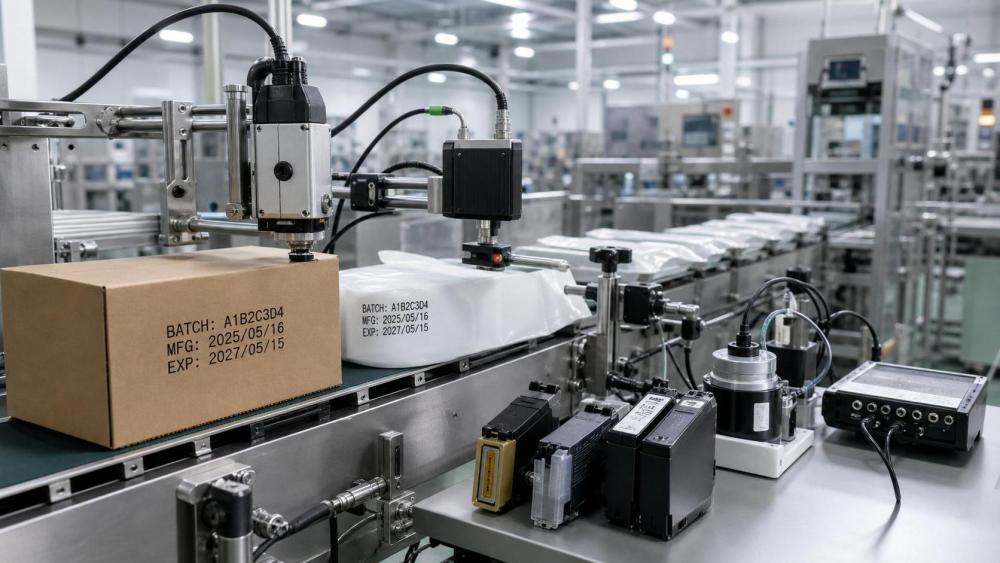
Batch number coding systems price can look simple at first glance. The machine has a quoted cost, and the purchase appears easy to compare.
In practice, the bigger question is total cost over time. That includes consumables, downtime, maintenance, print quality risk, and compliance exposure.
This matters because coding is not just a marking step. It protects traceability, supports recalls, and helps prevent packaging errors from turning into financial loss.
From a budget approval view, the best choice is rarely the lowest quote. The better decision is the system that keeps cost predictable and output stable.
That is why batch number coding systems price should be reviewed as a full cost structure, not a one-time capital figure.
Why batch number coding systems price varies so much
The first cost driver is technology type. CIJ, TIJ, laser, thermal transfer, and valve jet systems all behave differently in daily production.
A low-entry printer may look attractive. Still, frequent cartridge changes or unstable print quality can raise the real batch number coding systems price fast.
Line speed also changes cost. Faster lines need better print consistency, stronger software control, and more reliable triggering.
Substrate matters just as much. Coding on cartons, films, glass, metal, and coated plastics requires different inks, curing behavior, or marking methods.
Environmental conditions push price higher too. Dust, washdown zones, humidity, and temperature swings often demand industrial-grade hardware and enclosure upgrades.
Then there is integration. A stand-alone coder costs less than a system connected to vision inspection, ERP, MES, or serialized traceability software.
More obvious cost differences usually come from these factors:
- Print resolution and readability standards
- Number of print heads or coding positions
- Shift pattern and daily runtime
- Operator skill level and training needs
- Country-specific compliance and validation requirements
So when suppliers present different quotes, they may not be pricing the same risk level. That is where many approvals go wrong.
The main cost buckets behind batch number coding systems price
A useful review starts by separating capital cost from operating cost. That keeps the discussion grounded and easier to compare across technologies.
1. Equipment purchase
This includes the printer, controller, mounting hardware, sensors, and basic software. Some suppliers bundle accessories, while others quote them separately.
2. Installation and integration
Factory acceptance, line installation, validation, and communication setup can add meaningful cost. This is common in regulated or multi-line environments.
3. Consumables
Inks, solvents, ribbons, and cartridges often decide long-term batch number coding systems price more than the original purchase value.
4. Maintenance and spare parts
Filters, pumps, nozzles, printhead cleaning, and replacement parts should be budgeted early. Cheap hardware with frequent service intervals often loses its advantage.
5. Downtime and quality loss
This is the hidden cost bucket. Misprints, unreadable codes, and stoppages create rework, scrap, delayed shipments, and recall risk.
6. Compliance support
Some industries need audit trails, user permissions, validation documents, and code verification. Those features raise price but may reduce legal exposure.
Which coding option usually fits which production line
There is no universal winner. The right answer depends on substrate, speed, code content, and expected operating discipline.
For slower carton lines, TIJ often keeps batch number coding systems price manageable. The hardware is compact, and operator learning curves are usually lighter.
For harsh, high-speed production, CIJ often remains the practical choice. It costs more to run, but it handles demanding throughput reliably.
For long-term cost control, laser can shift the equation. Higher capital spending may be offset by lower consumable use and stronger code permanence.
The key is matching the technology to the line’s real behavior, not its ideal operating condition.
How to compare batch number coding systems price beyond the quote
A strong comparison model uses annualized cost. That means spreading capital expense across expected service life, then adding true operating cost.
In real purchasing cycles, five numbers usually reveal the best option faster than a long brochure review.
- Cost per 1,000 prints or units coded
- Expected annual consumables expense
- Planned maintenance hours per year
- Estimated downtime cost per incident
- Useful life before major replacement
This approach makes batch number coding systems price easier to defend internally. It also reduces the risk of approving a low quote with poor operating economics.
Another useful check is supplier support. Lead time for parts, local service reach, and response speed matter when uptime is tied to shipment schedules.
It is also smart to ask for sample coding results on actual packaging. Lab samples often look better than real production output.
Common approval mistakes that raise cost later
One common mistake is treating all code content as equal. A simple date code costs less to manage than variable batch, shift, and traceability data.
Another mistake is ignoring changeover frequency. Lines with many SKUs need faster job selection and better error prevention.
Some approvals also overlook cleaning and washdown exposure. A standard enclosure may fail early in wet or chemical-heavy production zones.
More importantly, teams sometimes accept vague consumables estimates. That makes batch number coding systems price look lower during approval than it will be later.
Recent buying patterns show a clearer shift toward predictable service models. Buyers increasingly value cost visibility over the lowest machine sticker price.
A practical framework for choosing the right system
A simple decision framework can make batch number coding systems price much easier to evaluate across suppliers.
- Define substrate, line speed, and code format first
- Estimate yearly running hours and output volume
- Model consumables cost using real production assumptions
- Add maintenance, spare parts, and service contract cost
- Score compliance, readability, and traceability risk
- Compare total three-year or five-year ownership cost
For many operations, the best answer is the system with the lowest disruption risk. Predictable coding performance often protects margins better than a lower purchase price.
That also explains why batch number coding systems price should always be discussed together with uptime, print verification, and supplier responsiveness.
A disciplined review usually leads to a clearer result. Short-run carton lines may favor TIJ, flexible packaging may favor TTO, and high-volume durable coding may justify laser.
The most reliable approval path is straightforward. Ask for total ownership data, validate samples on your line, and compare systems by real operating cost.
When batch number coding systems price is examined this way, the final decision becomes less about a quote and more about line fit, cost stability, and long-term control.