
Where lean process optimization starts in batch environments
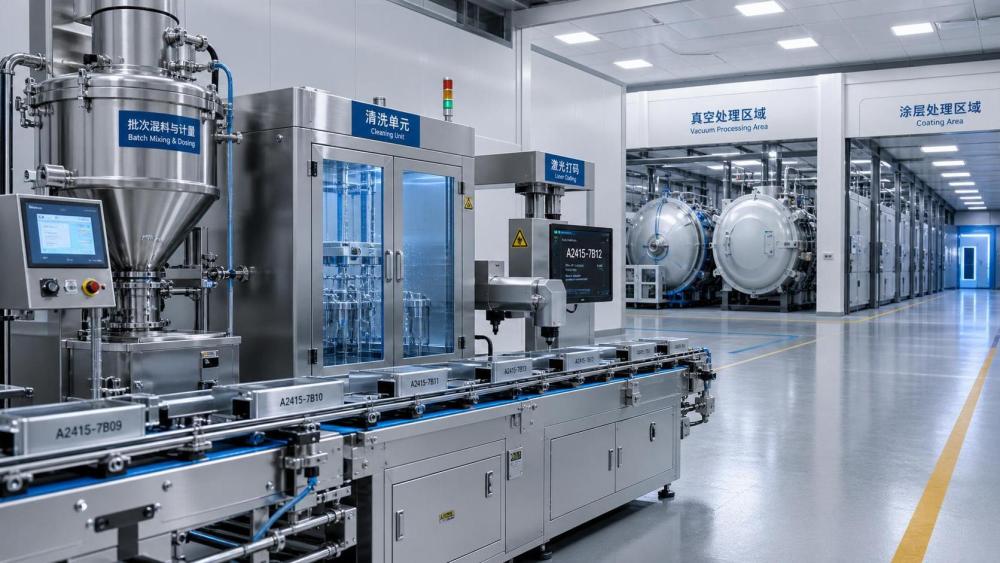
Batch manufacturing rarely loses value through one dramatic failure. Losses usually build through small interruptions, hidden variation, and support processes that drift unnoticed.
That is why lean process optimization matters beyond labor balancing or floor layout. In many plants, the real constraint sits inside cleaning, dosing, marking, vacuum stability, or coating consistency.
A line may look productive while yield quietly falls. Changeovers take longer than planned. Batches wait for confirmation. Rework grows because process control is treated as a secondary utility.
In practice, lean process optimization becomes more effective when auxiliary systems are reviewed together with core production steps. That is especially true in sectors with strict traceability, recipe accuracy, and surface quality expectations.
Across industrial sectors, this is also where GIAS-style process intelligence is useful. It helps connect microscopic control points with broader outcomes such as compliance, consistency, export readiness, and long-term manufacturing reliability.
Different batch scenarios hide waste for different reasons
Not every batch process fails in the same way. A food mixing line, a lithium material line, and a coated metal parts line can all suffer waste, but the trigger points are different.
The more useful approach is to ask where control must stay tight between batches. That usually reveals whether lean process optimization should focus on material accuracy, contamination risk, identification, or environmental stability.
Short runs with frequent product changes often lose time during setup and verification. High-value parts, by contrast, lose money through minor defects that only appear after downstream testing or customer use.
This difference matters. One site may need faster wash validation and marking setup. Another may need better vacuum control or more stable coating parameters to avoid hidden scrap.
A quick comparison of decision priorities
When recipe accuracy drives the whole improvement effort
In formula-based production, lean process optimization often begins with weighing and batching. Small deviations may stay invisible during mixing yet appear later as instability, rejection, or inconsistent shelf life.
This is common in food, specialty chemicals, pharmaceuticals, and battery materials. The waste is not only material loss. It also includes delayed release, repeated sampling, and longer investigation cycles.
A practical review should separate three questions. Are ingredients delivered consistently? Does the batching system hold accuracy under speed pressure? Can operators recover quickly after a changeover without creating undocumented variation?
Lean process optimization here usually benefits from tighter dosing feedback, clear tolerance logic, and digital recipe control. The goal is not only precision on paper, but repeatable precision under real production conditions.
In high-cleanliness batches, rework often starts before assembly
Some of the most expensive waste appears before the product even looks finished. Precision parts may pass machining, then fail because microscopic residue remains on surfaces.
That is why lean process optimization in electronics, medical components, optics, and fine mechanical assemblies often reaches upstream into ultrasonic cleaning and fluid control.
The key judgment is not whether cleaning exists, but whether cleaning quality remains stable across different loads, geometries, and soil types. A bath that works well on one batch may underperform on another.
More reliable improvement comes from monitoring contamination carryover, basket density, cycle discipline, and rinse quality. When those factors are managed, lean process optimization removes repeat washing and inspection bottlenecks.
Traceability-focused operations need more than a readable code
In many batch environments, identification problems are treated as an administrative issue. In reality, poor marking control can trigger quarantine, relabeling, export delays, or weak anti-counterfeiting protection.
Lean process optimization in this case should examine where product identity is created, verified, and linked to process records. Laser marking and inkjet coding become operational controls, not cosmetic additions.
A common mistake is to evaluate code equipment only by print speed. More important questions involve substrate compatibility, permanence, cleaning resistance, scanner readability, and data integration across batches.
Where traceability demands are rising, a stable coding strategy reduces manual checks and exception handling. That makes lean process optimization measurable through fewer holds, clearer genealogy, and faster root-cause isolation.
Vacuum and coating systems often shape yield from the background
Some support systems are overlooked because they are not the visible production step. Yet vacuum performance and surface finishing quality often determine whether a batch meets final specification.
In drying, degassing, semiconductor support processes, and advanced packaging, unstable vacuum can extend cycle time or create subtle product variation. The waste appears as waiting, incomplete processing, or unpredictable quality drift.
For coated parts, the pattern is similar. Surface treatment, electrostatic coating behavior, humidity, and curing discipline influence corrosion resistance, appearance, and environmental compliance.
Lean process optimization works better here when utility performance is trended like a core process variable. Once vacuum loss, pump condition, powder behavior, or pretreatment quality are visible, hidden waste becomes easier to remove.
Where lean process optimization is often misjudged
The first misjudgment is treating similar products as identical process loads. Batch manufacturing rarely behaves that neatly, especially when viscosity, surface geometry, or contamination type changes.
Another frequent error is focusing on purchase price while ignoring validation time, maintenance intervals, spare part access, and process data visibility. Cheap equipment can create expensive uncertainty.
There is also a tendency to optimize only the main machine. In reality, lean process optimization often succeeds or fails through auxiliary discipline, because support systems hold the conditions that make repeatability possible.
- Do not assess changeover time without checking cleaning, line clearance, and parameter recall.
- Do not accept traceability claims without testing readability after handling, washing, or coating.
- Do not judge batching accuracy only at startup speed; test it during sustained production pressure.
- Do not separate coating quality from pretreatment, grounding, and environmental conditions.
A practical way to match improvements with the real operating scene
Useful lean process optimization does not begin with a generic efficiency target. It begins with a map of where batches stop, wait, drift, or return for correction.
The next step is to classify whether each loss is caused by material control, cleaning precision, identification integrity, vacuum stability, or finishing performance. That prevents broad fixes with weak results.
Application-based resources from platforms such as GIAS are valuable here because they compare technologies in the context of process behavior, compliance expectations, and implementation limits rather than isolated specifications.
A disciplined review should document actual batch variation, maintenance burden, parameter sensitivity, and downstream consequences. That creates a stronger basis for equipment selection, process adjustment, and long-term control.
The most reliable next move is simple: define the real operating scenario, compare hidden loss points across support systems, and confirm which control variables truly protect yield. That is where lean process optimization becomes durable.