
Why Bottlenecks Grow Fast in Batch Production
In batch production, delays rarely start at the main machine.
They usually begin in support steps that seem small at first.
A slow weighing cycle, missed cleaning parameter, or unstable vacuum level can hold up the entire batch.
That is where industrial process support systems automation starts to matter.
Instead of treating auxiliary equipment as isolated tools, automation connects them into one controlled workflow.
This helps reduce waiting time, manual intervention, and batch-to-batch variation.
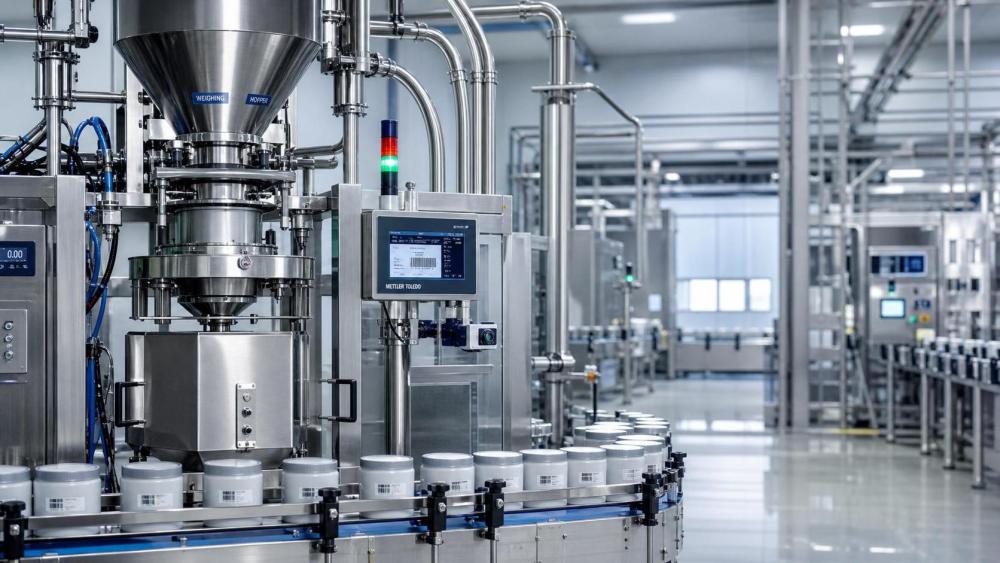
In practical terms, industrial process support systems automation improves timing between cleaning, coding, batching, coating, and inspection.
It also creates better visibility for operators and project teams.
When one support process drifts, the system can respond before the issue spreads downstream.
That means fewer hidden stoppages and more predictable production windows.
For operations with short runs, changeovers, or strict traceability, this becomes even more valuable.
Where Bottlenecks Usually Appear
Most batch bottlenecks are not dramatic failures.
They are repeated micro-delays that stack up over a shift.
Industrial process support systems automation is effective because it targets these recurring losses.
- Weighing and batching delays from manual recipe entry or ingredient verification.
- Cleaning variation caused by inconsistent cycle times, temperature, or contamination load.
- Coding and marking stoppages linked to data mismatch or late job setup.
- Vacuum instability that interrupts drying, coating, degassing, or packaging steps.
- Surface treatment gaps that force rework, retesting, or extra curing time.
These issues are common across food, chemicals, electronics, medical products, and battery manufacturing.
The pattern is simple.
When support systems work without shared logic, each team reacts locally.
When industrial process support systems automation is added, those steps begin to work as one coordinated sequence.
How Automation Reduces Waiting Between Process Steps
One major source of waste is waiting for confirmation.
A batch cannot move forward until the previous support step is approved.
Industrial process support systems automation cuts that waiting by linking equipment status, process parameters, and release logic.
Typical Improvements
- Recipes load automatically based on batch ID.
- Cleaning systems confirm cycle completion in real time.
- Laser marking and coding systems pull correct traceability data automatically.
- Vacuum systems adjust setpoints through predefined process windows.
- Surface treatment equipment flags deviation before parts reach final assembly.
This reduces the stop-and-check rhythm that slows many batch lines.
It also shortens handoff time between departments.
In real operations, that often matters more than peak machine speed.
Why Quality Becomes More Stable
Bottlenecks are often a quality problem in disguise.
A batch stops because something must be checked, corrected, or repeated.
Industrial process support systems automation reduces this by holding tighter control over critical variables.
For example, ultrasonic cleaning systems can maintain repeatable time, frequency, and temperature windows.
Automated batching systems can prevent off-spec ingredient loading before mixing starts.
Vacuum process automation can detect pressure drift before product quality is affected.
Coding automation can block incorrect lot information from reaching finished goods.
This matters because stable support processes reduce rework loops.
And fewer rework loops mean fewer schedule disruptions.
That is a direct reason industrial process support systems automation improves throughput.
The Role of Data, Traceability, and Faster Decisions
Another bottleneck appears when teams lack clear process data.
Without it, every issue becomes a manual investigation.
Industrial process support systems automation improves decision speed by making auxiliary process data easier to capture and use.
Useful Data Points
- Actual versus target batch weights.
- Cleaning cycle completion and bath condition history.
- Marking records tied to product serial numbers.
- Vacuum pressure trends across each processing stage.
- Coating or treatment parameters linked to final inspection results.
With stronger traceability, teams do not need to guess where the delay began.
They can isolate the cause faster and protect the rest of the schedule.
This is especially important in regulated sectors where release decisions depend on complete records.
What to Evaluate Before Implementing Automation
Not every delay justifies full redesign.
The best results come from targeting the most disruptive support constraints first.
Before expanding industrial process support systems automation, review four practical questions.
- Which support step causes the most repeated waiting time?
- Where does manual data entry create avoidable errors?
- Which quality deviation most often triggers rework or hold status?
- What process data is missing during root cause review?
These questions help keep investment focused on bottleneck reduction, not just technology upgrades.
In many plants, the first wins come from integrating existing auxiliary equipment rather than replacing it.
A Practical Rollout Approach for Batch Operations
A phased rollout usually works better than a big reset.
Industrial process support systems automation delivers faster value when teams start with one bottleneck cluster.
This approach lowers disruption during implementation.
It also helps prove value with measurable operational gains.
How GIAS Helps Support Better Automation Decisions
Choosing the right automation path depends on process knowledge, not hype.
That is why clear information on auxiliary technologies matters.
GIAS focuses on the systems that often decide whether a batch line runs smoothly or stalls under pressure.
Its coverage of cleaning, welding, coding, weighing, vacuum, surface treatment, and electrostatic coating supports more informed planning.
For teams reviewing industrial process support systems automation, that kind of focused intelligence is useful.
It helps compare technologies, understand compliance demands, and assess supplier capability with less guesswork.
More importantly, it keeps attention on real production outcomes.
That means cleaner parts, better traceability, tighter batching accuracy, more stable vacuum performance, and stronger coating consistency.
Final Takeaway
Batch production becomes vulnerable when support processes operate in isolation.
Industrial process support systems automation solves that by connecting critical auxiliary steps to timing, quality, and traceability goals.
The result is not only less downtime.
It is also better flow, more stable output, and fewer surprises during production.
If bottlenecks continue to appear around weighing, cleaning, coding, vacuum control, or surface treatment, start there.
A focused industrial process support systems automation strategy can remove friction where it hurts most.
And in batch manufacturing, that often makes the biggest difference to throughput, consistency, and delivery confidence.